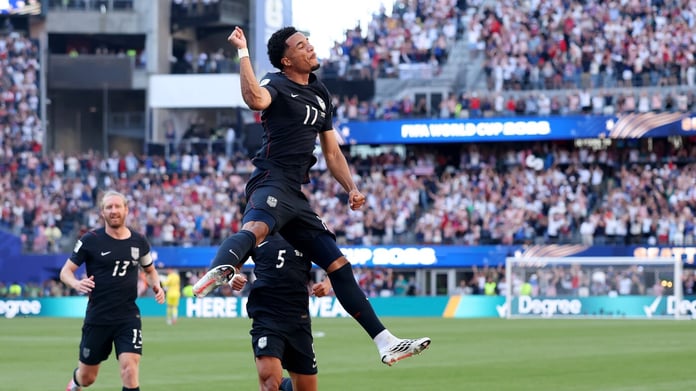

KANSAS CITY – Denzel Dumfries had touched the ball exactly once before the crowd at GEHA Field at Arrowhead Stadium had even settled. His first real contribution was a low, hard cross into the box that Ellyes Skhiri did not so much redirect as deflect into his own net. Three minutes into the tournament’s penultimate group stage day, Tunisia were a goal down. Four minutes later, Brian Brobbey made it two. That was the World Cup, over, for an African team that arrived here with legitimate aspirations and left without a point.
What made the opening burst lethal was not just the speed but the ease. Dumfries exploited the right channel almost immediately, and Skhiri’s body position while attempting a difficult recovery angle did the rest. Then Brobbey, collecting his third goal of these finals, drove into the penalty area and finished with the composure that has defined his tournament. The Netherlands had two goals before most supporters had processed the opening minutes, and the shape of the ninety that followed was already fixed.
The practical consequence of finishing first in Group F stretches well beyond this particular match. Topping the group means the Netherlands face Morocco in Monterrey on June 29. Finishing second would have placed them in the path of Brazil. Ronald Koeman knew that equation going into Friday’s game, and his team produced the kind of result that changes knockout tournament calculus. By the time the Japan-Sweden simultaneous kickoff concluded as a 1-1 draw, the Dutch had already rendered the arithmetic irrelevant.
Tunisia were not entirely passive. Hazem Mastouri, appearing on his World Cup debut, pulled one back early in the second half and gave the substantial Tunisian support inside the stadium a moment of noise. But the Netherlands have absorbed worse over the course of these group stages, and Jan Paul van Hecke’s header shortly after the hour mark sealed the result and rendered Mastouri’s contribution a footnote. Tunisia left Kansas City having conceded ten goals across their three games and scored two, a ratio that tells the story of a side that competed without ever finding the defensive discipline a knockout round requires.
The Brobbey dimension of this Netherlands team warrants close attention heading into the round of 32. His third goal here is not just a counting statistic; it reflects a striker who has found a rhythm that opponents have not solved. He is a presence in the box that central defenders must account for every time the Dutch build through either flank. When Japan matched the Netherlands blow-for-blow in Dallas two weeks ago, the draw exposed a vulnerability in transition that Brobbey’s physicality inside the area compensates for without eliminating entirely. Against Morocco, who press aggressively and look to transition quickly through their wingers, that exchange rate will come under genuine scrutiny.
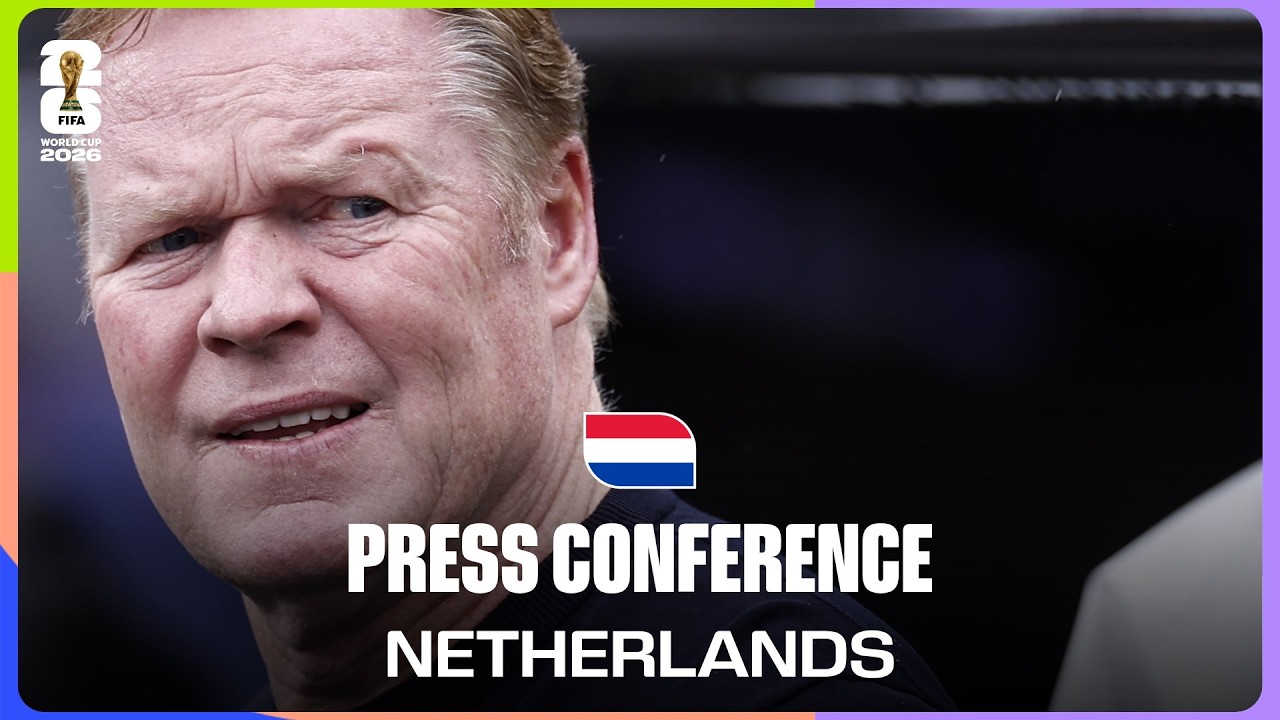
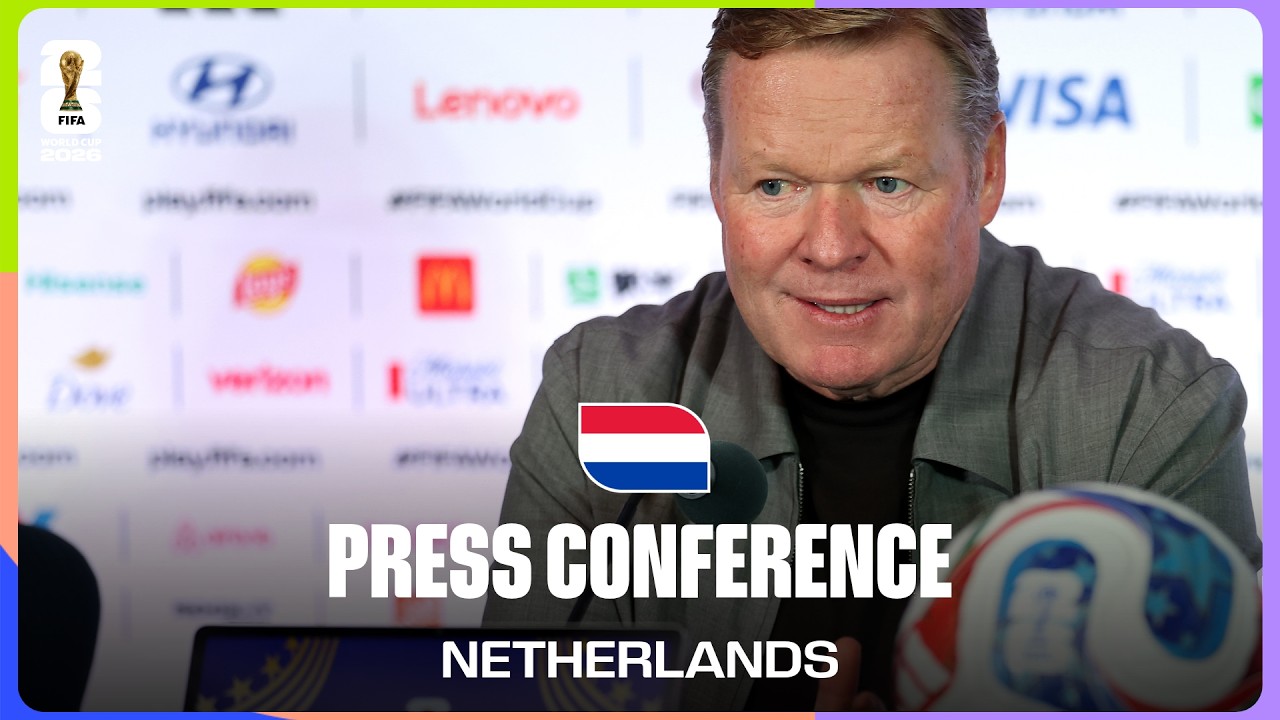
Koeman was expansive after the final whistle, crediting the atmosphere and the thousands of Dutch supporters who painted sections of Arrowhead Stadium orange. “That gives you a fantastic feeling,” he said, “when you enter the stadium and see all that.” On Morocco, his language was conspicuously restrained. The National reported the Dutch coach acknowledged his side would enter Monterrey as underdogs, describing Morocco as “a good team with a lot of quality” capable of scoring easily. Whether that framing reflects genuine tactical concern or is the standard deflection of a winning manager managing expectations, it is not the language of a coach who believes the hard work is done.
Tunisia’s exit was foreshadowed as early as their opening group game. The Carthage Eagles arrived in the United States as 2023 Africa Cup of Nations runners-up, having qualified convincingly from the African qualifying rounds. The expectation was at minimum a fight for a Round of 32 berth. Instead they lost their opener, struggled to impose themselves in their second outing, and were undone by their own defender in the third. Skhiri, who had been one of their more reliable performers throughout the group stage, was the unwitting author of the goal that started the collapse. It was that kind of World Cup.
What Koeman has secured is a knockout path that, by the standards of the bracket, represents favorable geometry. Morocco are formidable and they have a record with European opponents in knockout rounds. They were the first African nation to reach a World Cup semi-final, doing so in Qatar in 2022 by eliminating Spain and Portugal. Al Jazeera reported the Dutch finished with seven points from three games, pipping Japan to the top spot. Cape Verde’s historic advance to the round of 32 earlier today is further evidence that Africa’s contingent in this tournament has not come simply to fill the bracket.
The question that Friday’s demolition of Tunisia could not answer is the one that Monterrey will have to settle. Can this Netherlands side stay compact against pace on the counter? Their left flank has carried occasional uncertainty when opponents move quickly through it; Morocco’s wingers move precisely that way. Koeman has a team that has not trailed in the second half of any group game, a striker in form, and a defensive structure that looked authoritative for long stretches here. None of that tells you whether the back line has the positioning speed to contain the Atlas Lions on the break. That is not yet known. It will be, come Monday night.
Related Posts