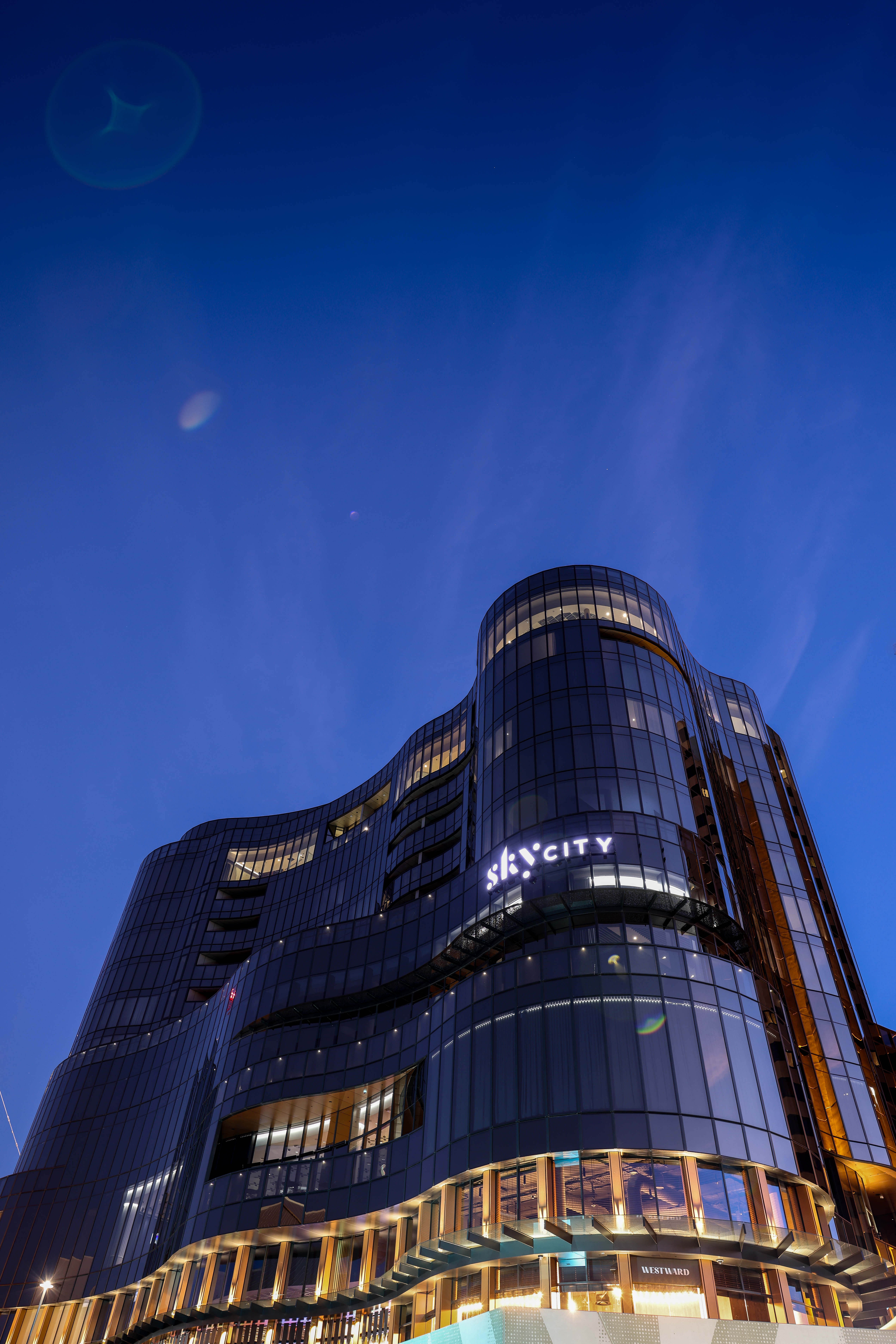

ADELAIDE – When South Australia’s gambling regulator announced last Thursday that it had reached an in-principle settlement with SkyCity Adelaide, agreeing to a AU$21 million fine, the company’s shares on the Australian Securities Exchange rose 14.63 percent. That reaction was not confusion. It was relief.
The settlement, signed June 19 by SkyCity Adelaide Pty Limited and its New Zealand-based parent SkyCity Entertainment Group with the South Australian Liquor and Gambling Commissioner, closes a regulatory saga that began accumulating in 2016 – the year a retired Supreme Court judge would later identify as the start of the casino’s most serious anti-money laundering failures. What the market priced on settlement day was not the size of the fine. It was the certainty of knowing the number.
The case against SkyCity Adelaide had been building since August 2025, when retired Supreme Court judge Brian Martin AO KC released his government-commissioned investigation. His conclusions were categorical. AML and counter-terrorism financing compliance at the casino had been “seriously inadequate” from 2016 to 2022, according to the South Australian Attorney-General’s Department. Martin found that the board itself had engaged in “a complete failure to exercise its powers and functions as a Board of an incorporated entity” before November 2021. Cash moved through the casino without adequate source-of-funds checks. Junket operators – high-roller travel programs implicated in money-laundering operations across Asian casino markets for decades – continued to run at SkyCity Adelaide despite repeated internal warnings.
The Martin Report was not the first time SkyCity Adelaide faced formal findings on AML. The Australian Transaction Reports and Analysis Centre, the federal financial intelligence body, had already secured a AU$67 million civil penalty against the casino group in separate federal court proceedings – the largest AML judgment in Australian gambling history at the time. AUSTRAC characterised the conduct as a pattern of “serious and systemic non-compliance” with Australia’s AML and counter-terrorism financing laws. The state settlement reached last week sits on top of that federal penalty, smaller in dollar terms but broader in what it demands of the company going forward.
Under the heads of agreement, the AU$21 million fine – equivalent to roughly US$14.7 million at current exchange rates – is payable in three equal instalments of AU$7 million. The first payment falls due within 28 days of a final legally binding deed. The second comes a year later; the third a year after that. The structure matters. SkyCity Entertainment Group’s balance sheet is still absorbing the AUSTRAC judgment and several years of reduced casino revenue from tightened voluntary compliance controls. A lump-sum penalty would have forced asset sales or an equity raise. The instalment structure allows the parent to service the fine from operating cash flow without triggering a capital event.
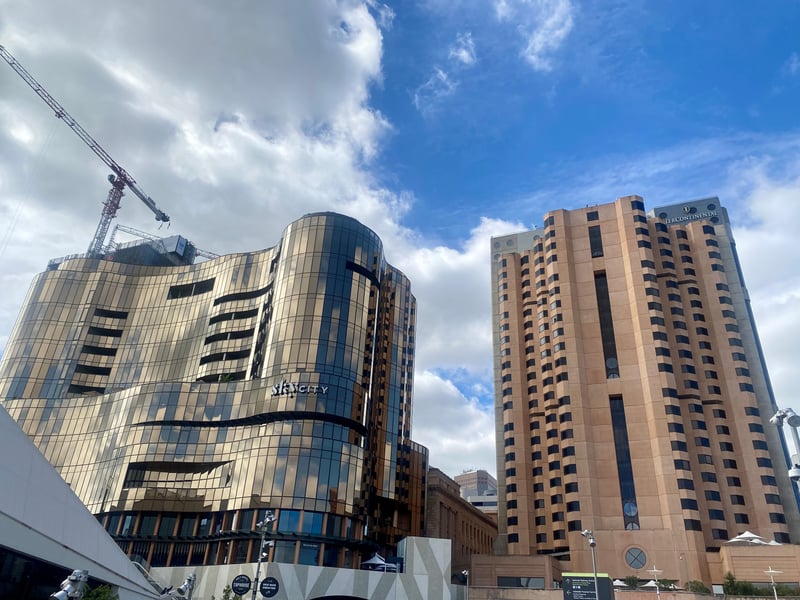
The financial penalty, though, is the less consequential half of what SkyCity Adelaide agreed to. The governance requirements extend further and outlast the fine. By January 1, 2028, the casino must install a board with a majority of independent non-executive directors. Its chief executive will be required to report to the local Adelaide board alone – not to SkyCity Entertainment Group in Auckland – unless the South Australian commissioner explicitly approves the delegation. SkyCity Entertainment Group confirmed in its June 19 investor announcement that an independent compliance auditor will report annually once the casino completes its B3 compliance transformation program, which the regulator will oversee. Cash transactions above AU$4,999 will be phased out permanently. The ban on junket operations, which the company had already implemented voluntarily, is now a legally binding condition of the licence.
The settlement arrives as a broader wave of casino and gambling accountability enforcement has moved from policy documents into active regulatory action across three continents. State regulators in Indiana and Iowa are enforcing simultaneous bans on sweepstakes casino operators as of July 1, citing concerns about cash redemption pathways operating outside the licensed gambling framework. At the federal level in the United States, the CFTC is fighting over prediction markets in a dispute that turns on whether financial instruments tracking event outcomes fall under commodities law or state gambling prohibitions. SkyCity Adelaide fit the same pattern: an industry that moved faster than its compliance infrastructure, followed by a regulator with formal findings and structural mandates.
The 14.63 percent share rally on settlement day tells a specific story about what the market had feared. Analysts covering SkyCity had estimated potential penalties of AU$50 million to AU$100 million before Martin’s report was finalised, and some had modelled a licence suspension scenario. The final figure, AU$21 million spread over three years, came in at less than half the lower bound of those estimates. AustralianSuper, the largest institutional holder at the time, had reduced its stake from 10.29 percent to 8.32 percent in the days surrounding the announcement – a position change consistent with taking liquidity into the rally rather than holding through the governance transition ahead.
What the settlement does not answer is whether the governance requirements will change the compliance culture that allowed AML failures to persist for six years. Martin’s report was explicit: the problem was not a rogue employee or a single process breakdown. It was a board that treated compliance obligations as a management problem rather than a directorial responsibility. SkyCity Adelaide will have a new board structure, a new CEO accountable to local directors, and an external auditor reporting directly to the regulator. Whether those structural changes produce a different culture is the question the compliance auditor will begin testing sometime after 2028.