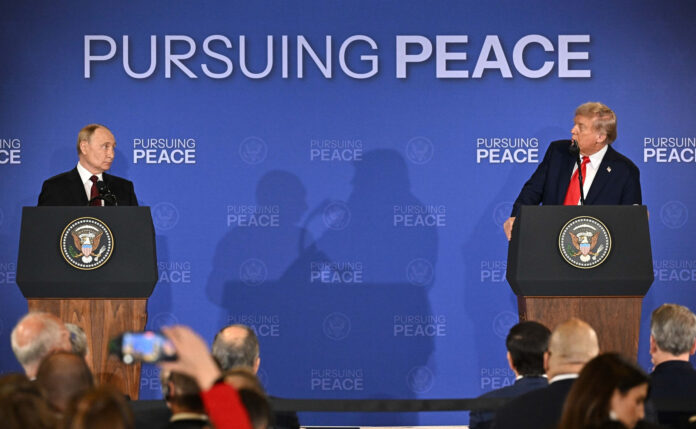

WASHINGTON – The Canadian wine, hockey stick, and cement industries now have 30 days to calculate what 50% American duties mean for their US businesses. On Monday, Donald Trump signed an executive order imposing those duties on a broad range of Canadian goods, invoking Section 338 of the Tariff Act of 1930 – a legal authority that has never been applied at this scale in the modern trade era, and one whose courtroom durability is entirely untested.
The order applies to hundreds of Canadian goods and, in a departure from every prior Trump tariff action, explicitly hits products covered under the United States-Mexico-Canada Agreement. USMCA, which Trump signed in 2018 as his replacement for NAFTA and which governs roughly $2 trillion in continental trade annually, had functioned as a de facto exemption from the broader tariff campaigns of his second term. That exemption is now void for the covered goods, and the trade framework’s protective value for Canadian exporters has, in a single executive order, been rewritten.
Energy products, potash, seafood, critical minerals, and goods already subject to sector-specific tariffs are excluded. What remains in scope is a wide retail and industrial category whose selection reflects where Trump perceives Canadian political exposure – and where Canadian provinces have made their economic dissent most visible.
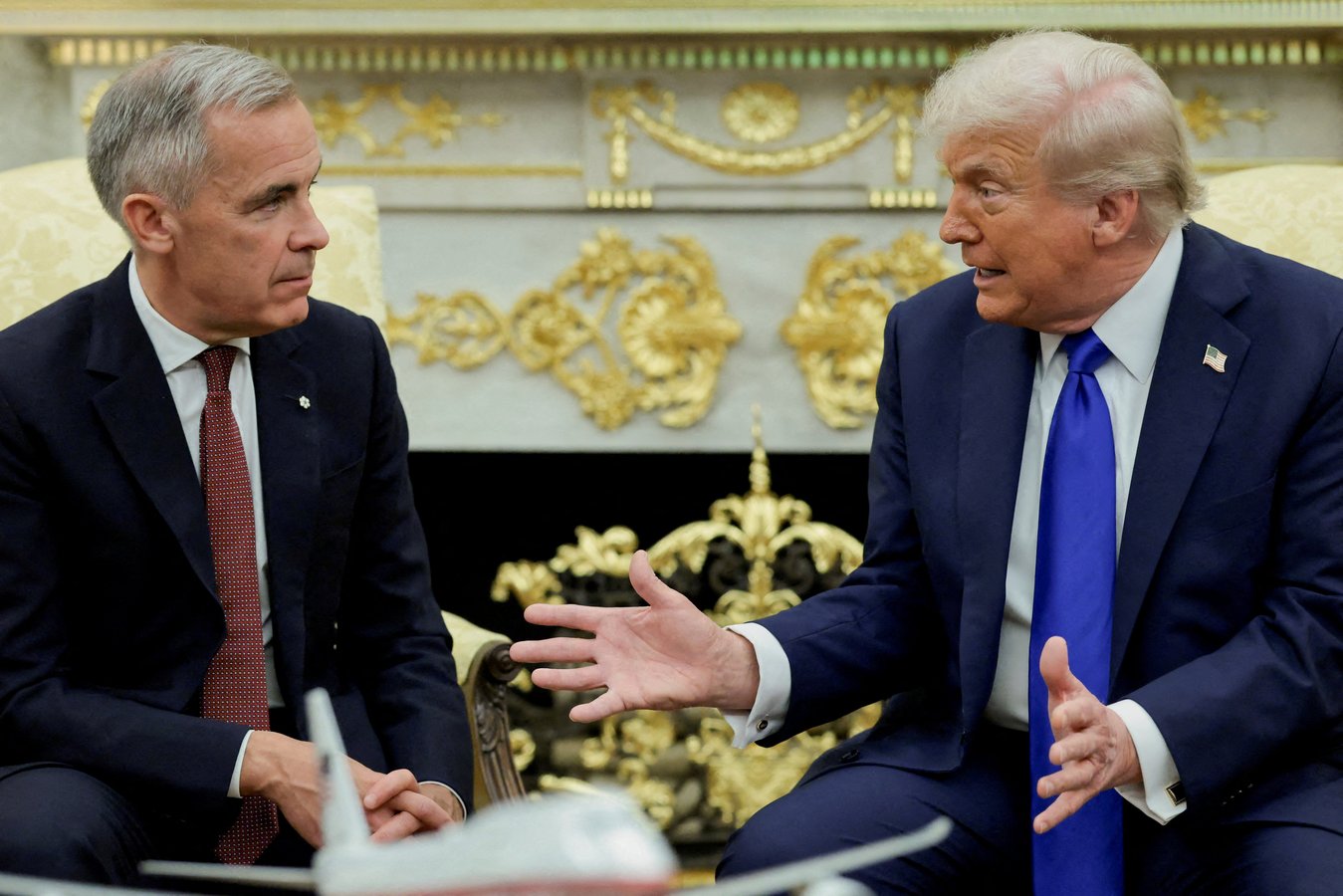
Canadian Prime Minister Mark Carney called the order “a direct violation” of the USMCA, Al Jazeera reported, and said Canada was “ready to intensify discussions” to resolve the dispute. He announced no counter-tariffs, leaving open a negotiating lane while the 30-day clock runs. Trade lawyers in Ottawa almost certainly spent Monday reviewing whether Section 338 can be challenged under the USMCA’s dispute-resolution mechanism or in US courts – a question with no clear answer, because the provision has not been litigated in this context.
US Trade Representative Jamieson Greer placed the action in explicit retaliatory terms. Canada and China, he said, are the only two countries to have retaliated against Trump’s 2025 tariffs. The list of Canadian retaliations Washington identified was specific: most provinces pulled US alcohol from government-controlled liquor store shelves, a boycott triggered by Trump’s tariff threats and his repeated suggestions that Canada join the US as its “51st state.” Canada also granted EU dairy products better market access than American alternatives. A cap placed on US vehicle exports from companies that had reshored manufacturing to the United States further irritated Washington.
The legal choice of Section 338 carries its own story. Trump’s sweeping tariffs using the International Emergency Economic Powers Act – deployed at the start of his second term – were struck down by the Supreme Court earlier this year. The administration turned to Section 338 as a statutory alternative with different legal footing. Whether that footing is solid is unknown. The provision was written in 1930 to give presidents authority to penalize countries that discriminate against US goods. It has never been stress-tested against a modern free-trade architecture, and certainly not against a trade agreement the president invoking it previously signed.
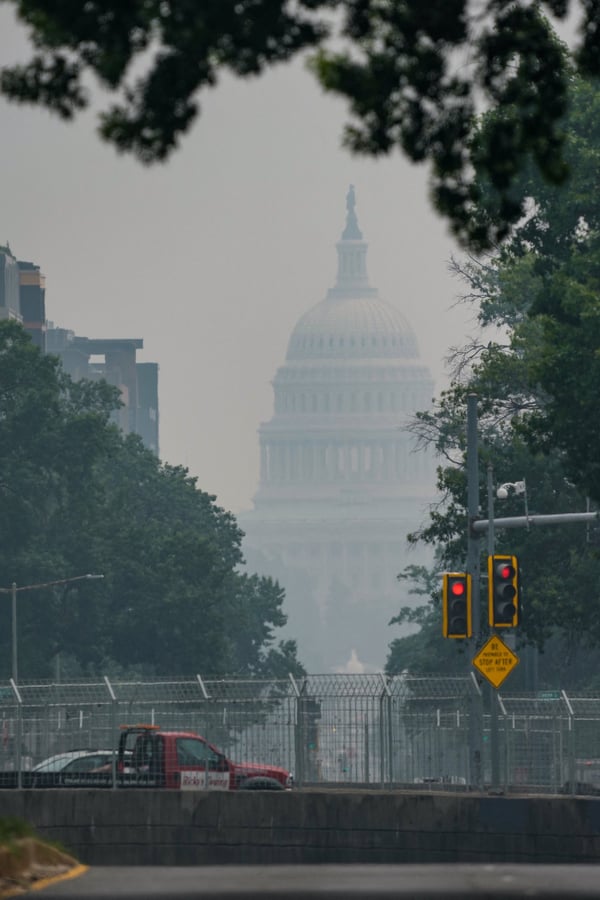
Trump had already threatened Canada with sharper tariffs days earlier over wildfire smoke crossing into the United States. Monday’s order is different in kind – not a threat but a signed directive, with a mechanism, a product list, and an implementation date.
The 30 days before the tariffs take effect gives Canadian exporters time to absorb the announcement but not enough to reconfigure supply chains. Wine exporters cannot find a new market in a month. Cement producers serving US construction projects cannot rebuild their logistics in that window. The practical options are narrow: absorb the cost, raise US prices, or halt shipments. All three damage businesses on both sides of the border.
Beyond the specific goods, the precedent matters as much as the tariff rate itself. The USMCA non-renewal on July 1 converted the pact into an annual review cycle without terminating it. Monday’s order goes further – it treats USMCA coverage not as a protection but as an irrelevance when the administration decides to invoke a different statute. For any Canadian exporter making multi-year capital commitments based on USMCA trade security, that judgment has now been rendered explicit.
Greer’s statement contained no conditions: no list of actions Canada could take to have the tariffs removed, no benchmark for what “fair” treatment of American products would look like, no timeline. This is the consistent pattern of Trump trade action – impose the penalty, generate the leverage, leave the resolution undefined. Whether a deal materializes within 30 days depends entirely on back-channel contacts Washington has not made public.
What Carney called a “direct violation” of the USMCA and what Greer described as accountability for “discrimination” are two framings of the same set of facts. The provinces’ alcohol boycott was a response to annexation rhetoric. The dairy access decision favored European producers. The vehicle cap protected reshored manufacturers. Each had a Canadian rationale. Whether 50% tariffs are a proportionate or legally durable American response to any of them – under a 1930 statute that predates the rules-based trade order Washington spent decades building – is now a question for negotiators, trade lawyers, and eventually courts.