
LOS ANGELES — What happened last Tuesday in American theaters was not supposed to happen on a Tuesday. Toy Story 5, now six days into its theatrical run, posted $23.7 million on June 24, the biggest single day in domestic cinema so far in 2026, surpassing a record set by Illumination’s Super Mario Galaxy Movie in February, and crossed $200 million in the process. For Pixar, a studio that spent four years watching its films land on Disney+ before families could debate whether to buy a ticket, the number matters less than the day it landed on.
Soul, Luca, and Turning Red went directly to streaming during the pandemic. Elemental, the studio’s first post-pandemic theatrical release, opened to $29 million in June 2023 and barely cleared $155 million domestic in its full run, a performance that prompted Disney executives to publicly reconsider whether Pixar belonged in theaters at all. Inside Out 2 ended that conversation in June 2024 with $154 million in its opening weekend. Toy Story 5, with a $160 million opening frame and a Tuesday that outperformed every other day any film has managed this year, ends the follow-up question: whether Inside Out 2 was a sequel anomaly or the beginning of something the studio can sustain.
Andrew Stanton, directing his first Pixar feature in over a decade, built the film around a premise calibrated for the families who will see it. Bonnie, the child who inherited Woody and Buzz in Toy Story 3, has a new favorite companion: Lilypad, a tablet-like digital toy voiced by Greta Lee whose glow and algorithmic personality are designed to be precisely what analog toys cannot replicate. Tom Hanks, Tim Allen, and Joan Cusack anchor the ensemble as before, but Stanton is less interested in their reunion than in the question Lilypad forces them to ask. The $250 million production budget, confirmed by Disney as the largest in Pixar’s history, signals that the studio is not hedging.
Critics landed at 94% on Rotten Tomatoes, with an A CinemaScore from opening-weekend audiences, the combination that historically predicts the kind of second-weekend resilience the box office tracking community is projecting at $80 to $90 million domestic for the June 27 to 29 frame. Deadline reported the $200 million domestic threshold was crossed in five days, the same pace as Inside Out 2, despite Toy Story 5 opening to a gross $40 million larger. The Hollywood Reporter described the film as Stanton’s most emotionally precise work since Finding Nemo. The only material critical dissent was directed at the villain-by-algorithm framing, which some reviewers found too schematic for a studio whose strongest films refused to resolve their tensions cleanly.
The opening-weekend records fell quickly and in sequence. The $160 million debut is the largest in Toy Story’s history by a factor of more than three, eclipsing Toy Story 4’s $120 million in 2019. It is the second-largest animated opening in domestic history, behind only The Incredibles 2’s $182.7 million in 2018. Variety reported that Friday’s $71 million opening-day figure included $17.5 million in preview-night business, itself the strongest preview performance any film has posted in 2026. Globally, the film opened to $312 million, placing it among the top animated debuts worldwide.
The second weekend begins Friday against a field that is competitive but not threatening to the top position. Supergirl, the Warner Bros. and DC Studios opener that launched simultaneously with Toy Story 5’s second frame, is projecting between $40 and $50 million for its debut, enough to be a significant market presence without approaching what Pixar is already holding. The two films are not competing for the same audience in any practical sense. Toy Story 5 is tracking as the weekend’s comfort choice for families making a deliberate return trip, the kind of film that earns its second-weekend number rather than inheriting it from opening-night momentum.
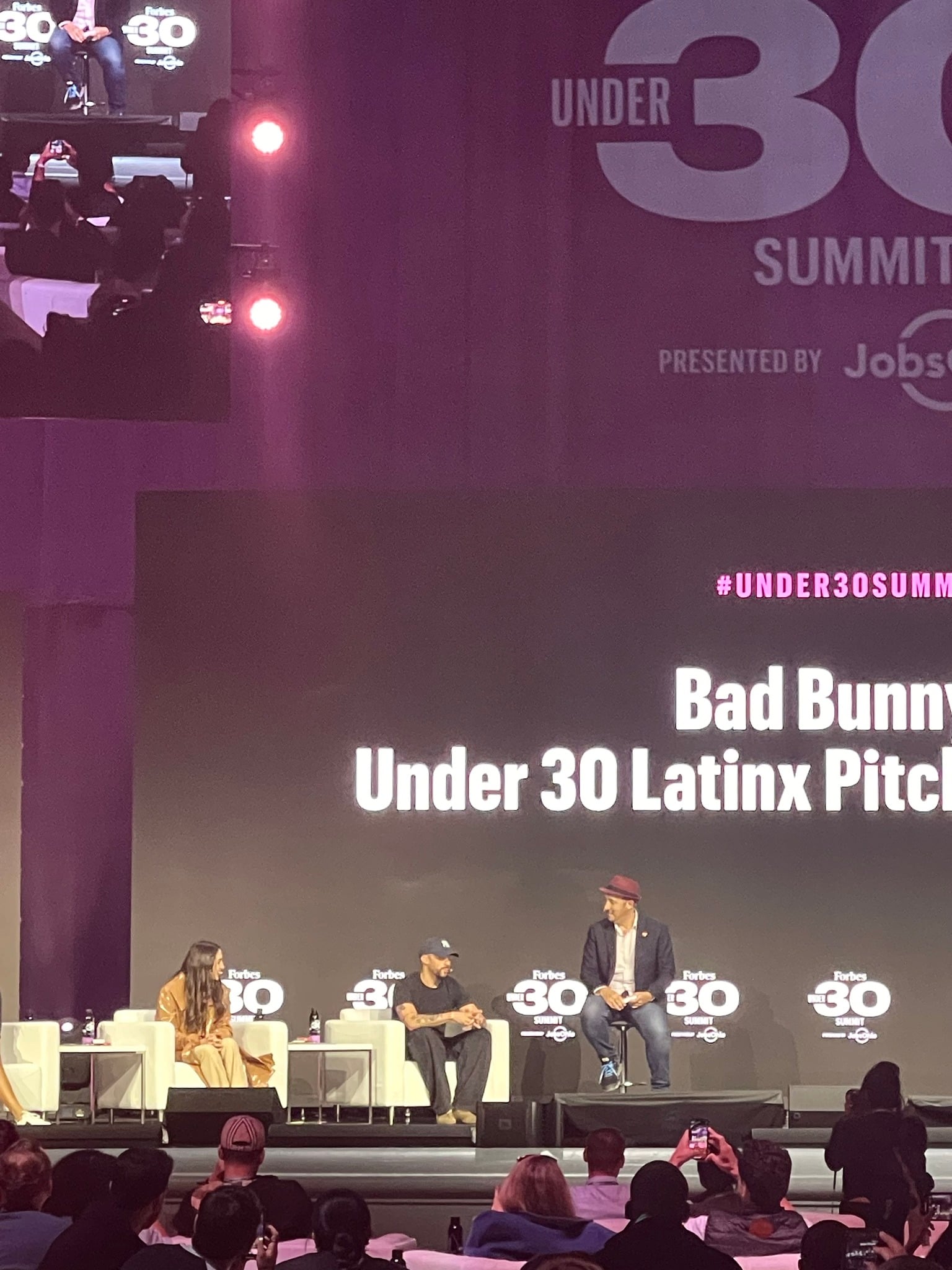
Bad Bunny’s casting as Pizza with Sunglasses arrived in late 2024 as the kind of headline that is easier to generate than to justify. What Stanton does with him is quieter than the announcement implied. The character is not played as cultural contrast or meta-comedy but as moral ambivalence: a toy who has grown up enough to recognize that newer is not always better, but has not arrived at the certainty required to act on that knowledge. The performance is brief. It lands with more weight than its screen time suggests.
The path to justifying a $250 million production budget requires a domestic total above $400 million and global receipts approaching $800 million before home video and streaming revenues begin to offset costs, thresholds widely cited in industry analysis but not confirmed by Disney. On Thursday morning, with the second weekend not yet tallied, the trajectory is on pace. Whether the legs that produced a $23.7 million Tuesday hold through July is the question the studio cannot yet answer, and the one the next few weekends will settle.