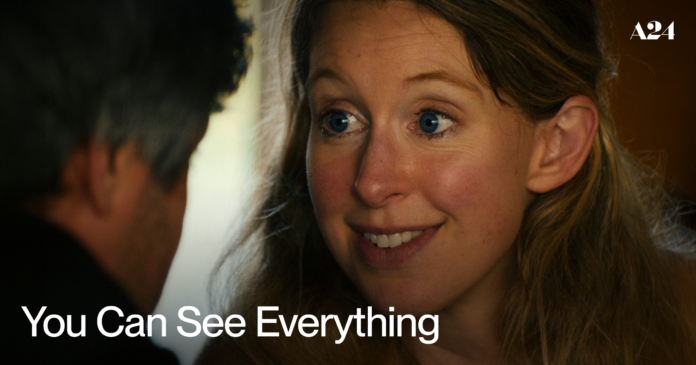

LOS ANGELES — Every critic who screened Supergirl agreed on one thing: Milly Alcock is extraordinary. What they could not agree on was whether the film around her was worth seeing, and that split is now the central problem for James Gunn’s DC Universe, which opens its second chapter today with a Rotten Tomatoes score of 57% and opening-weekend projections that have slid nearly $15 million below where they started.
The stakes are precise. Superman opened in July 2025 to $218 million domestic, giving Gunn’s rebuilt DCU the legitimacy it needed after the chaos of the Snyder era. Supergirl was supposed to sustain that momentum into a second season. A $40 million domestic opening, the current consensus among tracking firms, would not sustain anything. It would raise questions about whether the goodwill Superman earned transfers to a character whose theatrical absence since the 1984 Helen Slater film means most of the audience has no emotional baseline for her.
Craig Gillespie, who made Cruella and I, Tonya, shot the film from a screenplay by Ana Nogueira adapting Tom King’s 2023 Supergirl: Woman of Tomorrow run, a critically acclaimed comics arc that placed Kara Zor-El in a Western-inflected intergalactic revenge narrative. In the film, Kara travels across the cosmos with a teenage girl named Ruthye, a space dog called Krypto, and an escalating reckoning with her planet’s past. The premise is unusually literary for a superhero film, which partly explains why Gillespie was attached: his work on I, Tonya demonstrated he can hold tonal complexity without losing mainstream audiences entirely.
The performance reviewers consistently isolate belongs to Alcock. Digital Spy called her portrayal of Kara “a triumph of restraint and physical power in the same body,” while The Hollywood Reporter credited her with “finding the specific sorrow underneath the strength that the character has always deserved on screen.” For an actress who came to international attention playing young Rhaenyra Targaryen in House of the Dragon, the leap to a DCU lead is considerable, and nearly every major review treats it as a leap she lands cleanly.
The disagreement starts the moment reviewers move past Alcock. Variety described the supporting narrative as “super-horrendous in stretches,” a phrase that collected particular attention in industry circles because it named exactly what defenders of the film concede privately: the script’s structural ambitions frequently outpace its execution. Several critics noted pacing problems in the second act, a villain whose motivations remain underwritten, and tonal shifts that read as directorial confidence on paper but turbulence on screen. The 57% RT score is not a disaster. It is a ceiling problem, marking Supergirl as a film whose lead performance argues for one verdict and whose screenplay argues for another.
The tracking movement tells a similar story. Supergirl opened with projections above $55 million domestic, per Deadline’s box office preview published this week, but industry models pulled those numbers down steadily over the past ten days as the critical consensus crystallized. The current range sits between $40 million and $50 million, with the midpoint landing below what Warner Bros. Discovery needs to call the opening a franchise-sustaining success. International markets may soften that calculation, since the film screens across Europe and Asia simultaneously, but the domestic number will dominate the headline.

For Alcock personally, the critical outcome is a different kind of win. An actress whose performance draws universal praise in a film with a mixed RT score occupies a specific and valuable position in Hollywood: she becomes the thing the studio cannot afford to lose. The Academy expanded its voter rolls this week with 529 new members spanning international categories, and a winter awards campaign built around a performance this unanimously praised is already being discussed at her agency. The competition is crowded, since Netflix’s Avatar: The Last Airbender and a late-summer prestige wave will shape the conversation, but Alcock enters that discussion as the lead from the summer’s most-debated blockbuster.
What Sunday’s actual number reveals will determine which problem Gunn has on his hands. If Supergirl opens at $48 million or above, the conversation will center on how a better script in the sequel converts critical division into consensus. If the number lands at $38 million or below, the conversation will shift to whether superhero fatigue is category-wide or content-specific, whether audiences are exhausted by the genre or only by entries that give them permission to stay home. Those are not the same diagnosis, and Gunn’s next decisions will look entirely different depending on which one the box office delivers.