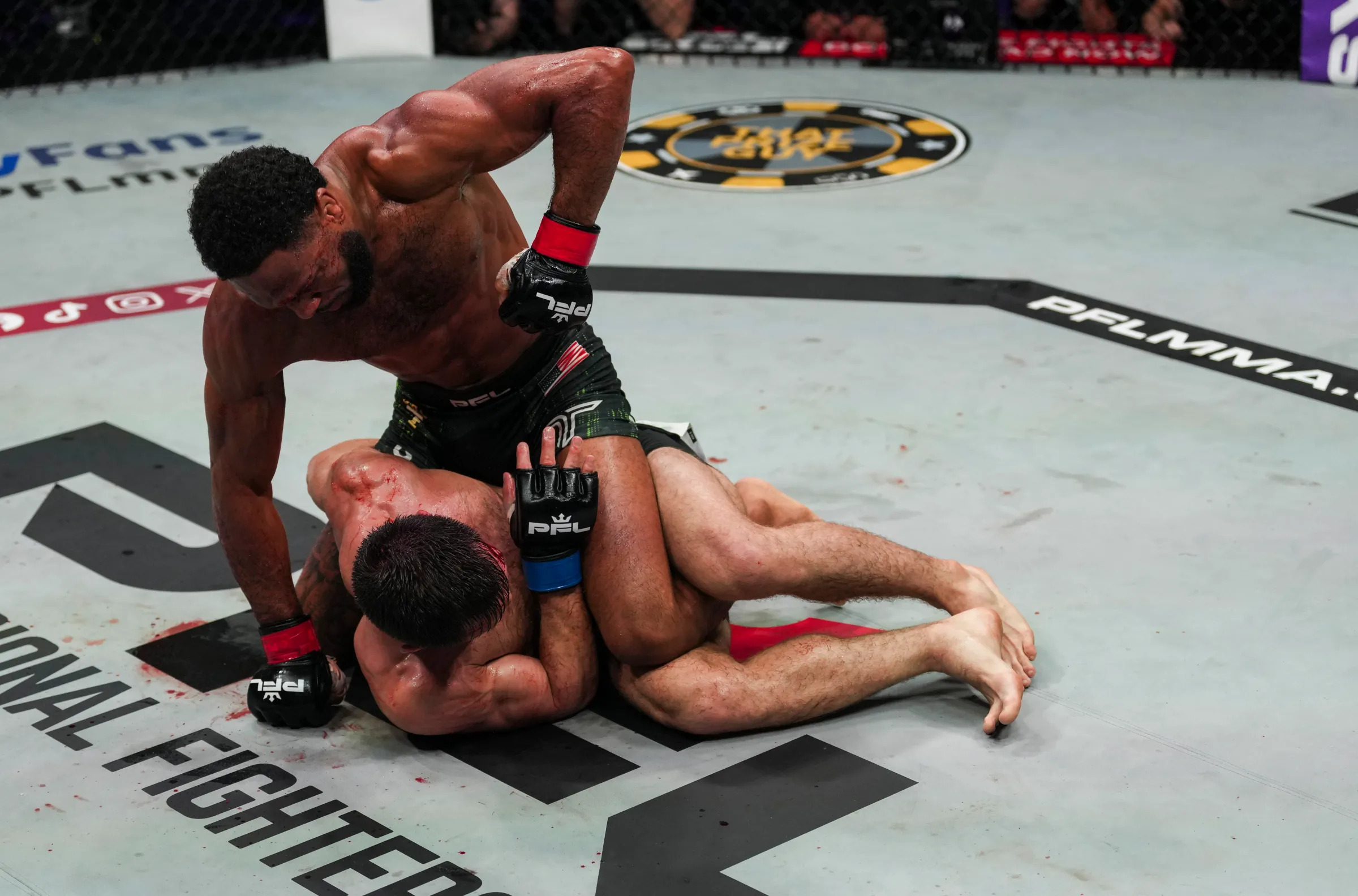

SAN DIEGO — The elbows told the story.
With less than a minute left in the third round at Pechanga Arena on Saturday night, AJ McKee had Salamat Isbulaev pinned to the canvas and was slashing across his face in a sequence one observer described as a horror movie of elbows — blood spraying, the crowd on its feet, a stoppage hanging in the air before the horn saved the undefeated prospect for the last time. McKee did not need the finish. All three judges gave him every round, 30-27 across the board, in a unanimous decision that handed Isbulaev the first loss of his professional career and put a blinking arrow over McKee’s name in the PFL featherweight title picture.
“You call a mercenary when you need something done,” McKee said in the octagon, leaning into his nickname with the clarity of a man who knows exactly what comes next. Isbulaev, he added, is a beast. The compliment cost him nothing — the business had already been handled.
McKee, 25-2 after Saturday’s performance, came into this fight carrying the pedigree of a former Bellator Featherweight World Champion and the burden of a division that needed someone to remind it of his existence. He did both. The PFL’s 145-pound title sits vacant, and only Timur Khizriev — ranked No. 1 at featherweight — stands between McKee and a straightforward path to a championship fight. Whether the promotion gives him that fight is now the only question that matters.
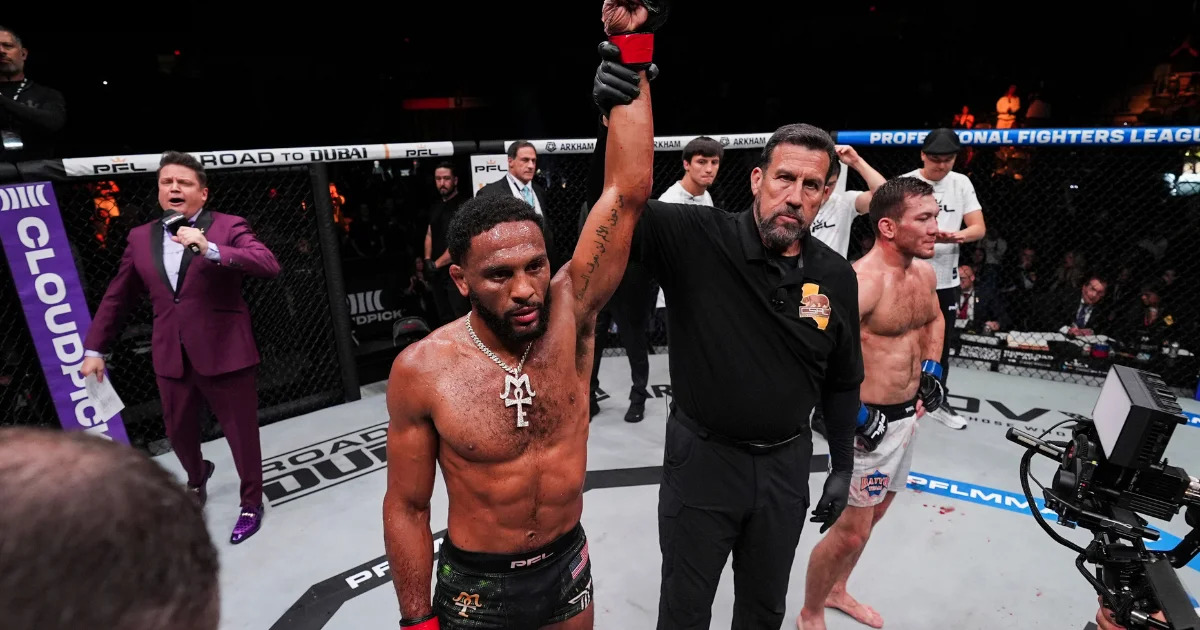
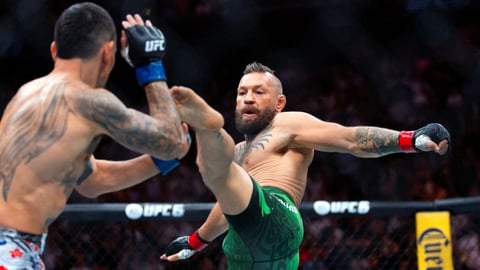
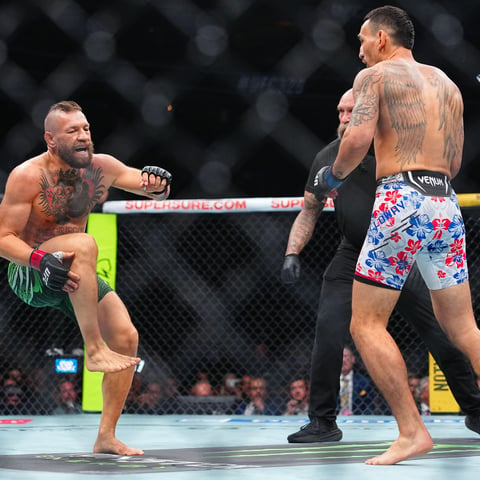
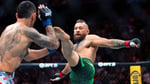
The first round was not simple. Isbulaev walked McKee down from the opening seconds, hunting that overhand right, and found it — a clean right hand that drilled McKee and forced a reset. McKee, to his credit, did not panic. He answered with leg kicks, a flying switch kick that changed the tempo, and a pair of takedowns in the closing minute that ended any early momentum Isbulaev had built. The round belonged to McKee, but only just. The prospect from Kazakhstan had shown what scouts had advertised: he could land, he could pressure, and he was not going to be intimidated by a name.
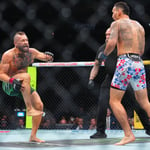
Round two was where the fight shifted from competitive to McKee’s to lose. He mixed his offense more deliberately — ground, feet, clinch, grappling — never letting Isbulaev settle into the rhythm that had sustained his 10-0 record before Saturday. Isbulaev tried, repeatedly, but McKee’s level changes came at angles the younger fighter hadn’t prepared for. By the time the second horn rang, the scorecards were academic.
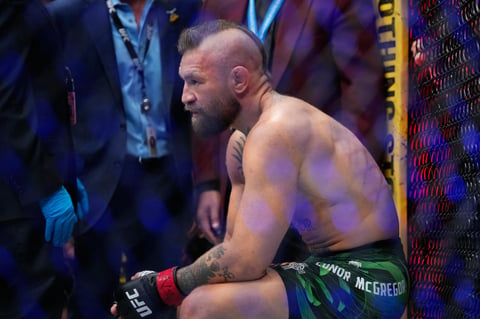
The third round was the closing argument. McKee took Isbulaev down again and then did something more than control — he punished. Elbows to the face, ground-and-pound that opened cuts, a combination of precision and relentlessness that nearly forced the referee’s hand before the final buzzer. Two members of Isbulaev’s corner were working on his face before he had left the canvas. The loss, his first as a professional, came against the version of McKee the Bellator era had promised but could not always deliver: composed, diverse, and entirely willing to end a fight on the ground.
The salary disclosure filed with the California State Athletic Commission added a dimension the scorecard numbers could not. MMA Fighting reported McKee earned $100,000 flat for his night’s work, while Isbulaev took home $10,000 in defeat — a figure that led coverage of the event and that the PFL’s pay structure for prospects on losing efforts rarely escapes. The gap between the main event headliners is a number that tends to linger. Ten thousand dollars, in a fight that will likely set the division’s title picture for the next several months.
In the co-main event, Liz Carmouche made a different kind of argument. The 42-year-old flyweight submitted Viviane Araujo with a guillotine choke at 2:07 of the second round, defending a desperate Araujo double-leg takedown attempt with a textbook squeeze that left no doubt. Carmouche has now gone 13-1 inside Bellator and PFL combined since her release from the UFC — a stretch of sustained excellence at an age when most fighters in the sport have already stepped away. She spent her octagon interview calling for PFL to create a bantamweight division. Whether that conversation goes anywhere is less certain than what her record continues to say.
Rob Wilkinson stopped Abraham Bably by TKO at 3:23 of the second round. Alexander Shabliy put together a clean unanimous decision sweep over Alfie Davis, 30-27 on all cards. Khasan Magomedsharipov needed barely more than two minutes to finish Joshua Weems with an arm-triangle choke in the first round.
On the preliminary card, Jena Bishop submitted Ariane da Silva — a UFC veteran — with an armbar at 4:08 of the opening round in a performance that drew the most attention from the undercard. Sarvarjon Khamidov, Shannon Clark, and Cobey Fehr also finished their respective opponents by submission, TKO, and anaconda choke.
McKee said afterward he had underestimated Isbulaev coming in — a concession that landed oddly given how thoroughly he dismantled him over fifteen minutes. What the result actually revealed is harder to name: whether McKee’s best version had been sitting at 145 pounds all along, or whether Isbulaev, at 10-1, was simply not what the hype required. Both things can be true simultaneously. The title fight, when it comes, will probably tell us which.