

WASHINGTON – Apple Inc. wants the Trump administration to do something the administration’s own national-security apparatus has already complicated: protect the company’s ability to buy memory chips from a Chinese semiconductor maker the Pentagon has listed as a firm with ties to the People’s Liberation Army.
The company contacted the Commerce Department roughly a month ago seeking clarity on its procurement relationship with ChangXin Memory Technologies Inc., known by its acronym CXMT, and has since escalated the effort to the White House, the Financial Times first reported, with Bloomberg confirming the outreach. Apple is not currently barred from buying from CXMT. The ask is narrower and more unusual than a waiver: Apple wants a forward-looking guarantee that CXMT will not be added to Commerce’s Entity List, the blacklist that makes sourcing from a designated firm illegal without a government license.
The distinction between where CXMT sits now and where Apple fears it might land is the entire weight of the story. CXMT appears on the Pentagon’s 1260H list, a statutory designation for Chinese companies alleged to support or supply the People’s Liberation Army. A 1260H listing is a signal, a reputational and political marker that has traditionally preceded tougher consequences. It does not, by itself, prohibit American companies from buying the designated firm’s products. An Entity List designation would. And that is what Apple is lobbying against.
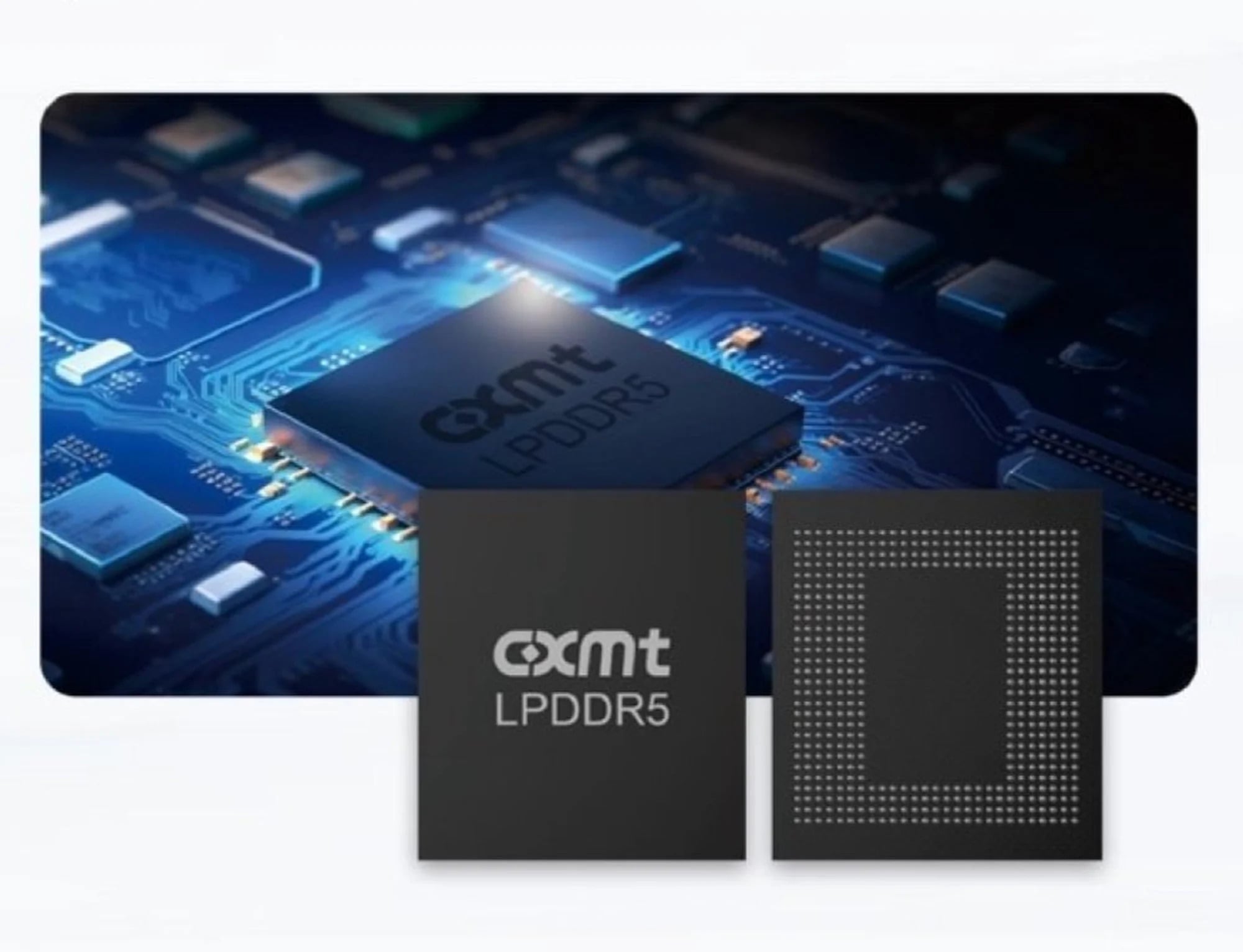
What makes the timing notable is that the Entity List has not been updated since October 2025, the longest gap in at least a decade. CXMT, alongside DeepSeek and more than 100 other Chinese entities, cleared an interagency review and was readied for designation, but the White House held the list in place while the administration pursued broader trade negotiations with Beijing over tariffs and rare earth export controls. The pause was not about CXMT specifically. Apple’s lobbying has made it about CXMT specifically.
The commercial logic is not hard to follow. DRAM prices rose approximately 98 percent in the first quarter of 2026, driven by a structural reallocation of wafer capacity across the three dominant producers: Samsung Electronics, SK Hynix, and Micron Technology all shifted fabrication toward high-bandwidth memory, the stacked chips that feed AI training clusters, at the expense of the conventional DRAM that fills iPhones, MacBooks, and iPads. Counterpoint Research estimated that memory costs quadrupled across three consecutive quarters. Apple has already passed some of those costs to customers, raising prices on Macs, iPads, its home device lineup, and Vision Pro.
Apple’s own decisions on memory architecture have tightened its room to maneuver. The company’s iPhone 18 reportedly ships with 9 gigabytes of RAM even as Apple Intelligence, its on-device AI suite, requires 12 gigabytes for full functionality, a constraint that traces back to the same supply-side crunch now driving Apple into Washington’s lobbying corridors. CXMT is one of the few players that has retained conventional DRAM capacity and is supplying it at prices the three dominant producers are not matching. The same HBM pivot that pushed consumer hardware prices sharply higher across the industry has, in effect, handed CXMT a strategic position it could not have created for itself.
Representative John Moolenaar, the Michigan Republican who chairs the House Select Committee on the Chinese Communist Party, called Apple’s request a “grave mistake.” The concern he articulated goes beyond this specific procurement decision. If Commerce grants Apple an explicit assurance that CXMT will remain off the Entity List, it effectively converts a Pentagon military-risk designation into a negotiating position rather than a security classification. It signals to every major American company with similar supply chain exposure that the interagency review process has an appeals window, and that the window opens in proportion to the lobbyist’s reach.
The paradox animating the episode is one Washington has not resolved across any of its technology-control efforts. The companies most exposed to restrictions on Chinese technology are often those most deeply embedded in Chinese technology supply chains, not because they chose dependency, but because the alternatives scaled too slowly. Apple does not buy from CXMT because it prefers to; it buys from CXMT because the HBM pivot at Samsung, SK Hynix, and Micron left a gap in conventional DRAM supply that CXMT stepped into before Western alternatives could follow. Restricting that supply does not immediately create an alternative. It creates a shortage, and in the near term, Apple’s customers absorb it.
Whether the administration treats the lobbying campaign as a routine regulatory inquiry or as a test case for how seriously it takes its own military-risk designations depends on an underlying factual question it has not publicly resolved. The evidence base for CXMT’s 1260H designation has not been publicly disclosed: the specific contracts, procurement records, or corporate relationships that allegedly connect the company to the People’s Liberation Army have never been released. If the evidence is strong, a pause in the Entity List does not change its weight. If it is thinner than the designation implies, the pause reflects a political reality both sides in the lobbying dispute understand but neither will state directly.
Neither Commerce nor the White House has responded publicly to Apple’s request. The Entity List remains unchanged. Apple’s CXMT supply, for now, continues uninterrupted, and the decision about whether that arrangement survives is sitting in someone’s inbox in Washington, without a deadline.