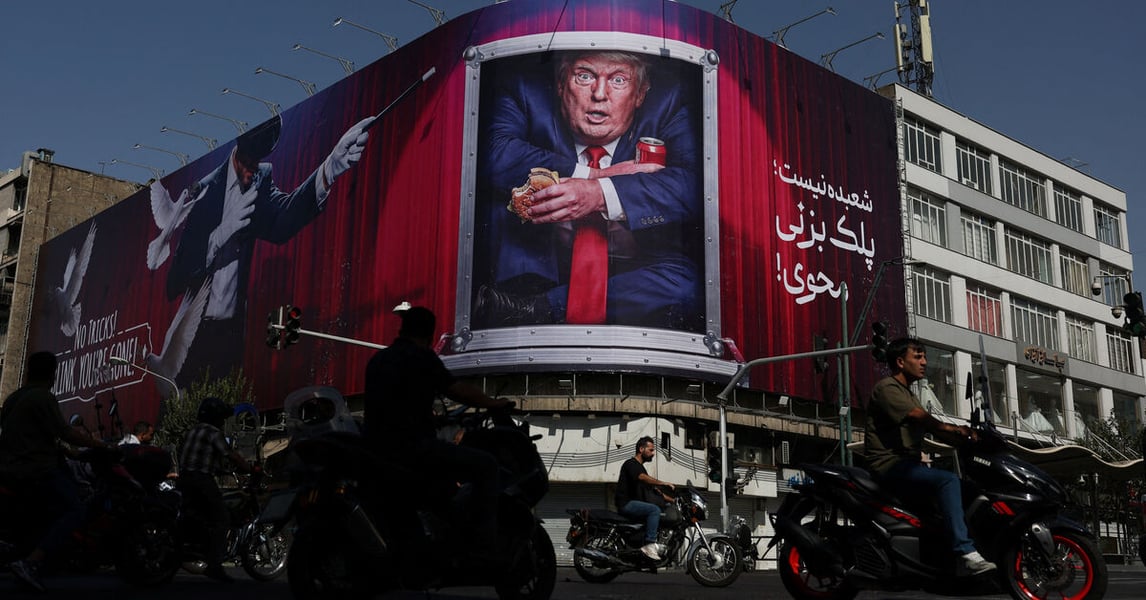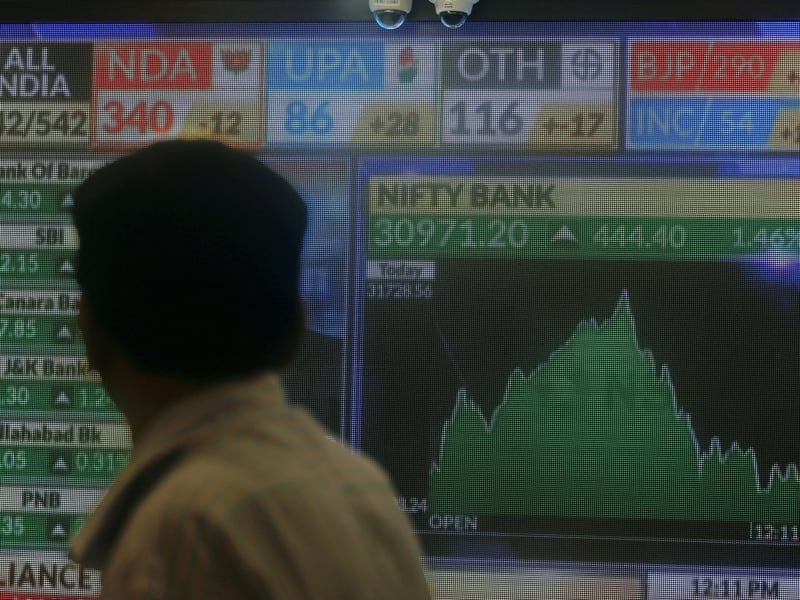

NEW DELHI — The Indian rupee had done something it had not managed in four months: it was winning. Through most of June, the currency held at 84.3950 against the dollar — a first monthly gain since February — carried along by a domestic bond market that had been quietly one of the better-performing fixed-income trades in Asia. Then Iran launched strikes on U.S. military installations in Kuwait and Bahrain over the weekend, oil jumped, and traders arrived Monday morning to a different set of questions.
The rupee and bond markets open Tuesday under conditions that make the next 72 hours consequential. Brent crude’s move — the magnitude of which will set the initial tone — feeds directly into India’s import bill, its current-account arithmetic, and the inflation trajectory the Reserve Bank of India has spent months trying to bring under control. A sustained oil surge dismantles each of those in sequence.
The bond market’s recent run had been striking on its own terms. The 10-year benchmark yield closed last week at 6.7690 percent, down eight basis points in five sessions and 28 basis points over five consecutive weeks of declines — a streak that investors and analysts had attributed to a combination of improving fiscal signals, foreign inflows following India’s inclusion watch on the Bloomberg Global Aggregate Index, and the RBI’s measured liquidity management. That story now has a complication.
What the strikes introduced was not just an oil-price variable but a risk-premium question. Iran’s targeting of U.S. military infrastructure — not commercial shipping, not regional proxies, but American installations in Gulf states — raises the stakes on how Washington responds and how quickly. Every escalation scenario that traders run from here carries an energy-price dimension, and energy is not a marginal input for India. The country imports roughly 85 percent of its crude, and the rupee’s sensitivity to oil shocks is well-documented: a $10 per barrel sustained rise in Brent typically adds 30-to-40 basis points to the current-account deficit as a share of GDP, according to estimates cited by economists at IDFC First Bank and Nomura India.
Against that backdrop, the Federal Reserve’s rate path is almost a secondary consideration this week — though it will not feel that way when U.S. payroll data lands Thursday. More than 75 percent of economists in a Reuters poll expect the Fed to hold rates steady through the rest of 2026, a more conservative read than market pricing, which at last count was building in roughly two cuts before year-end. The payrolls number — consensus sits around 110,000 — will either validate the Fed’s patience or give ammunition to those expecting an earlier move. For India, the direction matters less than the pace: a Fed that cuts aggressively tends to weaken the dollar and ease pressure on emerging-market currencies; a Fed on hold prolongs the carry dynamic that has supported rupee inflows in recent weeks.
The RBI is watching both variables simultaneously and has limited room to respond to either in isolation. The central bank intervened in currency markets repeatedly through April and May to smooth rupee volatility, drawing down reserves at a pace that drew comment from analysts at Barclays and JPMorgan. Its ability to repeat that intervention is not unlimited, and a scenario in which oil prices surge while the Fed holds steady would test its options simultaneously from two directions.
Bond traders have a narrower set of concerns this week. The 10-year yield range that analysts flagged ahead of the geopolitical escalation was 6.72 to 6.84 percent — a band that already reflected some uncertainty about how far the rally could extend. Iran’s strikes will likely push the upper end of that range back into play. Foreign portfolio investors, who had been net buyers of Indian government bonds in recent weeks as the Bloomberg index inclusion watch gathered pace, will reassess risk appetite in any sustained escalation scenario. Their exit — if it came — would pressure yields from the demand side at a moment when the supply calendar is not light.
The gold market’s reaction to the strikes offered one early read on how safe-haven flows are moving, with bullion rising sharply on Monday as investors reduced exposure to risk assets across the board. Indian equity futures pointed to a lower open. Whether the rupee and bond markets follow that risk-off move in full, or find some floor from the domestic fundamentals that drove June’s rally, is the question that the next session will begin to answer — though probably not finish.
India’s currency and bond traders have navigated geopolitical shocks before. The question after this weekend is not whether they can, but whether the specific geometry of this one — oil, Fed timing, RBI intervention capacity, and a bond rally that had not yet fully digested its own momentum — leaves them enough room to absorb it without giving back what June quietly built.
Related Posts