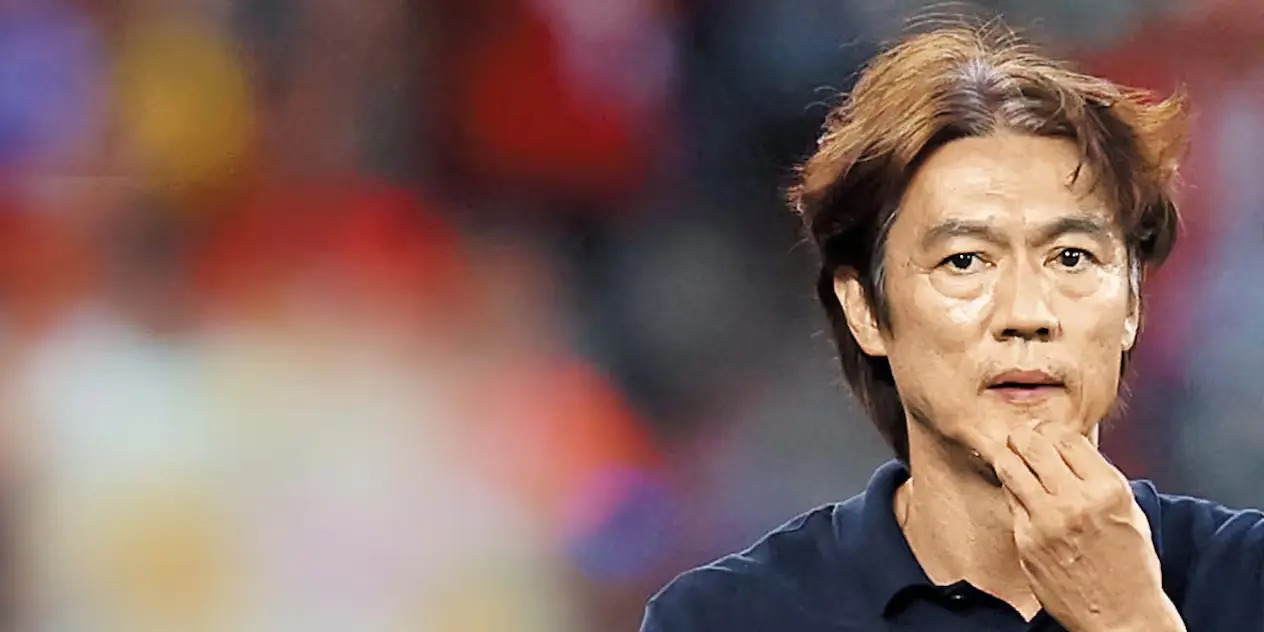

SEOUL — The convenience store posted the sign the same day South Korea lost to South Africa. “Hong Myung-bo Is Not Allowed Entry.” Within hours, the image had spread to every major Korean online community. By the next morning, the signs were appearing on restaurant doors across the country. By Sunday, the coach himself was gone.
Hong Myung-bo resigned as South Korea’s national football team manager less than 24 hours after the squad’s elimination from the 2026 World Cup, ending a tenure that had begun with cautious optimism and closed with something much uglier. The team won its opening group match against the Czech Republic, then lost back-to-back games to South Africa and Mexico, finishing bottom of Group A and exiting a tournament the country had expected to advance through. The reaction at home was not disappointment. It was fury.
South Korean president Lee Jae-myung called Hong “incapable” and ordered the sports ministry to open a formal government investigation into the team’s early exit and the process by which Hong had been appointed in the first place. The demand for an inquiry into a football coach’s hiring by a head of state is unusual in any country. In South Korea, where football carries the accumulated weight of the 2002 World Cup semi-final run — one of the defining national moments of the modern era — the gap between expectation and performance this summer was too wide for ordinary disappointment to cover.
Police in Seoul confirmed they were tracing the author of an online post that threatened to kill Hong at Incheon airport on the date of his return. The poster, who claimed to be a 41-year-old American citizen, subsequently deleted the message. Officers were monitoring the situation. The squad’s arrival ceremony, which typically draws crowds of welcoming fans, was quietly cancelled.
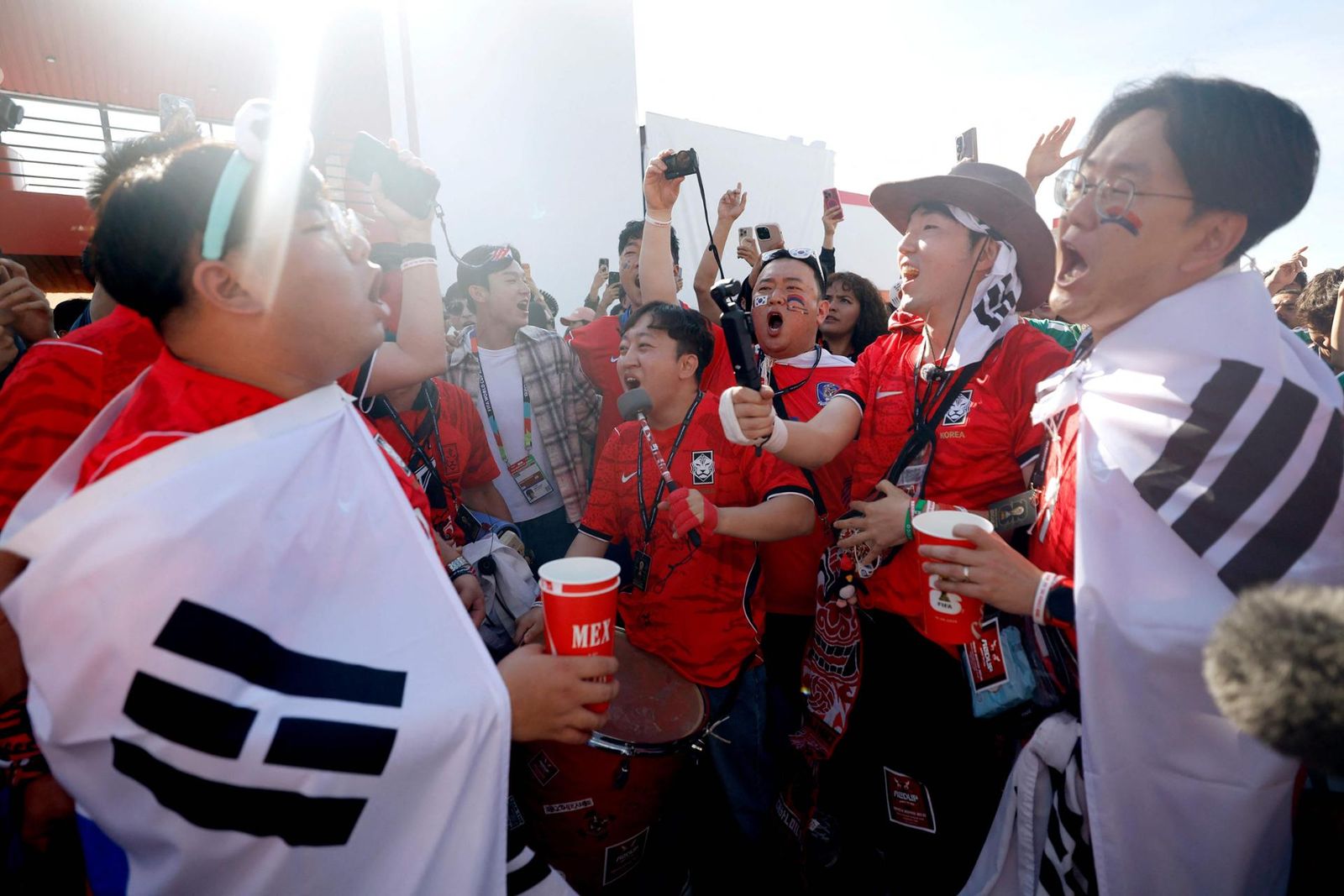
The restaurant bans — viral, darkly comic, and legally unenforceable — became an international story in their own right, with the “No Entry for Hong Myung-bo” signs spreading to social media feeds across Asia. The South China Morning Post reported that what had started as a meme had morphed into something the country’s football federation found impossible to ignore. Former national team players joined the public criticism. Calls for wholesale structural change at the Korea Football Association gathered momentum before the squad had even landed home.
The immediate question hanging over South Korean football is what happens to Son Heung-min. The Tottenham Hotspur captain, who at 34 is approaching the likely end of his international career, has said nothing publicly since the elimination. His future with the national side — whether he continues under whoever succeeds Hong or steps back from international duty — is now the central unanswered question of a summer that has otherwise produced only embarrassment for Korean football. Elsewhere in the tournament, Asian football’s standard-bearer has shifted: Japan face Brazil in the round of 32, the kind of stage South Korea never reached.
Hong’s appointment had itself been contentious. The BBC reported that the presidential investigation would examine whether proper procedures were followed when the federation selected him, a question that had circulated among Korean football insiders since before the tournament began. His coaching record coming in was respectable but not exceptional — a former World Cup defender of genuine stature whose managerial CV had not matched the scale of the job. The appointment had passed without widespread objection at the time. The elimination made the hiring feel, in retrospect, like a decision that had never been properly interrogated.
What the week after South Korea’s exit illustrated was not simply that a country was upset about a football result. It was that a national team can become a container for something much larger: identity, pride, political accountability, and a collective sense of whether institutions are being run with the seriousness they deserve. The death threat, the restaurant signs, the presidential decree, the police monitoring — each element on its own would have been notable. Together, they described a country whose relationship with its football team had broken down in a way that a resignation alone could not repair.
The Korea Football Association has not yet named an interim manager. The investigation the president ordered will take time. Son Heung-min has not spoken. The tournament continues without South Korea, and whatever comes next for Korean football will be built, or not built, on the wreckage of a group stage that nobody in the country is ready to explain away.
Related Posts