
WASHINGTON – For eight years, US law enforcement agents placed undercover orders on Chinese e-commerce platforms. Chemicals that serve as pharmaceutical precursors. Counterfeit drug products. Manufacturing equipment used to produce fake medications. The orders went through Alibaba’s platforms – including AliExpress, one of the world’s largest e-commerce sites – and they were filled.
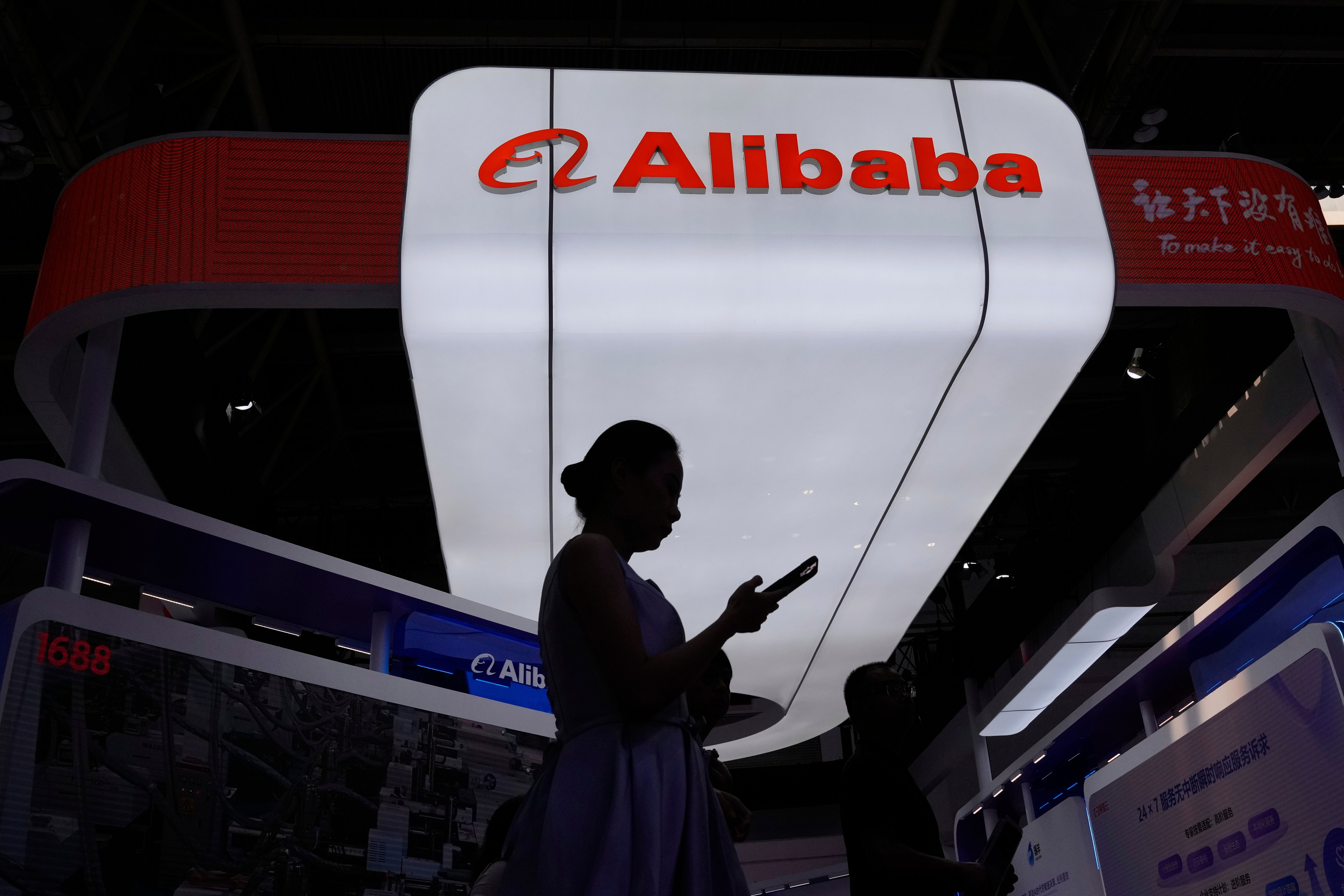
On Wednesday, Alibaba Group and its US payment processor AUS Merchant Services agreed to pay $600 million to settle the resulting federal investigation, entering non-prosecution agreements that required both companies to acknowledge their compliance failures and commit to new controls. The settlement resolves allegations spanning 2016 through 2024 – eight years in which the Justice Department determined Alibaba failed to prevent approximately 80,000 product sales involving pharmaceutical chemicals, misbranded drugs, and counterfeiting equipment, with a combined transaction value exceeding $200 million.
“Today’s resolution reflects the Department of Justice’s commitment to ensuring that companies operating e-commerce and digital payment platforms keep illegal, unapproved, misbranded, and dangerous foreign pharmaceuticals off their marketplaces,” Brett Shumate, the US Assistant Attorney General for the Civil Division, said in announcing the agreement.
The size of the settlement – the largest reached by a Chinese e-commerce operator in a US federal enforcement action – reflects a calculation the Justice Department rarely makes explicit: marketplace operators bear institutional responsibility for the transactions flowing through their systems, not just the sellers who list the products. The 80,000 figure, derived from internal records and more than 40 law enforcement undercover purchases, positioned Alibaba and AUS Merchant Services not as passive conduits but as entities with actionable knowledge of the problem that went unaddressed for years.
Alibaba framed the outcome as a resolution reached through cooperation. “This settlement reflects a thorough regulatory process with Alibaba’s full cooperation and our commitment to best-in-class standards,” the company said Wednesday. The non-prosecution agreements require both Alibaba and AUS Merchant Services to accept responsibility for the conduct of their officers and employees and to enhance their compliance programmes – without entering criminal guilty pleas.
What those enhanced compliance measures will look like in practice has not been detailed publicly. The Justice Department has not disclosed the specific technical standards, staffing requirements, or seller verification procedures Alibaba has committed to implementing on AliExpress and its related platforms. For a marketplace that operates in more than 100 countries and connects millions of Chinese-origin suppliers with buyers worldwide, the answer to that question will matter more in the long run than the $600 million figure itself.
The investigation found its legal basis in the Federal Food, Drug, and Cosmetic Act, which governs the import and sale of pharmaceutical products in the United States. The role of AUS Merchant Services – Alibaba’s US payment processing arm – extends the accountability beyond the marketplace listing: the probe reached into the payment infrastructure that enabled transactions to close, not just the listing that initiated them. That distinction carries implications for how other e-commerce operators assess their own legal exposure under US pharmaceutical law.
Alibaba has operated in a state of elevated regulatory scrutiny across multiple jurisdictions for years. In China, antitrust regulators fined the company a record $2.8 billion in 2021, then the largest penalty in Chinese competition history at the time. That action came after an extended investigation into alleged monopolistic practices in Alibaba’s home market. The DOJ settlement is structurally different – a civil compliance matter resolved without criminal prosecution – but follows the same pattern: a protracted investigation, a disclosed figure, a cooperation narrative from the company.
The difference is that the US resolution is enforced by a foreign government’s prosecutors against a Chinese company’s operations in markets Alibaba has been working to expand. Al Jazeera, which reported the settlement details Wednesday, noted that the non-prosecution agreements stop short of criminal prosecution. That framing matters for Alibaba’s standing in non-US markets: a non-prosecution agreement signals cooperation, not conviction.
The e-commerce pharmaceutical supply chain in the United States has been a persistent policy gap. The federal government has struggled to monitor the millions of small cross-border parcels flowing from Chinese suppliers through platforms like AliExpress to US buyers. Washington’s ongoing effort to expand pharmaceutical access for Americans has simultaneously sharpened demand for lower-cost alternatives sourced overseas, a dynamic that enforcement actions alone cannot fully address.
Whether European or other regulators will use Wednesday’s resolution as a basis for parallel investigations has not been disclosed by any party to the agreement. The EU’s Digital Services Act, which entered full application in 2024, imposes “know your business customer” obligations and illegal product removal requirements on large online platforms. The DSA’s framework is broadly comparable in purpose to the US standard Alibaba violated – though enforcement mechanisms differ substantially. A settled US case does not bind European prosecutors, but it does create a documented factual record that regulators in other jurisdictions can reference.
The US-China commercial relationship has grown more complicated across the eight years the investigation covered. Washington has escalated tariff schedules, intensified scrutiny of Chinese digital platforms, and layered national security conditions onto commercial relationships that in 2016 were governed by ordinary trade law. The Alibaba settlement is not framed as a national security matter – it is a pharmaceutical compliance case from beginning to end. But its announcement arrived on the same day the United States declined to renew its North American trade agreement with Canada and Mexico, in a week when Chinese trade and investment flows – from freight access through contested maritime routes to e-commerce transactions through AliExpress – are under simultaneous examination in Washington.
The 80,000 transactions that generated the investigation were a fraction of AliExpress’s total transaction volume across eight years. They were enough to sustain federal monitoring, fund more than 40 undercover purchases, and produce a $600 million settlement. The compliance commitments attached to the non-prosecution agreement will determine whether a subsequent probe, in this market or another, ever opens at all.