
WASHINGTON — They knew the drugs worked. What they did not have was $1,350 a month to prove it.
On Tuesday, the Centers for Medicare & Medicaid Services officially launched its Medicare GLP-1 Bridge program, making weight-loss medications available to roughly 10 million eligible seniors at $50 a month. It is the first time in Medicare’s six-decade history that the program has covered GLP-1 drugs specifically for obesity, rather than requiring a diabetes diagnosis that until now had served as the only coverage gateway.
“The sheer cost of these medications is a huge barrier to access,” Dr. Mehmet Oz, the CMS administrator, said at Tuesday’s launch. “That ends today.”
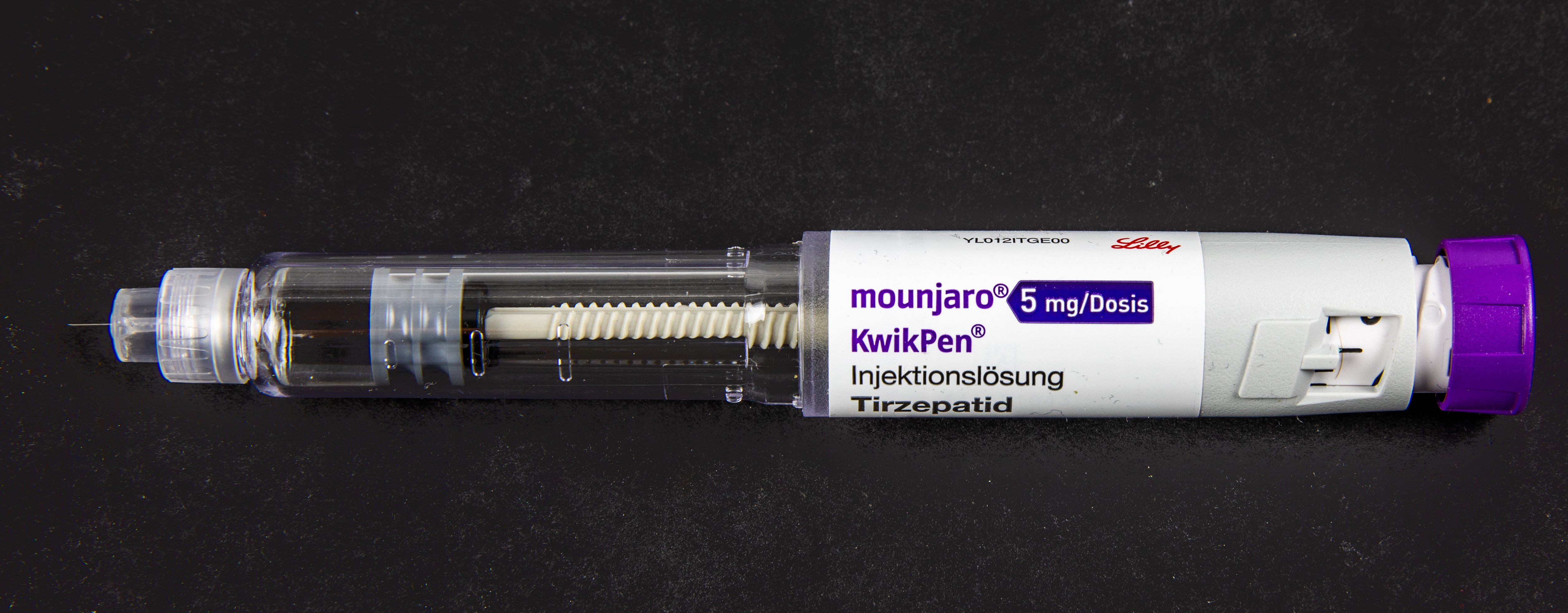
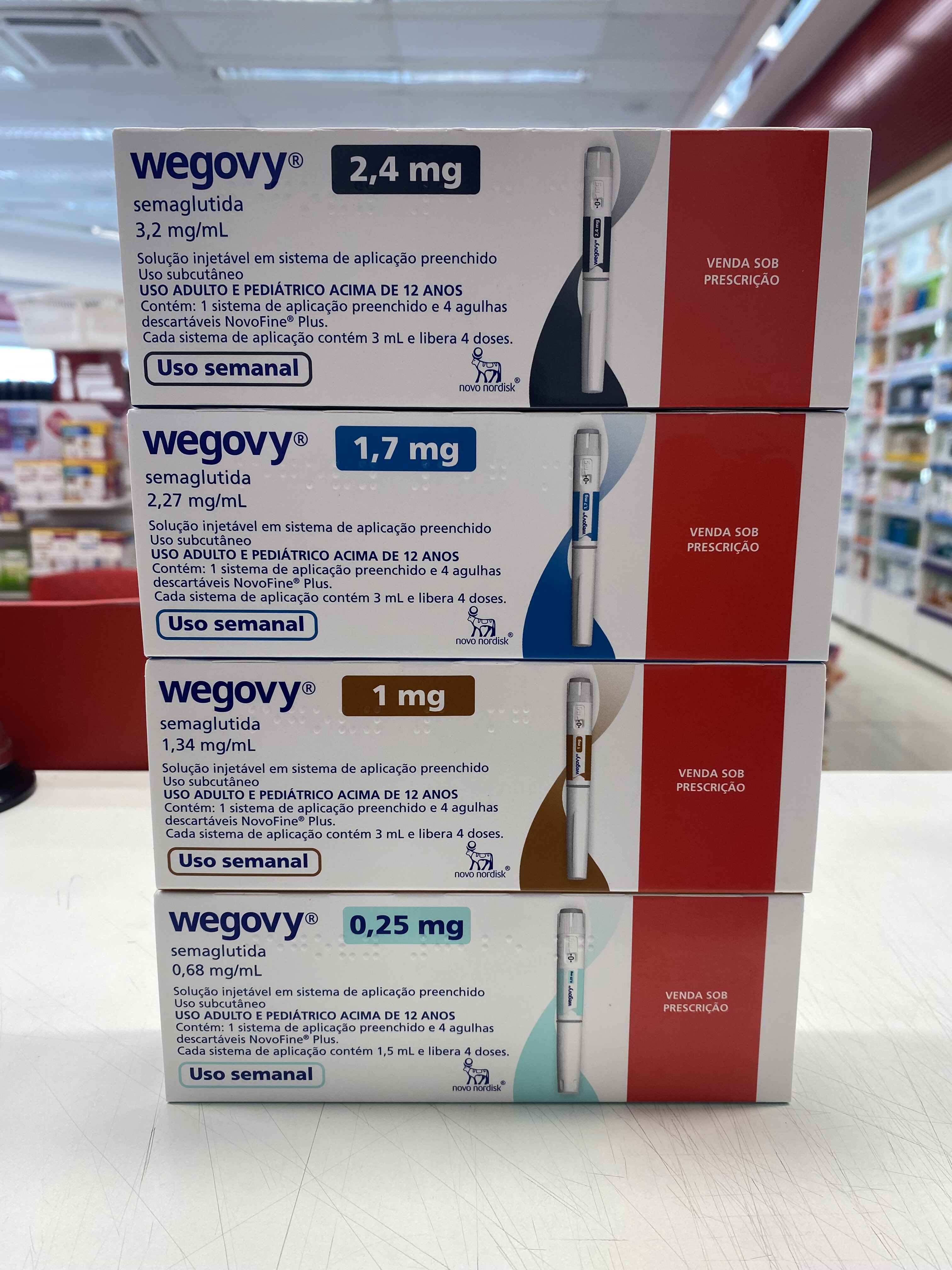
The program covers four medications: Eli Lilly’s Foundayo tablets and Zepbound KwikPens, and Novo Nordisk’s Wegovy injections and oral tablets. To qualify, seniors must carry a body mass index of 35 or above, or a BMI of 27 or higher alongside a concurrent condition such as a prior heart attack, stroke, or prediabetes diagnosis. Enrollees cannot already hold insurance that covers diabetes, sleep apnea, or related metabolic conditions. The program runs through December 2027 as a trial, with its future contingent on cost and outcomes data gathered over that period.
The gap that Tuesday’s launch closes has been, in the eyes of obesity specialists, a medically indefensible anomaly. A Medicare patient with Type 2 diabetes could access semaglutide through existing coverage. A patient with obesity and no diabetes diagnosis, often carrying equal cardiovascular risk, could not. The bridge program now treats obesity as what most major medical societies have long classified it: a chronic disease warranting pharmaceutical treatment on its own terms, not through a metabolic workaround.
“This is something they and their families have been waiting for,” said Jamey Millar of Novo Nordisk, in remarks Fox News reported from Tuesday’s announcement.
But coverage at this scale surfaces a clinical concern that had less urgency when GLP-1 drugs were effectively out of reach for most seniors. Dr. Micah Eimer, an internist who has followed prescribing patterns in this drug class closely, has flagged the risk of hypotensive effects in older patients. Blood pressure drops can be amplified in someone already on antihypertensives or diuretics when rapid early weight loss begins. Falls remain among the leading causes of hospitalization and lasting injury for adults over 65, and blood pressure instability is a recognized trigger. The risk is not a case against expanded coverage; it is a reminder that physicians managing elderly patients on multiple medications will need to recalibrate their approach. Prior reporting has documented how GLP-1 prescribing has already generated a rise in avoidable adverse events, most stemming from incomplete patient counseling rather than the drugs themselves.
The pricing shift is historic. Wegovy has carried a monthly list price between $1,350 and $1,650. Zepbound has cost approximately $1,086. At $50, the bridge program does not merely discount these medications; it removes cost as the primary barrier for the population most likely to need them. Roughly 70 percent of Medicare enrollees are classified as overweight or obese, and the program targets the highest-risk subset of that group.
Whether the sudden expansion of eligible patients will strain supply is a question CMS and the manufacturers have not addressed directly. The FDA’s drug shortage database no longer lists semaglutide or tirzepatide as constrained, but an opening of coverage to 10 million potential new patients is a stress test that has not been run at this scale before.
The launch also marks the end of a months-long commercial race between Novo Nordisk and Eli Lilly. Both companies worked through 2025 and into 2026 to secure tablet formulations alongside their injectable products, and both made the cut. The competition to finalize pill versions of their respective drugs before the Medicare bridge opened ended with Foundayo tablets and Wegovy tablets both included in Tuesday’s rollout, giving seniors who cannot or prefer not to self-inject an oral alternative for the first time.
The clinical evidence behind GLP-1 drugs has continued to accumulate. Studies have linked consistent use to meaningful reductions in cardiovascular events. Separate research has documented a significant reduction in breast cancer incidence among long-term GLP-1 users. Those findings have strengthened the public health argument for coverage expansion, and CMS has indicated it will track whether the bridge program produces measurable savings in hospitalizations and downstream disease burden.
The program carries a political subtext that CMS has not invited discussion about. Dr. Oz’s prominence as the launch’s public face has drawn scrutiny from health policy researchers given his prior associations with supplement promotions that drew regulatory rebukes. His backers argue that his profile helped cut through the bureaucratic resistance that had blocked GLP-1 coverage expansion for years. What is not in dispute is that the program has cleared CMS and that enrollments open now.
What remains unanswered is the cost. The CMS has not released formal projections of net federal expenditure, nor published estimates of the medical savings that could offset the program’s outlay. Whether the bridge pays for itself in avoided hospitalizations and reduced long-term disease burden will be the central question once the trial concludes.
For now, the seniors who begin enrolling this week carry that calculation. Some will lose weight and avoid the cardiovascular event their doctor warned was coming. Some will encounter side effects requiring careful management. Some will hit eligibility gaps that $50-a-month pricing alone cannot bridge.
What changed on Tuesday is that, for the first time, they have the legal standing to try.