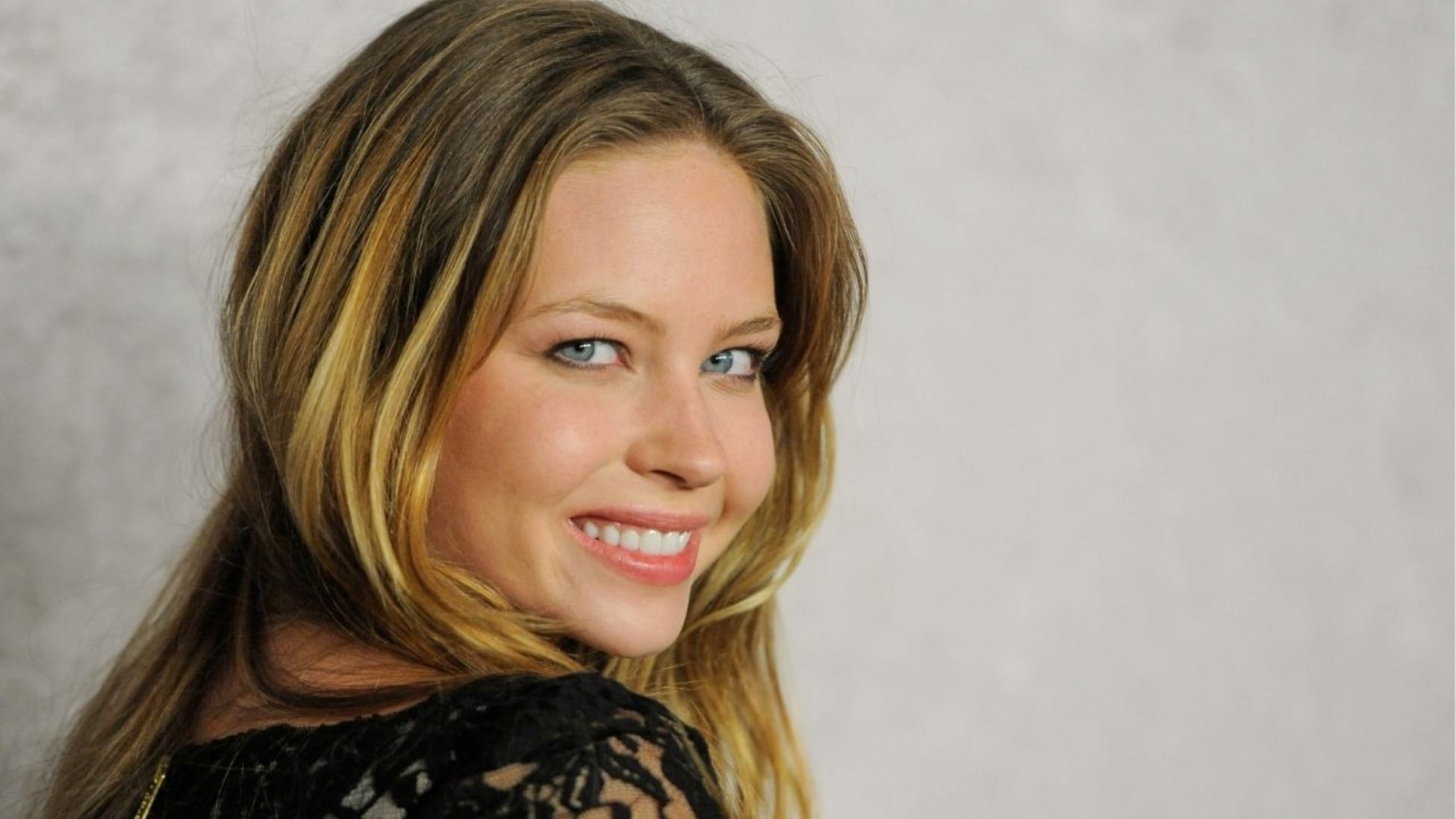

LOS ANGELES — Daveigh Chase was, by Melissa Gilbert’s account, bright, professional and easy to work with on a television pilot the two shot together more than twenty years ago. Gilbert also noticed something else on that set, something she did not have language for at the time and has spent the past two weeks trying to name.
Chase, the voice of Lilo in Disney’s “Lilo & Stitch” and the doomed girl in the well in “The Ring,” died June 16 at 35. The Los Angeles County medical examiner’s office ruled the cause complications of AIDS, compounded by septic shock and meningitis, with chronic polysubstance use listed as a contributing condition. She had been living unhoused in Los Angeles in her final months, her mother has said, after a 2016 motorcycle accident left her with a back injury, a prescription for oxycodone and, eventually, an addiction that outlasted the injury by a decade.
Gilbert did not wait for a formal statement to process what she was feeling. In an Instagram post this week, Variety reported, she described watching a young Chase on set and sensing “a push or need to perform … for her parents,” a phrase she chose carefully and let sit without elaboration. She did not accuse anyone by name. She did not claim to know what happened to Chase in the years after their pilot never aired. What she offered instead was an argument about the industry itself, built from a single memory she had carried, unspoken, for two decades.
“If I had the chance to speak to any parents who were thinking about getting their children in the industry, I would tell them to please, please make sure that they are doing it for the right reasons,” Gilbert wrote, laying out what amounts to a checklist: regular meetings with an accountant so the child knows what they are earning and where it goes, certainty that the work is something the child actually wants, a life outside the industry stocked with friends and ordinary responsibilities. She closed by asking parents weighing that decision to “memorize this sweet girl’s face and her story so that it never happens again.”
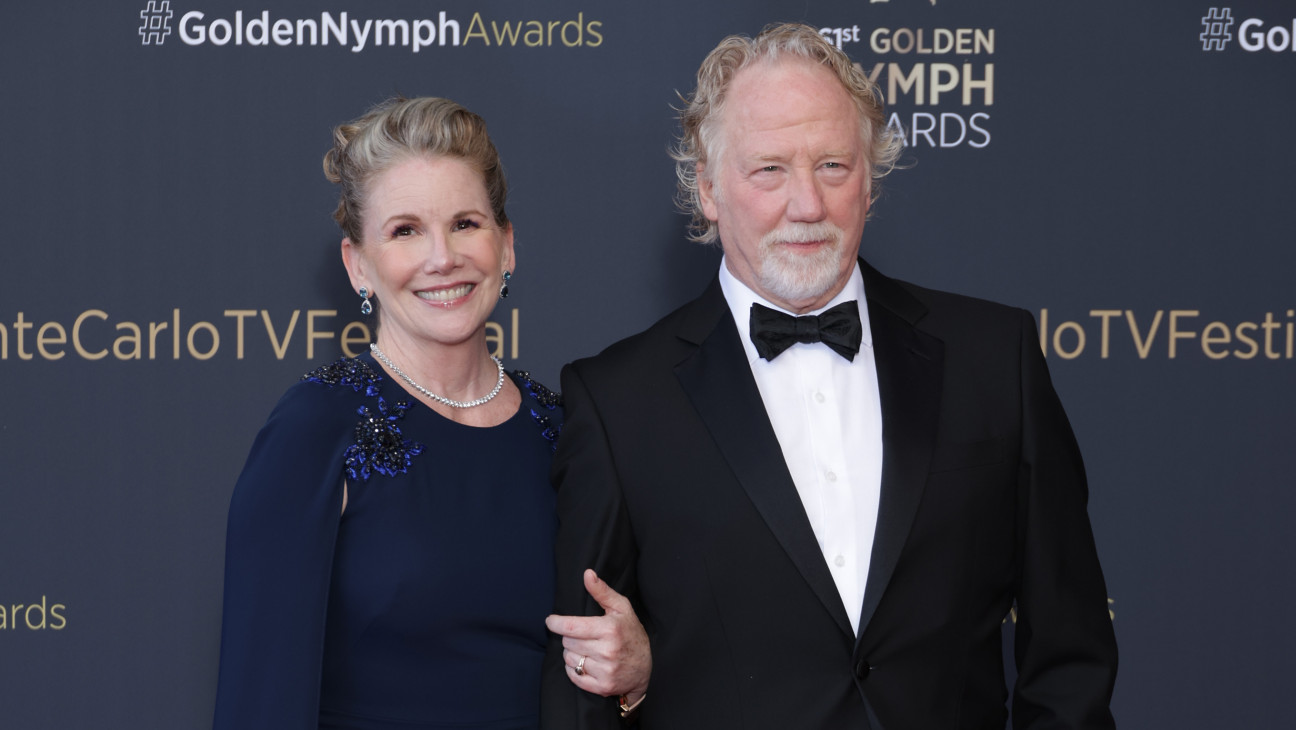
Gilbert, who spent nine seasons as a child and teenager on “Little House on the Prairie” before her own well-documented struggles with alcohol and cocaine in adulthood, is not a neutral observer of this territory, and she did not pretend to be. Her post reads less like an obituary than a warning issued by someone who survived a version of the same system. Child stardom, she wrote, is “not a guarantee of dysfunction,” a qualifier that matters because it draws a line her post otherwise threatens to erase: plenty of former child actors built stable adult lives, and Gilbert was careful not to suggest Chase’s outcome was inevitable simply because she started young.
What Gilbert’s account leaves unresolved is the exact mechanism she believes connects a parent’s ambition on a film set to an overdose and a death by AIDS-related complications two decades later. She was describing an impression, not a case file, and she has not claimed access to anything about Chase’s home life beyond what she personally witnessed on a single production. The stage-parent dynamic she flagged is a real and studied phenomenon in entertainment psychology, but Chase’s later struggles, the motorcycle accident, the opioid prescription, the years of substance use documented by her mother, followed a path that no single childhood memory can fully explain.
The response inside the industry has been immediate rather than argumentative. No producer, casting director or former colleague has publicly pushed back on Gilbert’s framing, and outlets covering the tribute have largely treated it as a shared moment of reckoning rather than a controversial accusation. That reception says something about how differently Hollywood now discusses the mechanics of putting children to work in front of cameras compared with twenty years ago, when a pilot like the one Gilbert and Chase shot would have wrapped, aired or not aired, and generated no public conversation about the adults standing just off camera.
The pattern Gilbert is pointing at is not unique to Chase. Matthew Perry’s death and the 15-year sentence handed down this year to the dealer who supplied his fatal dose reopened a similar conversation about wealth, access and addiction inside the industry, though Perry’s path into substance use began in adulthood rather than childhood. Britney Spears’ more recent legal and treatment history has kept the specific question of child stardom’s long tail in the news, though Spears is alive to speak for herself in a way Chase no longer can.
Chase’s mother has said little publicly beyond confirming the timeline of the accident and the addiction that followed it. No memorial service details have been made public, and Disney, which built a two-decade media franchise around the character Chase voiced at age nine, has not issued a statement. What remains, for now, is Gilbert’s post, still circulating, still being read by parents who may or may not recognize themselves in the sentence she chose not to finish.