
WASHINGTON — In the year Donald Trump returned to the White House and bent American crypto policy toward an industry that had backed his campaign heavily, his personal financial accounts registered gains that even the most aggressive crypto investors would struggle to replicate.
His 2025 financial disclosure, filed this week with the Office of Government Ethics, shows the president earned over $1 billion from crypto in a single calendar year. The figure is not an anomaly in an otherwise varied portfolio. The disclosure reads less like a financial statement than a record of what happens when the industry being regulated and the person doing the regulating operate from the same set of financial interests.
The bulk of the money came from the TRUMP memecoin. The president collected approximately $635 million in royalties from the coin in 2025, according to CoinDesk, which reviewed the filing in detail. The memecoin launched days before Trump’s inauguration in January 2025 and was understood from its earliest days as a mechanism for channeling money toward Trump-affiliated entities through royalty arrangements. At its peak, the coin made Trump, through affiliated structures, the largest single beneficiary of any digital token in recent US financial history.
World Liberty Financial, the crypto lending and borrowing platform that Trump and members of his family maintain ownership stakes in, added another dimension. Token sales generated more than $500 million, with a further $65 million from the direct sale of equity in the entity. The company has operated without the kind of regulatory disclosure ordinarily required of financial platforms, a gap its critics attribute in part to a regulatory environment Trump’s own administration shaped to accommodate it.
The remaining portfolio is substantial even without the headline figures. Bitcoin holdings across multiple entities are valued at more than $50 million. Ethereum positions run between $25 million and $50 million. Equity stakes in CoreWeave, a bitcoin miner, and a stablecoin holding company produced more than $196 million in combined revenue. Additional positions include USDC stablecoin accounts and stock in Coinbase, CME, Block Inc., and Intercontinental Exchange.
What makes the disclosure significant is not the sum alone but the sequence. While Trump was collecting over a billion dollars from crypto, his administration was writing the industry’s regulatory framework. The GENIUS Act, signed into law earlier in his term, established the first federal framework for stablecoins. The Digital Asset Market Clarity Act is now moving toward a Senate floor vote before August, and Eastern Herald has reported that it contains significant gaps in corruption-prevention provisions that lawmakers have not addressed. Eastern Herald also reported this week that JPMorgan Chase is lobbying against a stablecoin yield provision that would allow non-bank platforms like World Liberty Financial to attract consumer deposits at scale.
The ethical question is structural. No previous American president held personal financial stakes in a regulated industry at this scale while simultaneously controlling the regulatory apparatus governing that industry. Trump’s defenders argue that financial disclosures demonstrate transparency rather than concealment. His critics see something else. During the GENIUS Act debate, Democratic senators demanded that senior administration officials be barred from holding personal crypto business interests while shaping crypto policy. The demands went nowhere.
Bitcoin fell roughly 50 percent from its 2025 all-time high during the calendar year the disclosure covers. The correction did not materially reduce Trump’s financial position, suggesting that the royalty and equity structures underlying his crypto earnings were designed to capture value independent of token price movements. An investor who held the TRUMP coin from its January 2025 peak and sold at the year’s lows would have lost the majority of their investment. The president’s royalty arrangements insulated him from the same risk.
No document establishes a direct causal link between Trump’s legislative choices and his personal financial positions. The chain of evidence would require internal records that financial disclosure law does not mandate and that the Trump White House has not volunteered. What the disclosure demonstrates is the coincidence in scale: a president pursuing what the CoinDesk review of the filing describes as “aggressively pro-crypto policies” while pocketing, in the same year, a sum larger than the annual budget of several federal regulatory agencies combined.
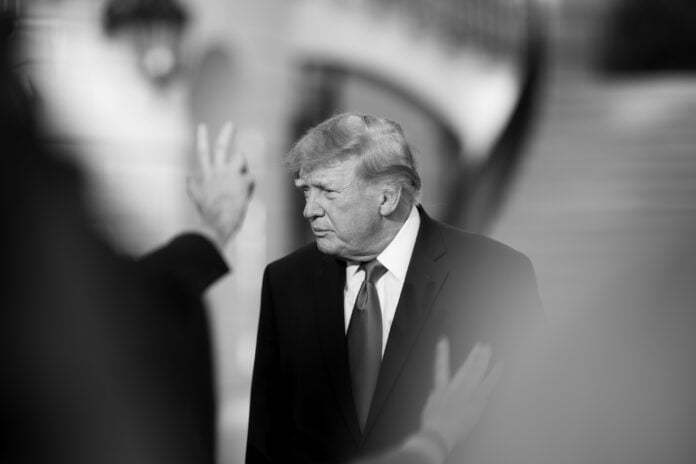
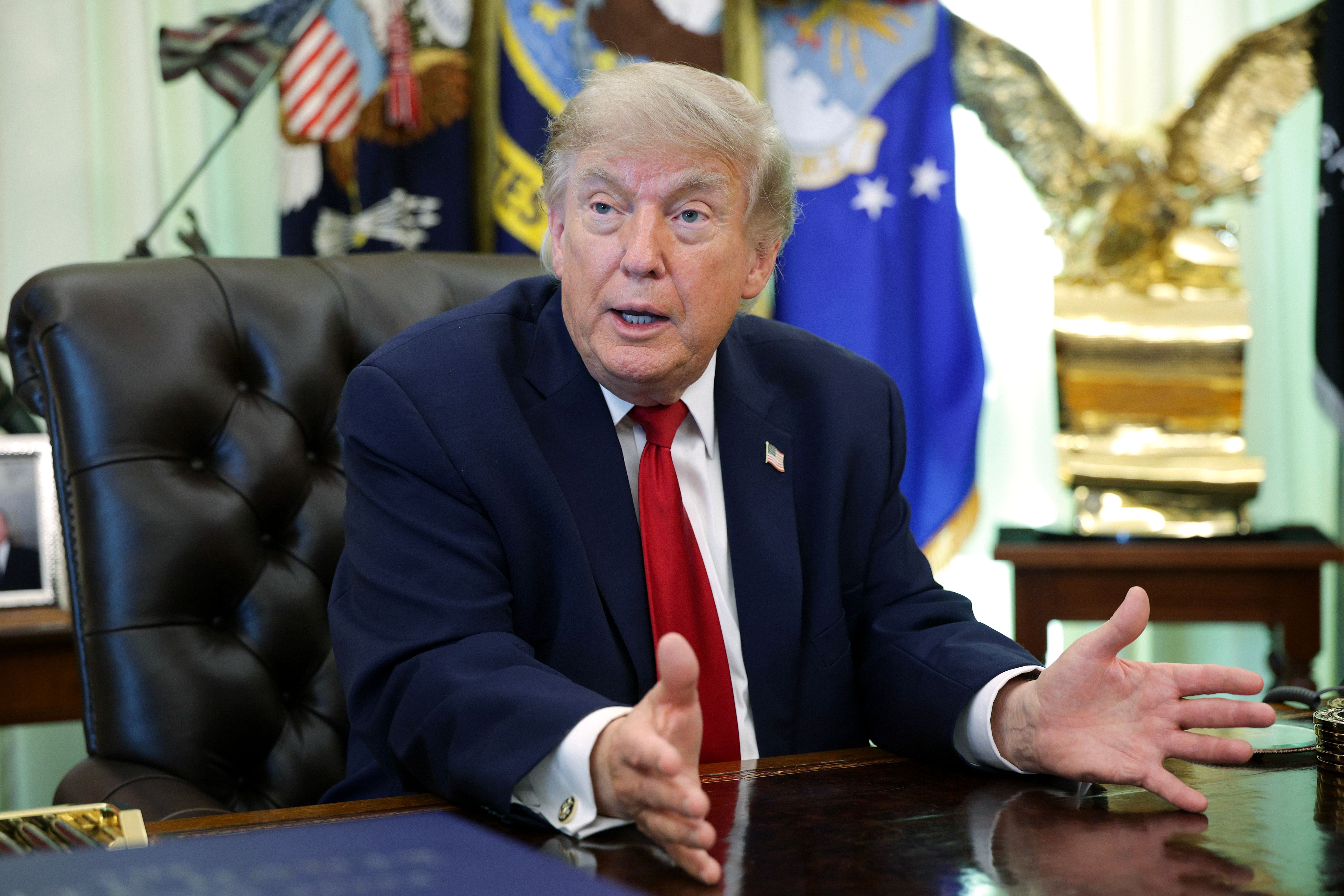
Asked about the earnings at a press appearance this week, Trump was unapologetic. “Everybody’s profiting,” he said. “We should all only hope for such great rates of return.” Whether the country’s chief regulator should be profiting from the same market he oversees, at rates that dwarf what any retail participant could reasonably achieve, is a question the disclosure does not answer. Congress has not required one. The Senate is scheduled to vote on the next chapter of crypto legislation before August.