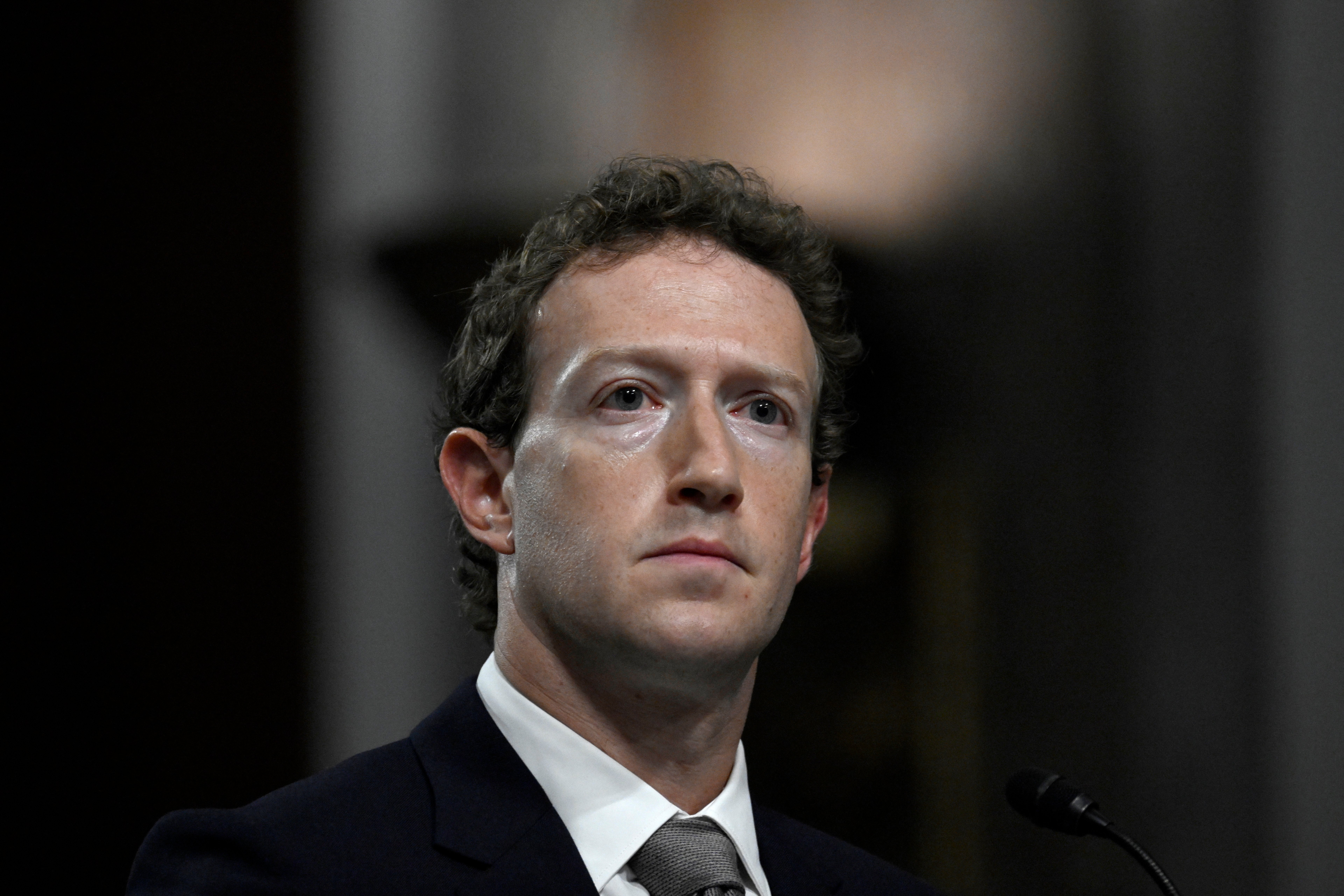

SAN FRANCISCO – Zuckerberg’s bet looked clean on paper. Lay off ten percent of the company. Reassign seven thousand engineers to artificial intelligence. Spend more than a hundred billion dollars building the hardware to run it. Then watch AI agents transform how Meta’s products work. On Thursday, in an internal town hall, Zuckerberg told the people he kept what has happened since: not much, not yet.
The pace of AI agent development had not “accelerated in the way” Meta executives expected, Zuckerberg said at the meeting, according to TechCrunch, which covered the remarks. The admission came roughly six months after Meta announced it would lay off approximately 8,000 employees – one in ten workers – and redirect more than 7,000 additional staff to AI-focused groups, including one created specifically for the task and named, with strained optimism, Agent Transformation.
What Zuckerberg told the town hall was not that the investment was wrong. It was that the timeline was. The company had expected agent capability to follow from infrastructure spending at a rate that has not materialized. He expects things to improve in the next three to six months – a hedge that keeps the direction intact while pushing the proof point forward.
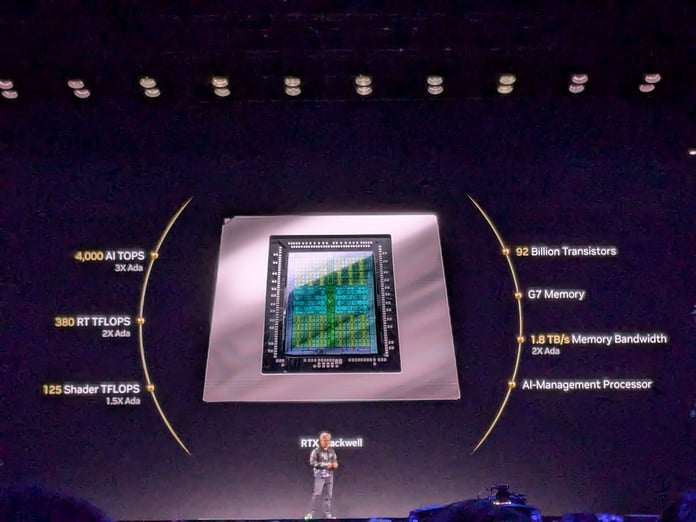
The acknowledgment carries unusual weight because of what Meta has spent to arrive at it. The company has projected capital expenditure of roughly $145 billion in 2026, a figure that dwarfs anything competitors except Google and Microsoft are committing. That money has gone into data centers, into Nvidia chips, and into the teams – 7,000 of them reassigned – who are supposed to be building what that infrastructure runs. On Tuesday, Zuckerberg announced Meta Compute, a new cloud business to sell off surplus capacity from that infrastructure to outside companies. The announcement drove Meta shares up 8 percent and cratered CoreWeave and Nebius. It was supposed to be evidence that the buildout was paying off. Two days later, the CEO told staff the core product thesis of all that building – agents – hadn’t kept pace.
AI agents are software systems that can take multi-step actions on behalf of a user: booking travel, writing and executing code, searching and synthesizing, managing workflows. They represent the clearest commercial path from large language models to products that people use without thinking about prompts. Every major platform company has staked a version of its future on them. Google released Gemini Spark on Mac last week, its agentic assistant capable of reading and acting on files already stored on a user’s hard drive. Apple built a native AI agent interface directly into Safari, using the Model Context Protocol developed by Anthropic. Both are in active deployment.
Meta’s version has a dedicated team and a name. What it does not yet have, by Zuckerberg’s own account, is acceleration.
The reasons for the gap are not spelled out in what Zuckerberg told the town hall. He did not specify whether the technical challenge is at the reasoning layer – getting models to plan and sequence actions reliably – or at the integration layer, where agents need to connect to real systems without failing. Nor did he address whether Meta’s approach to agent architecture differs from competitors’ in ways that might explain the divergent timelines. Those are the questions the Agent Transformation group is presumably working on, and they are the questions Thursday’s town hall left unanswered.
Zuckerberg also said the restructuring had not been as “clean” as intended – a remarkable admission from a company that described the layoffs in early 2026 as necessary precision surgery, cutting underperformers and redirecting talent. The suggestion is that eliminating 8,000 roles and adding back 7,000 in new AI-focused positions has created organizational friction the company had not fully priced in. Moving humans through a restructuring costs time and attention that has nothing to do with whether the transformer architecture underpinning the agents is sound.
The three-to-six-month window Zuckerberg offered is careful. Long enough to be plausible, short enough not to read as an indefinite delay. What it does not say is what, specifically, is expected to change – which technical capability will unlock, which product will ship, which benchmark will move. Without that specificity, the timeline is a statement of intent, not a forecast. Meta has given no indication of what success looks like in October.
The broader issue the town hall surfaces is one the AI industry has been reluctant to examine directly: the relationship between infrastructure investment and agent capability is not linear. More compute helps with model scale. It does not automatically translate into the reasoning depth, multi-step reliability, or memory management that would make agents genuinely useful for complex tasks rather than simple ones. Zuckerberg built the machine. He is now learning that building it was the easier half.
Related Posts