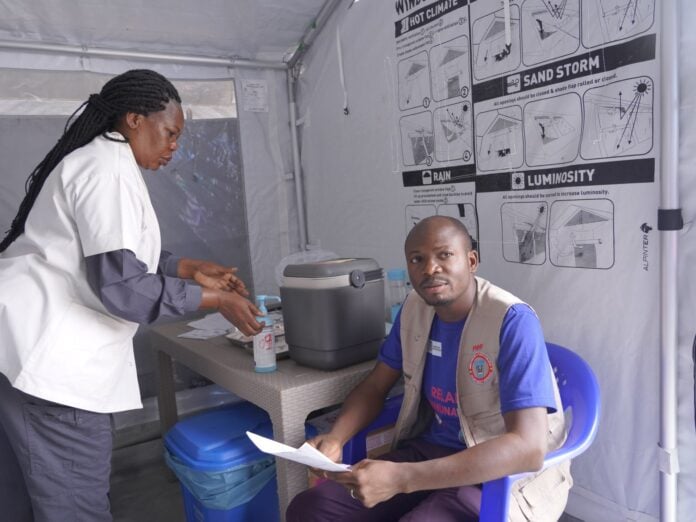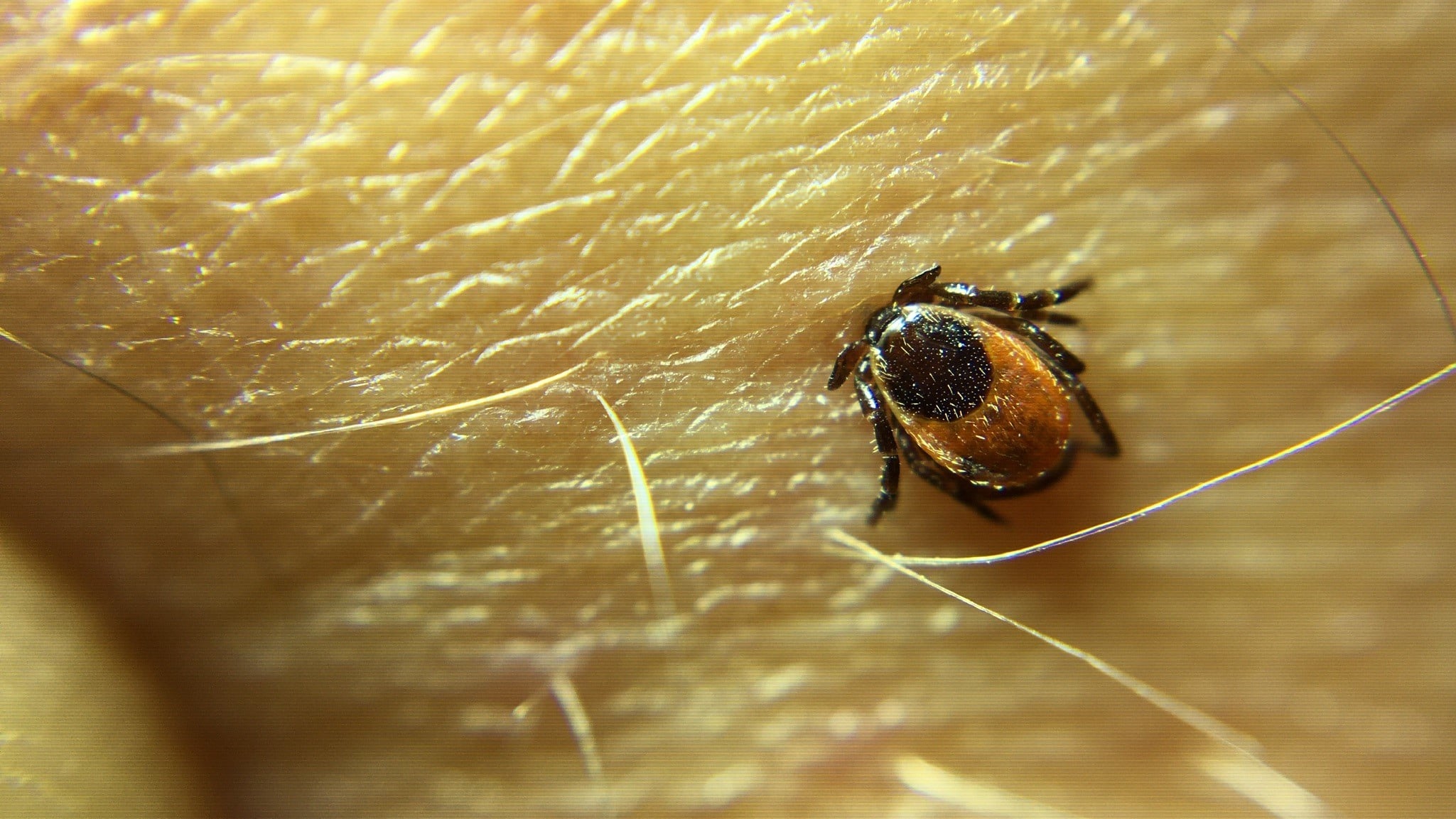

WASHINGTON – At Camp Edwards YMCA outside East Troy, Wisconsin, counselors spend part of every evening helping children check for ticks after outdoor activities. Maggie Windon, seventeen, found one embedded in the front of her leg this season and another in the back in the same day. “I’ve seen so many just crawling on kids’ shirts,” she said. “It’s a lot more than I’ve seen before.” The counts she is watching are reflected in federal surveillance data: the United States is experiencing the highest rate of emergency room visits from tick bites since 2017, according to the Centers for Disease Control and Prevention’s tick bite data tracker.
The timing is not incidental. Tens of millions of Americans will spend July Fourth outdoors over the coming days, in the parks, campgrounds, and backyards where ticks are most active. This year they are heading into a season that public health officials describe as distinctly worse than normal, one in which the geography of risk is shifting faster than many people outside the affected communities realize.
Rebecca Osborn, an epidemiologist at the Wisconsin Department of Health Services, has tracked the movement of tick species across the state for years. “It’s definitely concerning to see new ticks in new areas and then diseases that follow,” she told CBS News. The mechanism is not complicated: warmer winters reduce tick mortality and allow populations to survive in counties where freezing temperatures once held them in check. “Warmer temperatures can bring ticks into new areas,” Osborn said. That expansion is now measurable across much of the Midwest and Northeast.
Among the illnesses spreading with tick populations, Powassan virus has attracted particular concern. Unlike Lyme disease, which generally requires a tick to be attached for thirty-six to forty-eight hours before transmission, Powassan can be transmitted within minutes of a bite. It attacks the central nervous system and can cause memory loss, difficulty speaking, and seizures. There is no specific antiviral treatment. The virus was once confined to remote northern regions, but its range has broadened as the blacklegged tick that carries it has expanded south and west into territory where it was previously absent.
The lone star tick presents a different kind of problem. Native to the American Southeast, it has moved steadily into the Midwest and Northeast over the past two decades. Its bite can trigger alpha-gal syndrome, an immune response that causes some patients to develop a lasting (sometimes permanent) allergy to red meat and other mammalian food products. The allergy can manifest hours after eating, making its connection to a tick bite from days or weeks earlier difficult to recognize. The CDC launched a dedicated surveillance program for alpha-gal syndrome after evidence accumulated that its prevalence was far higher than previously suspected.
Lyme disease, the most frequently reported tick-borne illness in the United States, is caused by the bacterium Borrelia burgdorferi and transmitted by the blacklegged tick. The CDC estimates roughly 476,000 Americans are diagnosed with it each year. Its range, once largely confined to the Northeast and parts of the upper Midwest, now includes counties across a much wider band of the country. “Sadly, despite all of our education about tick bite prevention, we are seeing all tick-borne diseases increase,” Osborn said.
The CDC’s guidance on preventing infection centers on two things: limiting exposure and acting quickly when a tick is found. Removal within twenty-four hours substantially reduces the risk of Lyme disease transmission. The agency recommends using fine-tipped tweezers, grasping the tick as close to the skin as possible and pulling upward with steady, even pressure. Twisting the tick during removal can leave mouth parts behind. Anyone who develops a rash or fever in the days or weeks that follow should contact a clinician and report the tick exposure, since symptom timelines vary by disease.
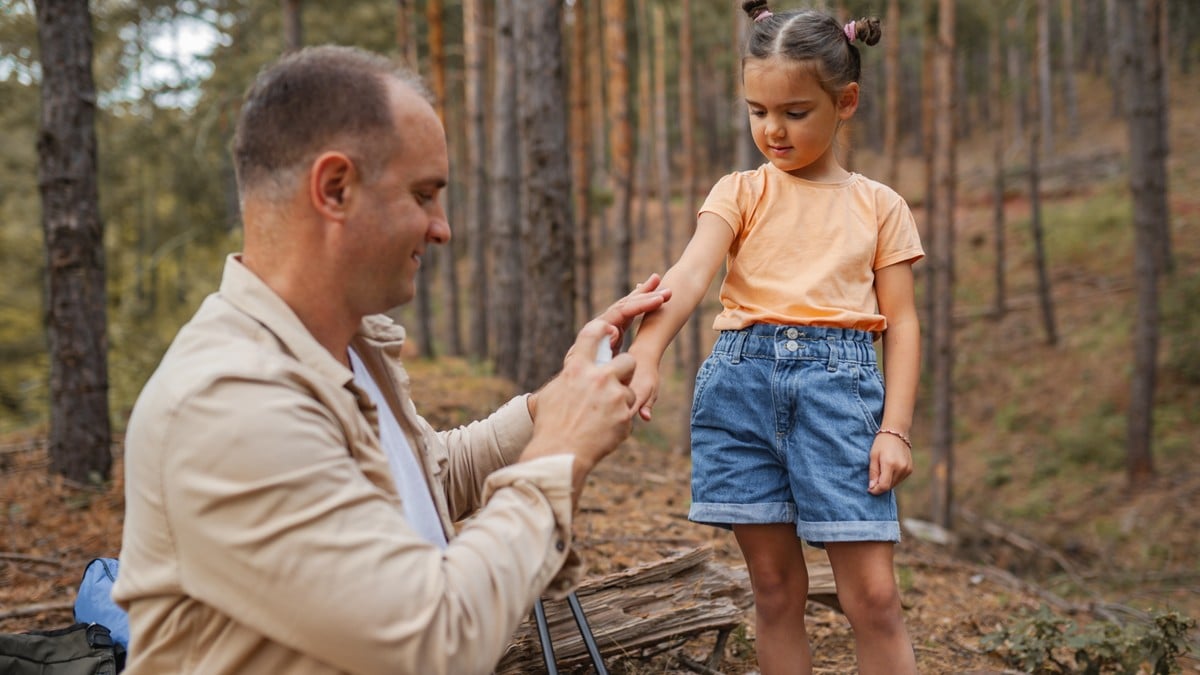
For the holiday weekend, the CDC advises wearing long pants and long sleeves in wooded or grassy areas, tucking pants into socks, and using an EPA-registered insect repellent that specifically covers ticks. Not all repellents do. Treating clothing and gear with products containing 0.5 percent permethrin can deter ticks for multiple wash cycles. At the end of any outdoor activity, a full-body check should include the hairline, behind the knees, inside the ears, and around the waist, where ticks commonly migrate after landing on skin.
At the YMCA camp in Wisconsin, Torie Hall, also seventeen, described the tick check as part of the daily structure now. “We can help them check their hair and the back of their neck,” she said. The counselors are not alarmed, but they are more attentive than in previous seasons. The ambient signal they are picking up this summer, unusual volumes of ticks on clothing and multiple embedded ticks on individual campers in a single day, is the kind of ground-level observation that public health officials have been waiting to see confirmed in hospital data. Now it is.
What the emergency department data do not establish is precisely why 2026 is running higher than recent years. Whether the increase reflects a genuine rise in tick abundance, greater outdoor activity after several indoor-oriented years, improved reporting by emergency departments, or some combination remains unresolved. The CDC uses syndromic surveillance from the National Syndromic Surveillance Program to track these visits, a methodology that captures volume without explaining cause. That question will take another season of tick population surveys and confirmed disease case counts to answer properly, and those data are not yet available.
The CDC’s tick bite tracker rarely draws national attention outside of outbreak years. That it does so now, in the same summer the agency is reporting West Nile virus activity at its highest level since 2004, suggests a broader pattern of vector-borne disease pressure rather than an isolated seasonal spike. The United States death rate fell to a record low in 2025, a reminder that aggregate health trends and specific seasonal threats can move in opposite directions at the same time. For the July Fourth weekend, the guidance is consistent and practical: wear long sleeves into the grass, check when you come inside, and do not ignore a rash.