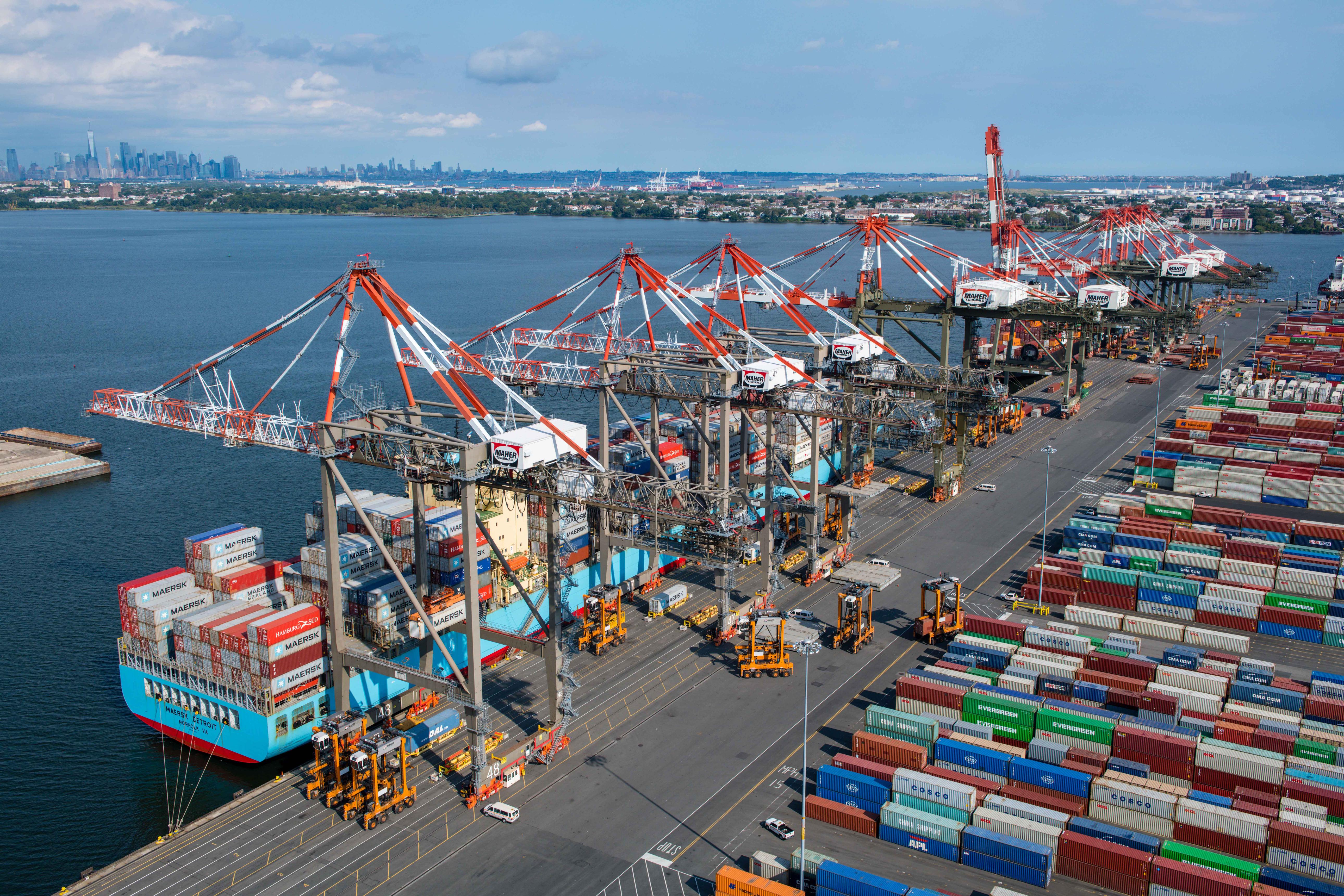

American companies are investing aggressively in artificial intelligence, pouring billions of dollars into servers, semiconductors and advanced computing equipment. At the same time, that spending spree is widening the nation’s trade deficit at a pace few economists anticipated, creating a fresh headwind for economic growth just as policymakers were hoping momentum would strengthen.
New figures released Tuesday by the Commerce Department showed the US trade deficit widened 42.2% in May to $77.6 billion, the largest monthly gap in more than a year. Behind the headline was a striking imbalance: imports climbed sharply while exports retreated, illustrating how the country’s appetite for technology equipment continues to outpace demand for American goods abroad, according to Reuters.
Rather than reflecting a weakening domestic economy, the numbers point to one of its strongest engines.
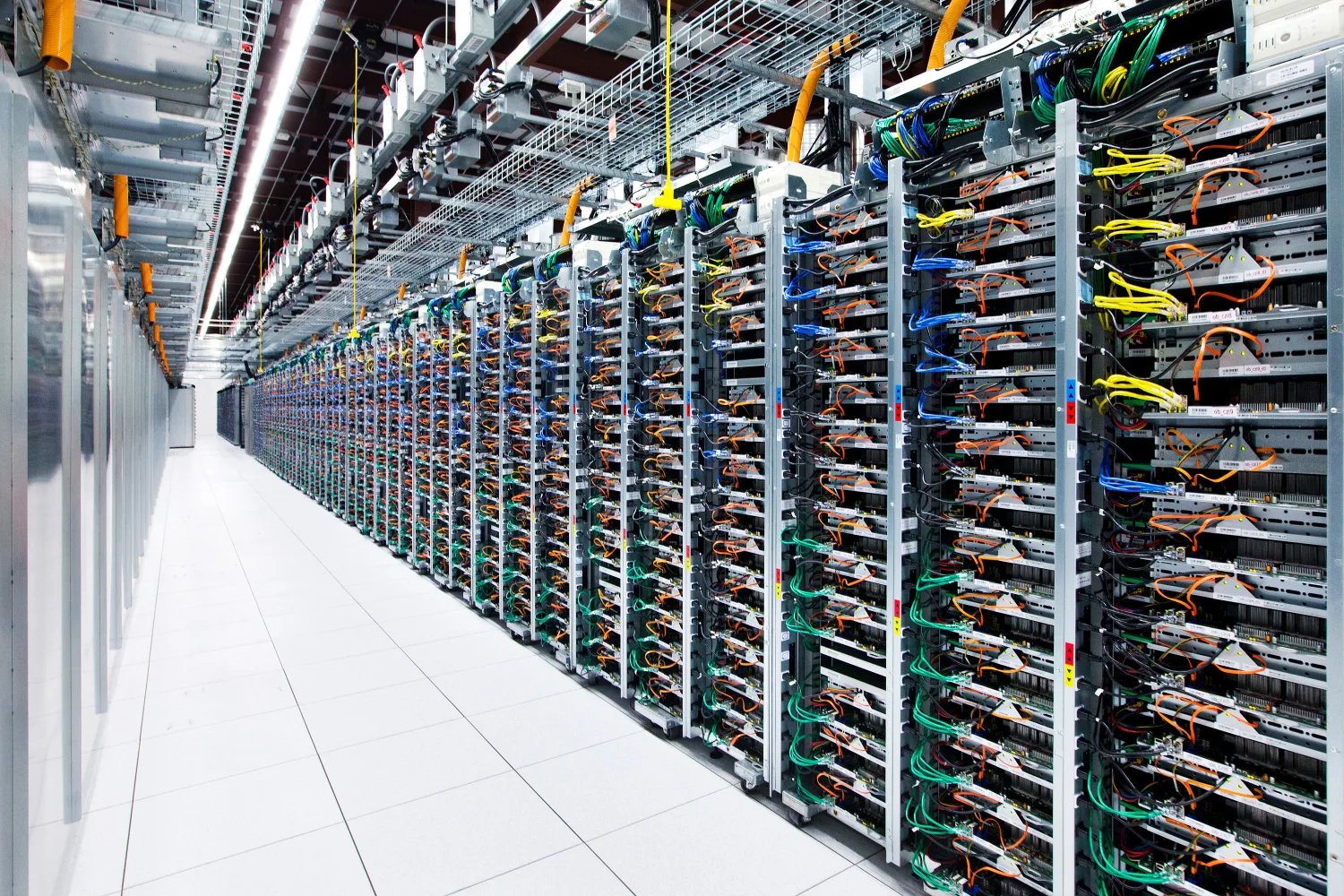
Businesses are racing to expand data centers, upgrade computing infrastructure and secure specialized hardware needed for artificial intelligence. Those purchases are increasingly arriving from overseas suppliers, sending imports of capital goods to a record $128 billion during May, according to Commerce Department data.
The surge has become one of the defining economic consequences of the AI boom.
Across industries, from cloud computing providers to manufacturers and financial institutions, companies are investing in technology that they believe will determine their competitiveness over the next decade. Much of that equipment, however, still depends on international supply chains, leaving the US importing more sophisticated machinery than it exports.
Total imports climbed 3.3% to $395.3 billion, while exports fell 3.2% to $317.7 billion. The combination produced a much wider trade gap than economists had projected and underscored how quickly business investment can reshape national trade flows.
For economists, the report presents a familiar paradox.
The same investment that promises stronger productivity and faster long-term growth also subtracts from gross domestic product in the short run because imported goods count against economic output in national accounting. Several analysts estimate the May figures alone could trim roughly 1.7 percentage points from second-quarter GDP growth if the pattern persists through the remainder of the quarter.
That apparent contradiction helps explain why investors often look beyond the headline trade balance.
The report also suggests companies remain cautious about the global trading environment.
Many firms accelerated purchases of equipment amid continuing geopolitical uncertainty and concerns that future tariff policies or supply disruptions could make critical technology components more expensive or difficult to obtain. Those precautionary purchases added further momentum to import growth during May.
Exports, meanwhile, moved in the opposite direction.
Sales of capital goods, industrial supplies and consumer products weakened during the month, while a stronger dollar made American products less competitive in international markets. One bright spot came from energy, with crude oil exports reaching a record high, and services exports also climbed to an all-time high as spending on travel and business services remained resilient. Those gains, however, were not large enough to offset the broader decline in merchandise exports.
The latest figures also arrive as trade policy once again occupies a central place in Washington’s economic agenda.
Businesses continue adjusting to evolving tariff policies and changing relationships with major trading partners. While uncertainty surrounding future trade measures has encouraged some companies to bring forward imports, it has also complicated investment planning across sectors that depend on global supply chains, according to a Wall Street Journal report.
The composition of the deficit offers another important insight.
Unlike previous periods when rising imports were driven largely by consumer spending, May’s increase reflected demand for productive assets. Companies imported computers, electronic components, machinery and other equipment designed to expand manufacturing capacity and accelerate AI deployment. Economists generally view those investments differently from increases driven by consumer goods because they have the potential to generate higher productivity over time.
Even so, the trade figures reinforce the challenges facing the US economy in the months ahead.
Growth remains supported by robust corporate investment, a resilient labor market and continued technological expansion. Yet stronger domestic demand is increasingly translating into larger import volumes, while overseas demand for American goods has softened.
Whether that imbalance proves temporary may depend on several factors, including the trajectory of the dollar, the health of major export markets and the pace of AI-related investment. Earlier trade data had already pointed to a sharp rise in goods imports, while April trade data showed a much narrower deficit before the May surge.
For now, May’s report captures an economy being reshaped by one of the most significant technology investment cycles in decades. The rush to build the infrastructure behind artificial intelligence is driving unprecedented demand for imported capital goods, strengthening the foundations for future growth while simultaneously widening the trade gap and complicating the economic picture for policymakers.