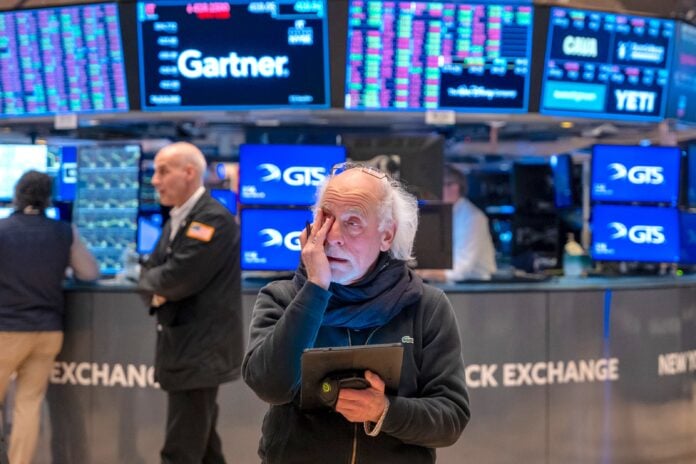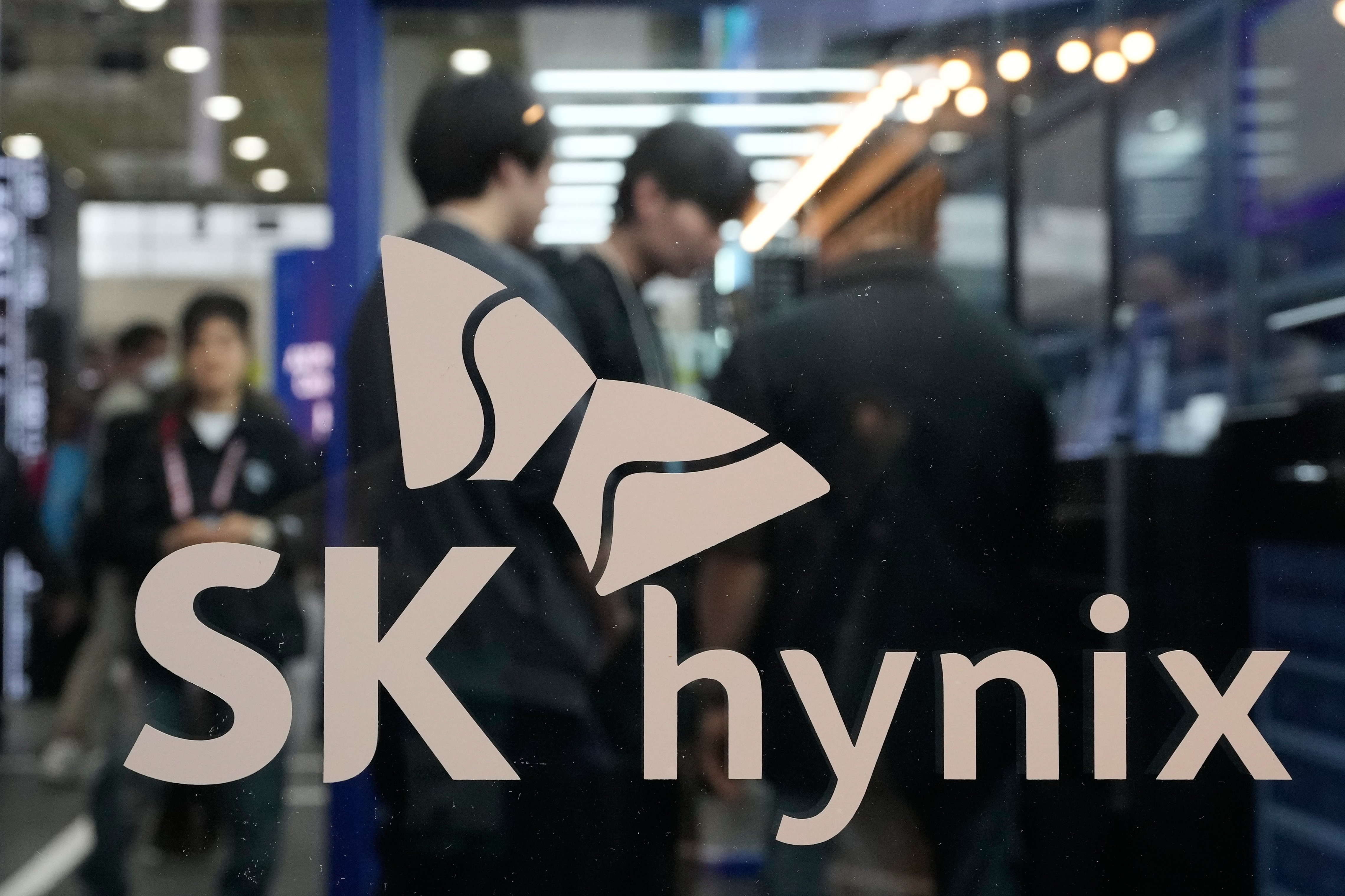

NEW YORK – The first trade in SK Hynix shares on the Nasdaq came in at $170. The listing price had been $149. In the time it took for the opening print to flash across terminals on Thursday morning, the South Korean chipmaker had notched a market capitalization that briefly exceeded $220 billion and broken a record that had stood for twelve years.
The company raised $26.5 billion in its initial public offering, selling 177.9 million American depositary shares at $149 each before the market opened. The deal surpassed Alibaba’s 2014 listing, which raised $25 billion and had held as the largest foreign-company IPO on a U.S. exchange. The order book for SK Hynix was oversubscribed seven times over, generating roughly $171 billion in investor interest for a transaction worth $26.5 billion.
The reception was, by any measure of investment appetite, a referendum on artificial intelligence.
SK Hynix is not a name that registers outside semiconductor industry circles the way Nvidia or Apple does. But the company supplies the memory chips that make large language models physically possible. Its high-bandwidth memory, a stacked three-dimensional type of DRAM designed to feed data to graphics processing units at speeds that conventional memory cannot achieve, accounts for roughly 60 percent of global supply. Nvidia, which relies on it to produce its H100 and H200 chips, is the company’s largest customer.
“The AI infrastructure buildout is real, and it requires HBM at scale,” said Dilin Wu, research strategist at Pepperstone. “SK Hynix is one of the very few companies that can actually supply it.”
The stock’s opening premium reflected that scarcity value. When the shares opened at $170 on Thursday, they were trading at roughly 6.8 times forward earnings, compared with Micron Technology’s multiple of 13 times. The comparison signals either a genuine belief in SK Hynix’s technology premium or a degree of enthusiasm that will need to be sustained by actual results.
SK Hynix posted net income of 40.34 trillion won in the first quarter of 2026, driven almost entirely by HBM sales to Nvidia. The company, headquartered in Icheon, South Korea, has invested heavily in expanding production capacity for HBM3E, the latest generation of its stacked memory product, at a time when demand from AI training clusters is outpacing the industry’s ability to manufacture the component.
“This is not a speculative bet on a future technology,” said Cameron Robertson, an analyst at a London-based fund that participated in the offering. “This is a company that already has a dominant market share in a product that every hyperscaler needs more of right now.”
The IPO was led by Goldman Sachs and Morgan Stanley, with pricing coming at the top of the marketed range of $140 to $149. The shares were sold under the ticker symbol SKHYV for the first three days of trading, after which the company expects to transition to its permanent ticker, SKHY.
Whether the opening-day enthusiasm translates to durable share price appreciation depends on what happens with Micron, SK Hynix’s primary American competitor in the HBM market. Micron has been ramping its own HBM production and signaled it expects to gain market share over the next two years. Samsung, the third major player, has faced quality control challenges with its HBM product that have delayed its entry into the Nvidia supply chain, a problem Samsung executives said in May they expect to resolve before the end of 2026.
“The competitive dynamics could shift, and the valuation doesn’t leave a lot of room for error,” said Alex Holmes, a portfolio manager in San Francisco who declined to participate in the IPO but bought shares in the secondary market on Thursday.
The listing carries political dimensions the deal’s bookrunners have been careful not to emphasize. South Korea is a major U.S. ally, and SK Hynix has announced plans to build a manufacturing facility in Indiana that will receive federal subsidies under the CHIPS and Science Act. The company’s executives have cultivated relationships in Washington with a deliberateness evident in the timing of the IPO, arriving at a moment when artificial intelligence has become a subject of bipartisan consensus even as almost nothing else in American politics has.
For the broader semiconductor sector, Thursday’s opening was a data point rather than a verdict. The South Korean government, which has long treated semiconductor dominance as a national security priority, called the listing “a testament to Korea’s place at the center of the global technology order.” Analysts noted that SK Hynix’s ability to sustain its market leadership will depend on its transition from HBM3E to HBM4, the next generation of the product, ahead of its competitors.
The $26.5 billion raised Thursday did not go directly to the company but to its existing shareholders, who were selling their stakes. SK Hynix has announced separately that it plans to raise an additional $3 billion through a concurrent bond offering to fund capital expenditures including its Indiana facility.
According to Al Jazeera, the order book that generated $171 billion in interest was an expression of appetite. Whether that appetite holds as the AI boom matures into something more prosaic, a business with costs, competition and commodity pricing, is a question Thursday’s opening did not answer and the next earnings cycle will be pressed to provide.