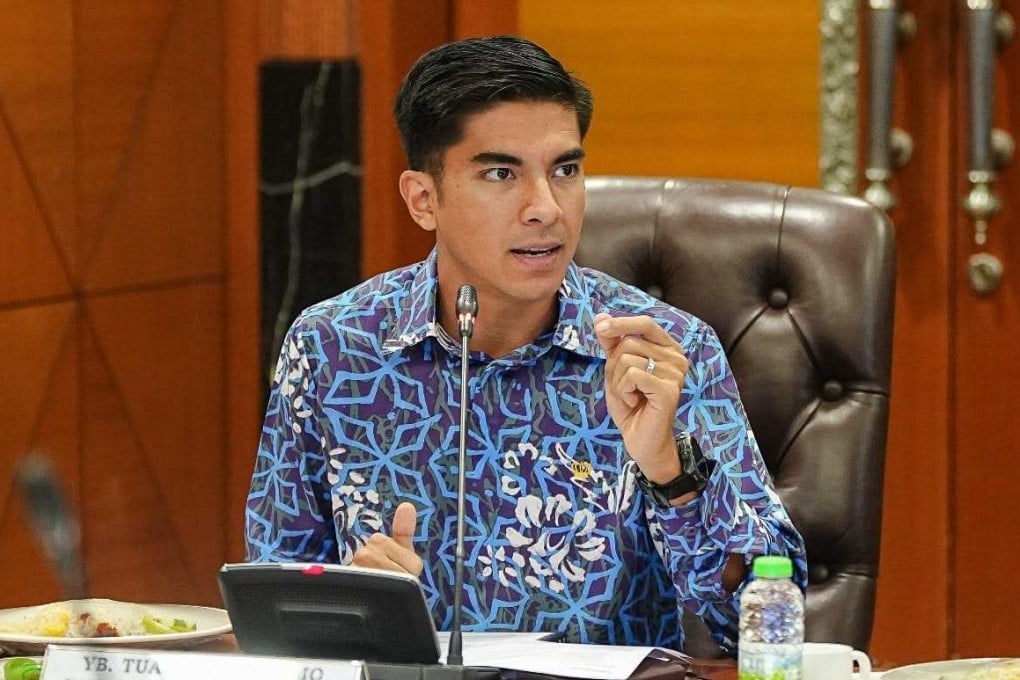

KUALA LUMPUR – For six years, Syed Saddiq Abdul Rahman sat inside courtrooms that threatened to end his political career before it had fully begun. On Monday, Malaysia’s Federal Court took that threat off the table.
In a 2-1 majority decision, the apex court dismissed the prosecution’s appeal and acquitted the 31-year-old opposition lawmaker and Muda party founder on all four corruption charges stemming from 120,000 ringgit allegedly misappropriated from Armada, the youth wing of the Bersatu party he once led. Judges Che Mohd Ruzima Ghazali and Collin Lawrence Sequerah voted to acquit; Abu Bakar Jais, the Court of Appeal president, dissented.
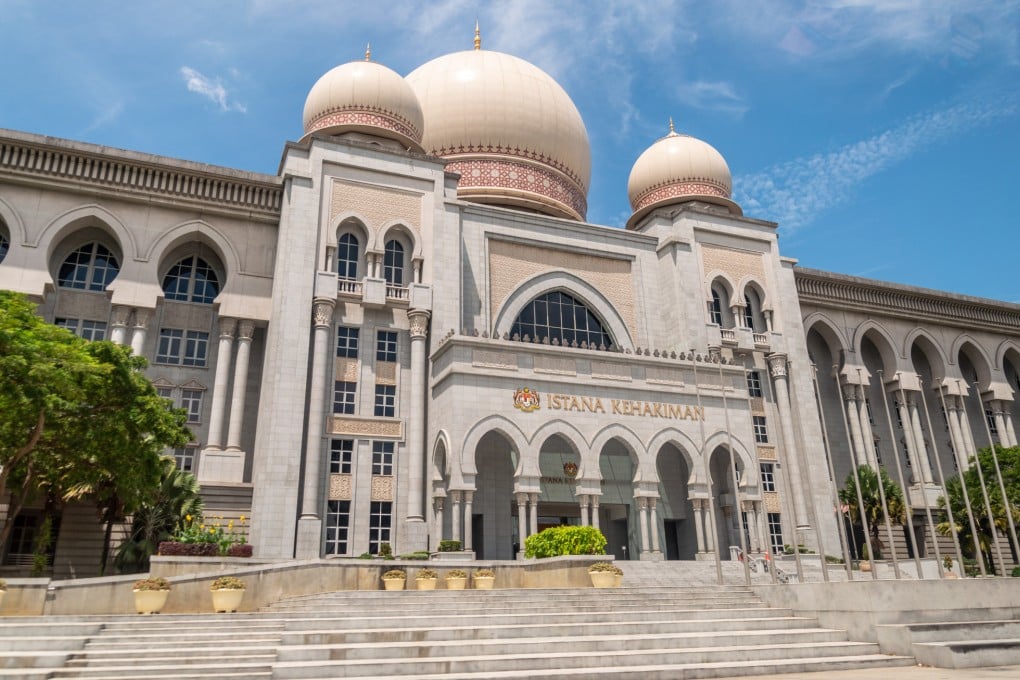
The acquittal, handed down at the Palace of Justice in Putrajaya, brought to a close one of the most watched political trials in Malaysian legal history and removed the single largest obstacle to Syed Saddiq’s continued public career.
The charges dated to his tenure as Bersatu’s youth chief in 2016. Prosecutors from the Malaysian Anti-Corruption Commission, known as the SPRM, alleged he had misappropriated the funds and arranged two related money-laundering transactions. The High Court initially acquitted him in 2023, finding the prosecution had not made out its case. The Court of Appeal reversed that decision in 2024, reinstating all four charges and sending the case to the Federal Court as the final arbiter.
In Monday’s ruling, the majority held that the prosecution had failed to establish a prima facie case on the elements required to sustain the charges, and that the Court of Appeal had erred in reversing the High Court’s factual findings without sufficient grounds. It was a decision that effectively returned the legal landscape to where the trial court had left it two years earlier.
The SPRM filed the original charges in 2020, the year Syed Saddiq resigned from Bersatu following the collapse of the Pakatan Harapan government. The political crisis, known as the Sheraton Move, saw senior figures defect to form new alliances, ending a fragile coalition that had won power in 2018 on a reform platform. Syed Saddiq was 27. He went on to found Muda, the Malaysian United Democratic Alliance, building it as a youth-centred opposition party, and was elected to parliament from Muar in Johor at the 2022 general election.
Throughout the six-year legal ordeal, the charges coloured every Muda fundraising pitch and every appearance Syed Saddiq made in the Dewan Rakyat, the lower house of parliament. The South China Morning Post, which reported the acquittal, described him as the most recognizable young politician in Malaysia, a status the litigation could neither extinguish nor confirm until the Federal Court ruled.
Prime Minister Anwar Ibrahim’s administration has faced persistent pressure over the direction of SPRM prosecutions, with critics across the political spectrum accusing the commission of selectively pursuing cases shaped by political rivalry. The Anwar government has maintained that SPRM operates independently. The Federal Court’s finding that the original acquittal had been correctly reached will be read, in some quarters, as an implicit rebuke of the appellate court’s 2024 intervention.
Syed Saddiq’s legal team had argued throughout that the case rested on a misreading of Armada’s financial structure and that the prosecution could not establish that he had personal control over the funds in question. The majority appeared to accept the core of that argument.
A conviction would have disqualified him from holding public office under Malaysian electoral law. With Monday’s acquittal, Syed Saddiq enters the next electoral cycle legally unencumbered, a position that sharpens his standing among voters who followed the case as a referendum on institutional pressure against young political reformists.
The verdict comes as Malaysian politics moves through a period of visible strain. In June, both Johor and Negeri Sembilan called early state assembly elections, the first serious test of Anwar’s unity coalition at the sub-national level. Syed Saddiq and Muda were positioned as potential spoilers in urban constituencies where their support base overlaps with younger voters who helped put Pakatan Harapan in government in 2022.
The ruling is also the latest in a series of high-profile corruption cases to produce a decisive outcome through the Malaysian courts. Former Prime Minister Najib Razak remains imprisoned after his conviction in the 1MDB scandal, one of the largest cases in Southeast Asian legal history. The evidentiary and factual basis of his case differs sharply from Syed Saddiq’s, but the contrast in outcomes illustrates the breadth of the Malaysian judiciary’s recent docket of political prosecutions.
The SPRM did not immediately respond to requests for comment on whether it intended to seek any further review of Monday’s ruling. Under Malaysian law, the Federal Court is the final domestic court of appeal, and its decision on Monday is not subject to further challenge within the country’s judicial system.
What comes next for Syed Saddiq politically remains genuinely open. Muda has struggled to translate its youth-driven energy into parliamentary seat counts, and the six years of litigation absorbed fundraising capacity and organizational attention that might otherwise have gone into party building. Whether Monday’s verdict releases that capacity into something electorally consequential, or whether his appeal remains primarily symbolic, is a question that will play out across the state and national electoral cycles still ahead.
For now, the Federal Court has ruled, and the charges are gone.