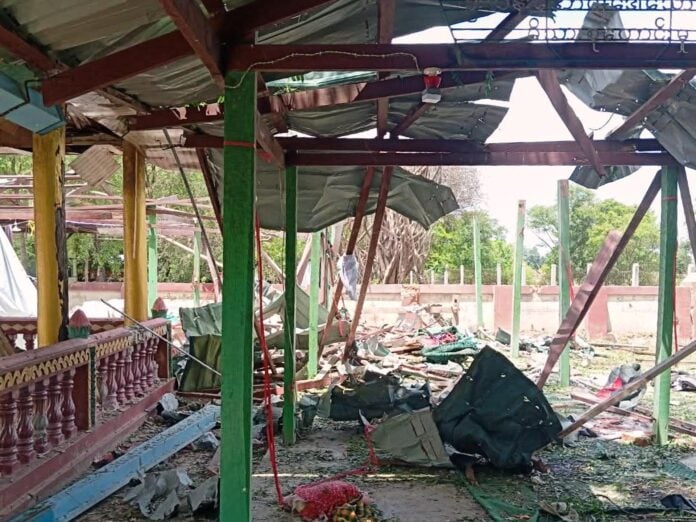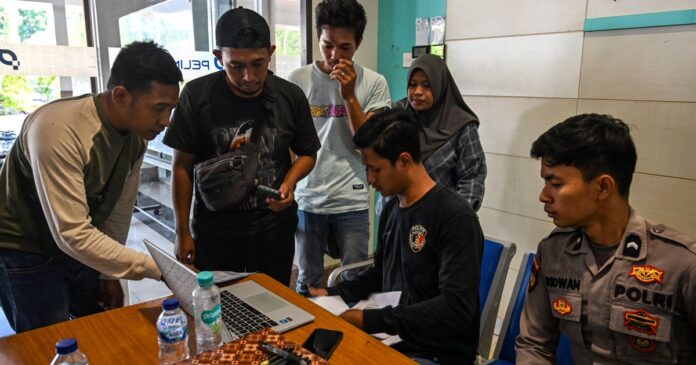

GENEVA – They came looking for work. The job listing was specific: a customer service role in Southeast Asia, competitive salary, English fluency required. Some found it on LinkedIn. Others received it through Facebook groups for university-educated professionals in their 20s and 30s. When they arrived, their passports were taken.
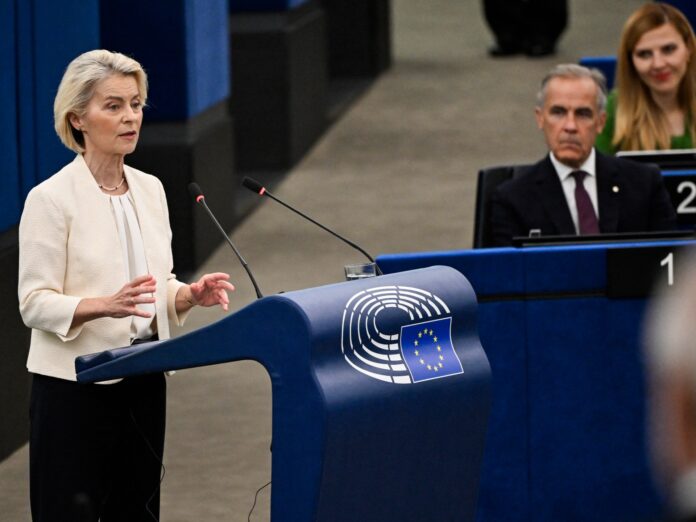
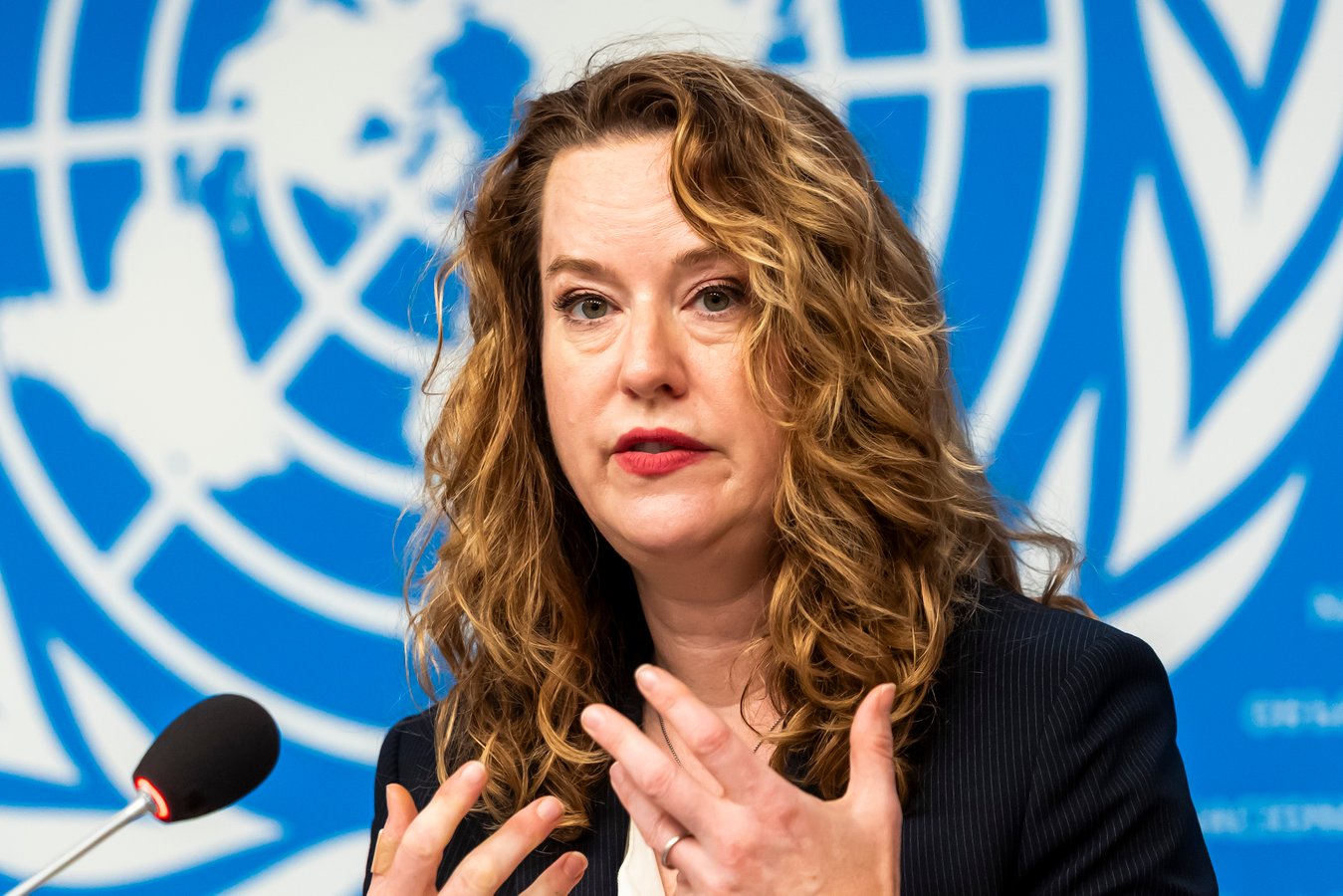
That is how 300,000 people ended up inside scam call center compounds in Myanmar, Cambodia, and Laos, the International Organization for Migration said Monday, describing what it called the fastest-growing form of human trafficking in the world. Speaking at a briefing in Geneva, IOM Director General Amy Pope said victims are held against their will, forced to conduct romance scams, investment fraud, and cryptocurrency schemes online, while living under the threat of physical violence and debt bondage that compounds daily.
The scale of the problem, Pope said, has outpaced every other trafficking form the organization currently monitors. What distinguishes this crisis from earlier Southeast Asian labor exploitation patterns is who is being targeted: college-educated English speakers from more than 80 countries, people with the professional credentials to be persuasive on the internet. The operators running the compounds are not looking for desperate workers. They are looking for effective ones. Pope told reporters the victims were not people who made a mistake, but people who had been “systematically deceived,” a characterization that carried direct policy weight, because when many of these same people eventually reach a border and encounter law enforcement, they are treated as perpetrators, not victims.
That is the central problem IOM is trying to push governments to address. The survivors carry digital evidence of their role in the fraud: their accounts made the calls, their names are on the transactions. Separating those who ran the operations from those who were enslaved inside them requires a legal framework and cross-border cooperation that, Pope acknowledged, does not yet exist in any systematic form. The IOM has assisted more than 3,500 survivors from 33 countries since it began formally tracking the phenomenon. That number against the estimated 300,000 still inside is a measure of how limited the rescue infrastructure currently is.
Pope called on governments to establish formal cooperation mechanisms to dismantle the networks and to stop criminalizing their victims. The specific criminal organizations believed to control the largest compound operations were not named in Monday’s briefing. The entities running the most sophisticated facilities in Myawaddy, a district in Myanmar near the Thai border, and in the Bokeo province of Laos along the Mekong River, remain publicly unidentified by any international body.
The recruitment method is worth examining in precise terms because it marks a deliberate departure from how most trafficking operations have historically functioned. Rather than targeting economic desperation, the compound operators target professional aspiration. Job postings emphasizing data entry, customer support, and marketing management appear on LinkedIn, Instagram, and English-language job boards. Relocation expenses are offered. Background checks are mentioned. The listings resemble legitimate opportunities, and they are designed to, because the more credentialed the applicant, the more effective they will be once forced to impersonate an investor, a romantic interest, or a financial adviser online.

The geographic concentration of the compounds reflects deliberate positioning in areas where state authority is weak or has been effectively hollowed out. The Myawaddy area and other Karen State border zones in Myanmar have operated largely outside Naypyidaw’s reach since the 2021 coup; the criminal enterprises operating from Cambodia and adjacent territory have been documented for their money-laundering infrastructure, which channels compound proceeds through cryptocurrency exchanges and shell companies registered across multiple jurisdictions.
Once inside a compound, the control mechanisms are self-reinforcing. Passports are confiscated on arrival. Workers are told they owe a debt for transport, food, and accommodation, a figure that escalates if daily fraud quotas go unmet or if a worker attempts to resist. Those who comply are often required to help recruit new victims, which ties them further into the operation. The result is a system in which victims become, involuntarily, instruments of the operation’s own expansion. IOM identified this loop as one of the primary obstacles to identifying and extracting victims: the further inside the system someone is, the more incriminating their digital record becomes.
Earlier investigations into the Philippines and regional scam recruitment networks documented the same structural features: armed guards, seized documents, daily quotas, and escalating debt. What Monday’s briefing added was the first estimate from a major international organization of the population still currently held across the three most heavily documented countries. Pope characterized the 300,000 figure as a conservative floor, not an upper bound.
The count reflects only people identified as trapped in Myanmar, Cambodia, and Laos. It excludes survivors who exited the compounds independently without contacting any assistance program, a number the IOM cannot calculate. It also excludes what researchers believe is a significant population in Thailand and the Philippines operating under similar conditions. The global trafficking networks investigators have mapped in other contexts follow broadly similar structural logic, but the Southeast Asian compound model has added something no prior trafficking operation had combined at this scale: an internet-native revenue stream, professional recruitment targeting, and a performance-managed workforce operating under physical coercion.
What 300,000 means in practical terms for law enforcement is not clear from Monday’s briefing. The IOM has no enforcement authority, and the call for government cooperation is not new; the United Nations Office on Drugs and Crime has tracked this phenomenon since at least 2022 and has made similar appeals. The structural conditions allowing the compounds to operate, including corruption among border officials and the presence of armed groups that function largely outside state reach, have not changed. The criminal networks that built the system are not named in Monday’s briefing. They remain unnamed and active.