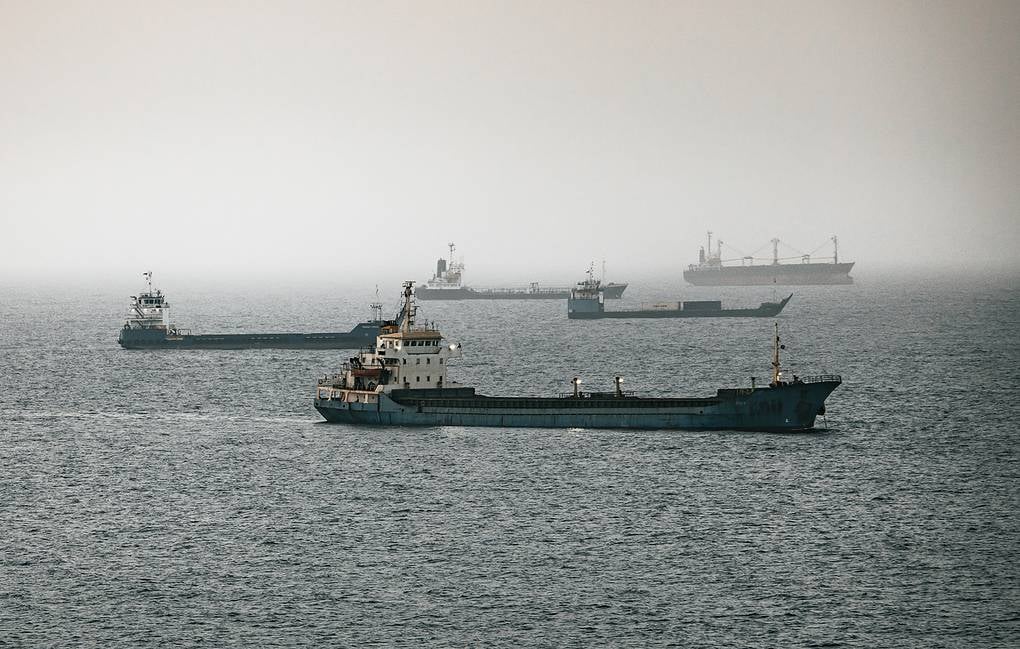

WASHINGTON – In the sixteen days between June 22 and July 7, some twenty Iranian tankers moved approximately 70 million barrels of crude oil to buyers in Asia while a United States Treasury general license explicitly authorized the transactions, generating between $5 billion and $6 billion in export revenue before Washington terminated the waiver without public explanation six weeks ahead of its scheduled expiration, data from United Against Nuclear Iran cited by The Wall Street Journal shows.
The Office of Foreign Assets Control issued the authorization on June 22 as part of ceasefire negotiations between Washington and Tehran. The license permitted the production, supply, and sale of Iranian petroleum products. Its stated end date was August 21. Treasury pulled it on July 7.
The termination timing carries weight. An OFAC general license structured to run through August was withdrawn on July 7, a date that falls six weeks short of its announced endpoint and coincides with the collapse of ceasefire talks that had been progressing since late June. OFAC general licenses are not revoked for routine administrative reasons. The July 7 decision marked the end of the diplomatic channel the authorization was designed to support.
What Iran accomplished in the window was substantial. Seventy million barrels at July crude prices translates to between five and six billion dollars in realized export revenue. That volume across twenty tankers indicates Iran moved quickly to maximize throughput from the moment the license became operative. UANI, the Washington-based non-governmental organization that tracks Iranian oil exports through vessel positioning and port data, compiled the figures that the Journal reported.
For Iran’s oil sector, the sixteen-day window was structurally different from the shadow-market conditions that govern its exports under sanctions. Ordinary Iranian oil sales route through opaque channels of discounted cargoes, secondary intermediaries, and deferred payment arrangements that reduce the realized value of each barrel below open-market prices. Authorized transactions let Iran price and move cargo at rates closer to market norms and route tankers through established Asian terminal infrastructure. The oil revenue came alongside accelerating domestic stress, as Iran’s power grid has been losing generation capacity under US strikes, compounding industrial disruption across major manufacturing centers.

The Asian buyers of Iranian oil now face a changed legal environment. Cargoes loaded before July 7 under the license occupy an ambiguous zone in payments and clearance timelines, depending on how individual jurisdictions interpret OFAC retroactivity language on post-termination transactions in transit. Buyers who moved during the window took on cargo; buyers who could not are now back in the constrained environment that preceded June 22.
The broader oil market impact of the Iranian export surge was limited relative to global throughput. Seventy million barrels over sixteen days is significant for Iran but modest as a fraction of global daily production. What the volume signals to market analysts is that Iran retains the logistical capacity to ramp exports rapidly when sanctions constraints lift, a factor any eventual settlement involving Iran’s oil sector would need to incorporate.
Iran’s oil infrastructure, concentrated in Khuzestan province, has been absorbing strike activity throughout the conflict with the United States. US operations have included a strike on the Darkhovin nuclear construction site alongside multiple refinery and petrochemical facilities. The damage to production capacity in Khuzestan leaves an unresolved question about how much of Iran’s export capability survives: whether the 70 million barrels that moved during the license window drew down stored inventory, represented live production, or some combination is not established by public data.
The ceasefire that produced the June 22 OFAC license collapsed. The license’s termination on July 7 marked the end of the authorized channel and the resumption of full sanctions enforcement. What the sixteen-day window documented is that Tehran, given authorized market access, can move substantial volume quickly. That is a negotiating data point for any future deal, and simultaneously an argument against indefinite sanctions relief without enforcement mechanisms that track and cap volume.
According to TASS reporting on The Wall Street Journal’s data, the export total represents a significant monetization of what had been stranded oil capacity under years of US sanctions. Whether the revenue is recoverable through secondary channels at comparable yield now that the license has been terminated is a question Iranian oil ministry officials have not publicly addressed. The window opened, Iran moved, and then it closed.