
WASHINGTON — Asked on Sunday when the administration would take responsibility for the economy, Treasury Secretary Scott Bessent said “we will own the economy,” then called the price surge “an energy supply side shock” and said the country would “get to the other side of the Iran conflict.”
The exchange on NBC’s “Meet the Press” began with moderator Kristen Welker citing the September figure: consumer prices up 3.7% from a year earlier, the fastest pace in five months. She asked whether the president’s policies were driving inflation. “Kristen, we have an energy shock,” Bessent answered. The same interview produced his remarks on Ukraine missile intelligence, which TEH reported separately.
The numbers land 16 days before the midterms, as Welker noted at the top of the show, and NBC News called the September report the final CPI release before the vote.
Bessent’s case rested on what sits under the headline, and on jobs. He said the administration has “a million private-sector jobs” so far this year and that “the net worth of American households are the highest that it’s ever been.” On prices, he said “core inflation has been very flat before this month, and it’d been down for four months in a row,” that food is “below the Fed’s targets,” that rents are down and that prescription drugs “have had the biggest decrease in history.” He cited no data for any of it. CBS News reported that core CPI, which strips out food and energy, rose 2.6% from a year earlier in September, up from 2.4% in August and above the 2.5% economists expected.
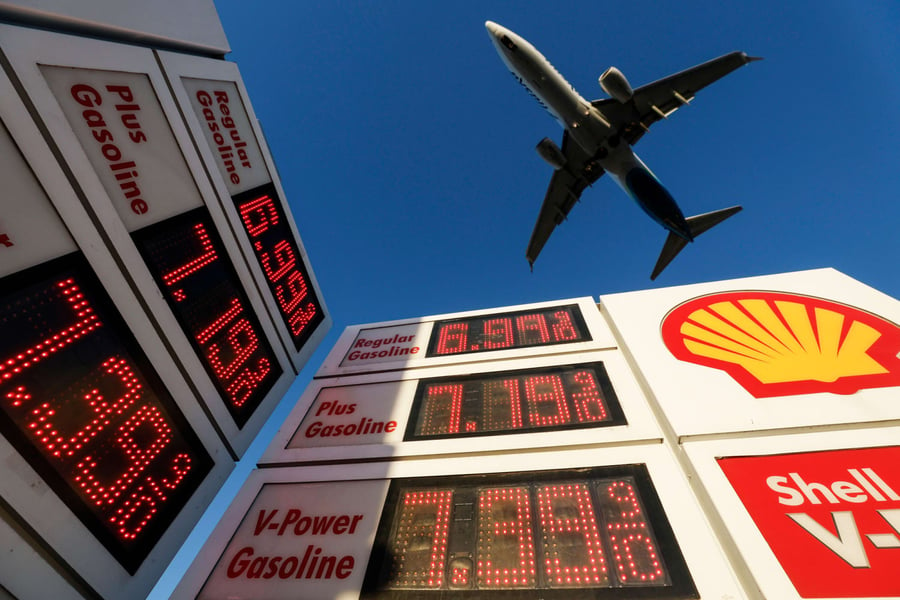
Welker said gas was up 44% since the war with Iran began. NBC News reported that unleaded had risen 45% since late February and diesel 70%. CBS put the AAA national average at $4.33 a gallon on Oct. 14, against $2.98 before the war. TEH’s report on September producer prices covered the wholesale side of the same gasoline surge.

Asked what he would say to voters who want change, Bessent said “why don’t we revisit the Biden-era policies,” citing “21.5% inflation and only about 17% wage increases.” Under President Donald Trump, he said, Americans “have gotten real wage increases, 1.5%.” He gave no period or source for those figures. NBC reported that wage growth was pacing at 3% a year as of September and that paychecks have not outgrown inflation since March.
Welker then asked whether gas prices would come down by the new year. “Well, again, it will depend on what happens with the Iran conflict,” Bessent said. Earlier, according to NBC’s transcript, he had said energy markets would be “better supplied than they were” on the other side of that conflict. The transcript contains no date for relief, and no figure for how far prices would fall.