
WASHINGTON — U.S. producers raised prices last month faster than at any point in four and a half years, and Wednesday’s consumer report may have shown only the first part of the bill. The Producer Price Index for final demand rose 1.3 percent in September, the Bureau of Labor Statistics said on Thursday, the biggest monthly gain since March 2022.
Over twelve months the index climbed 6.3 percent, the largest annual rise since December 2022. The September CPI inflation figure released a day earlier was 3.7 percent. That 2.6-point gap between what producers receive and what households pay is the pass-through question this report raises and does not settle.
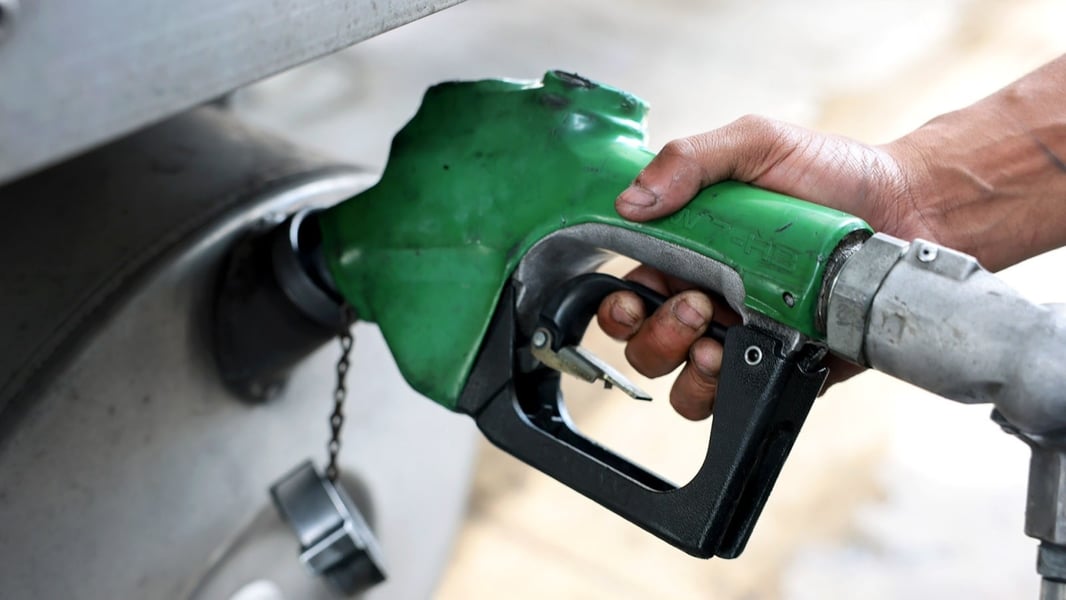
Gasoline is the clearest piece of it. Gasoline prices at the producer level jumped 20.3 percent in September and accounted for half of the rise in goods prices, the BLS said, while energy as a whole rose 10.8 percent. In Wednesday’s consumer index, gasoline rose 9.1 percent. The two measures are not like for like, since the producer index captures what sellers receive before retail markups and taxes, but a gap of 11 points is wide.
Margins suggest where some of it went. Trade margins rose 1.4 percent overall, yet margins for automotive fuels and lubricants retailing fell 30.3 percent, according to the BLS release. Fuel sellers appear to have absorbed a large share of the wholesale jump rather than passing it to drivers. The release does not say how long they can.
Food shows a similar lag. Producer food prices rose 1.2 percent, the BLS said, while ABC News noted that consumer food prices were flat from August, which it suggested meant some restaurants and stores were absorbing higher supply costs.

Freight is where fuel enters everything else. Transportation and warehousing prices rose 3.4 percent, and diesel and jet fuel also climbed, the release showed. Trump endorsed a diesel export ban last month; Treasury Secretary Scott Bessent said then that officials were still examining whether it would work.
Even the core reading ran hot. Excluding food, energy and trade services, the index rose 0.5 percent on the month and 5.0 percent over twelve months. NBC News reported that every key number came in far above what economists expected, and that markets now see the Federal Reserve possibly raising rates sooner than expected at its Oct. 27-28 meeting. A tech stock rout had already hit Seoul and Tokyo that morning.
At Trump’s Montana rally on Wednesday, the day the consumer figure came out, the president said “we have very little inflation.” The BLS also revised data for May through August in this release, so the monthly path differs from earlier reports. What it cannot say is who absorbs the gap next: the fuel retailers whose margins fell 30.3 percent, or the drivers and shippers downstream.