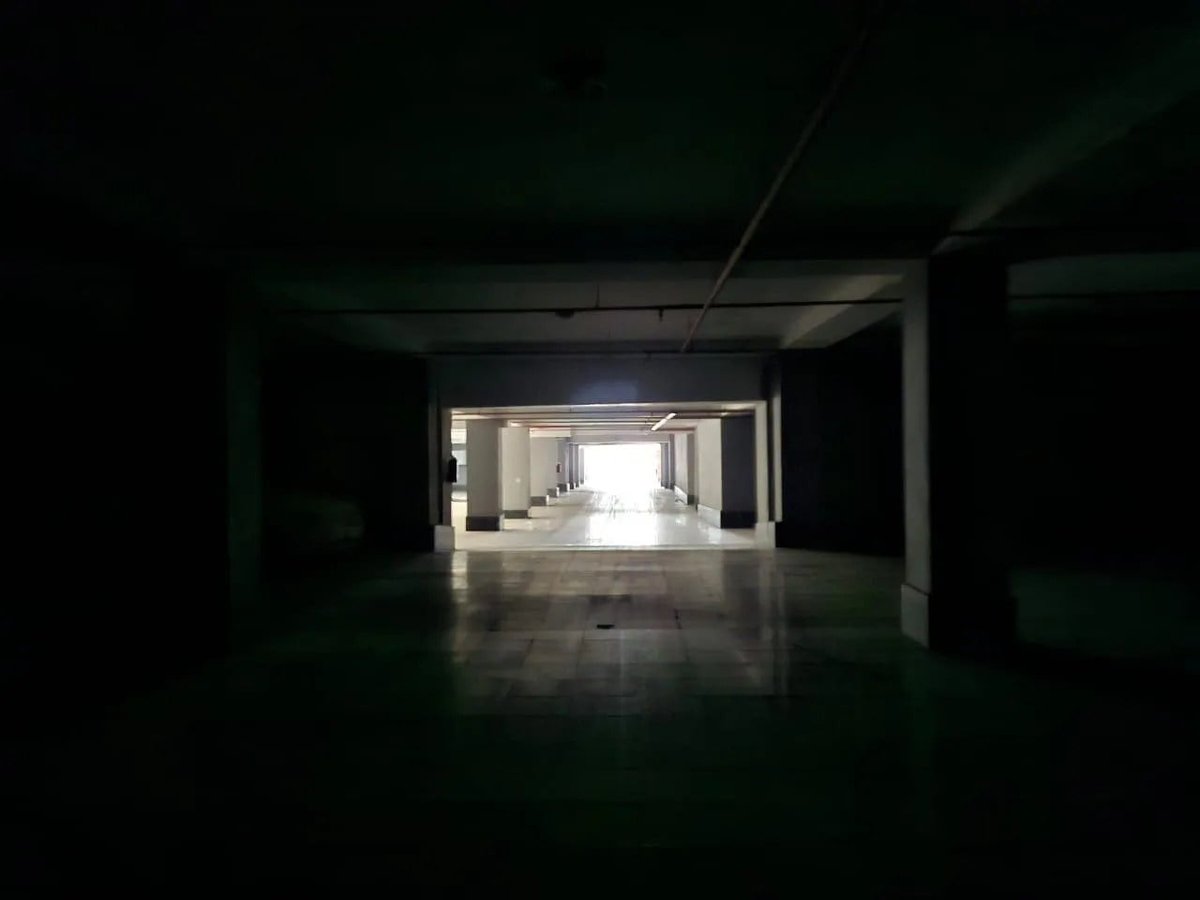

TEHRAN – When the power cut out across Tehran’s residential districts for the third time in four days, Mehdi Chamran, the chairman of the city council, was already on the phone with grid managers trying to account for the latest rolling blackout sweeping through the capital. The answer he got confirmed what utility engineers across Iran had been telling themselves since American missiles began falling: the national electricity infrastructure, already stretched beyond capacity by a summer heatwave, had begun to fracture.
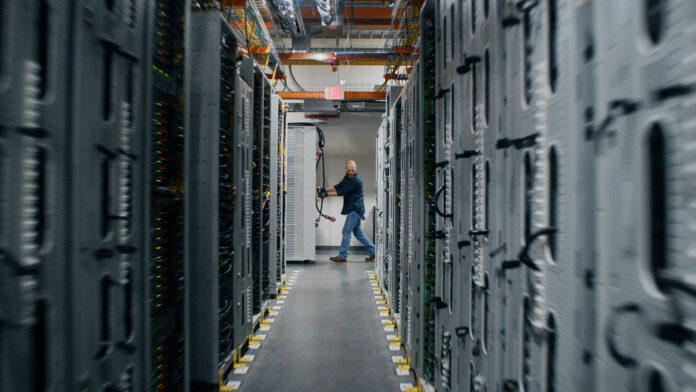
Iran’s grid has shed 4,200 megawatts of generation capacity since the United States launched its strike campaign more than a week ago, according to figures confirmed by Allahdad, the chief executive of the country’s power distribution authority. More than 2,000 transmission and distribution points across the country have been damaged or destroyed, leaving hospitals, water treatment stations, and industrial sites operating on backup systems or not at all.
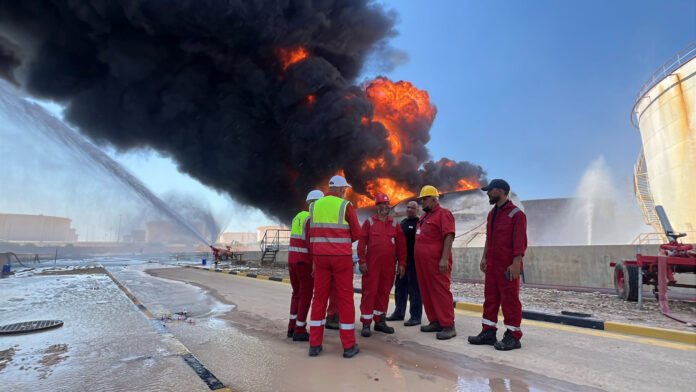
The Kish Island power plant, which serves one of Iran’s most commercially active zones in the Persian Gulf, was struck directly. Distribution networks in the southern port cities of Bandar Abbas, Jask, and Chabahar, critical nodes for fuel export and maritime commerce, have been compromised. The most consequential losses lie in the industrial heartland: the Isfahan Mobarakeh Steel complex, one of the largest steel producers in the Middle East, went offline after losing 1,400 megawatts of power, and a Khuzestan steel facility responsible for another 600 megawatts followed. The Mahshahr petrochemical zone was bombed outright.
“War was merely the straw that broke the camel’s back,” said Professor Arman, an Iranian energy economist whose analysis of the grid had been circulating among policy circles for years before the strikes began. He had long argued that Iran’s electricity infrastructure was operating at the edge of what its aging transmission backbone could support, that any shock, natural or military, would push it past the threshold. The strikes delivered precisely that.
The consequences for ordinary Iranians have compounded rapidly. Sharif University of Technology, one of the country’s most prestigious engineering institutions, postponed its summer examinations indefinitely. The chamber of commerce for the greater Tehran metropolitan area reported severe disruption to manufacturing operations; its head, Selahvarzi, estimated that rolling blackouts lasting between four and eight hours daily were making sustained production impossible. In the country’s hospitals, staff have been working to ensure that ventilators and medicine refrigeration systems connected to backup generators remain powered.

Chamran, the Tehran council chairman, was unusually direct about the severity. The capital’s distribution system was absorbing outages that pre-dated the war, and the strikes had dramatically narrowed the margin for compensation. What Tehran’s grid managers had managed to paper over through demand-rationing schemes and maintenance deferrals for years was now exposed.
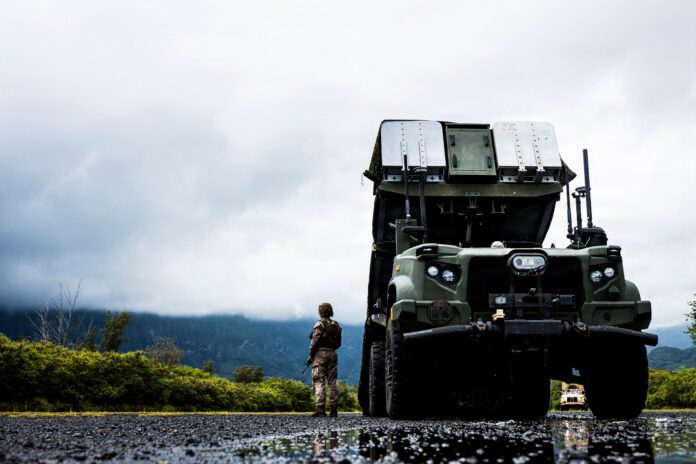
The strike campaign, now in its ninth consecutive night, began on July 8, when President Donald Trump announced that the United States was terminating a ceasefire with Iran and initiating retaliatory strikes, citing an attack on a merchant vessel in the Strait of Hormuz. Iran subsequently began targeting American installations across the Middle East, striking facilities in Bahrain, Jordan, Kuwait, Qatar, the UAE, and Oman. As reporting on the campaign’s eighth night had documented, the human cost was already accumulating on both sides of the confrontation.
The energy crisis sits inside a larger regional disruption. Oil markets are watching the Khuzestan refinery situation closely, since several of the province’s facilities have been damaged or taken offline. Whether strike-induced outages begin to affect Iran’s own crude production pipeline, the fields in Khuzestan accounting for the bulk of Iran’s output, remains the central variable for analysts tracking the war’s economic consequences.
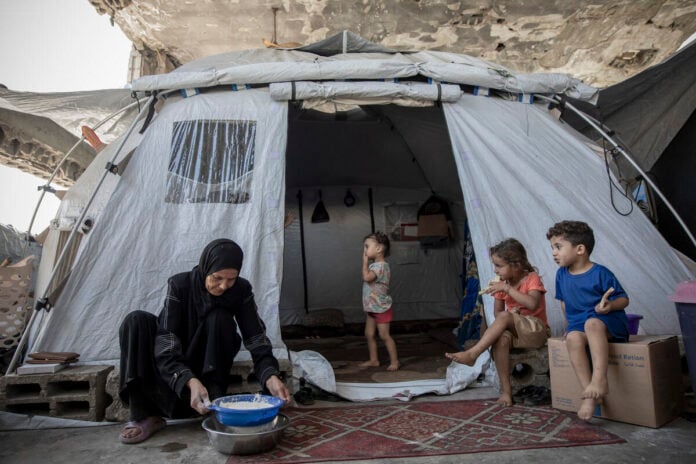
Ordinary Iranians are confronting this inside an already brutal summer. Temperatures in Tehran reached 41 degrees Celsius last week, and demand for air conditioning had pushed the grid to its seasonal peak load before the first missile fell. In such conditions, power interruptions carry a more immediate risk profile: heatstroke in apartment buildings without cross-ventilation, spoiled medication in home refrigerators, dialysis equipment running on overtaxed backup power. The crisis reached beyond energy policy to touch public health in ways that the casualty counts from airstrikes alone could not capture.
According to Al Jazeera’s reporting on the blackouts, energy ministry officials have not published a timeline for restoration. The distribution network faces two overlapping problems: physical damage requiring new equipment and skilled crews, and a structural generation deficit that will not close until the major industrial facilities come back online. Iran’s power managers estimated before the war that completing the Bakhtiari Dam, a long-delayed hydroelectric project, would add roughly 500 megawatts of reliable generation capacity. The project requires approximately $500 million to complete; with portions of Khuzestan’s infrastructure now in a war zone, the timeline is no longer a planning question.
The broader civilian toll of the Iran war’s economic cascade has already stretched beyond the country’s borders. In Nigeria, disruption to Iranian fuel supply chains has driven price increases contributing to child malnutrition in communities already operating under severe constraint. The grid collapse inside Iran is the same dynamic working inward.
What the blackout maps leave unanswered is how much of the damage is recoverable in weeks versus months. The transmission network is technically repairable, but only where crews can work safely and only once replacement components arrive. Neither condition is reliably in place. Whether Iran’s grid returns to something approaching normal function before the conflict ends, or whether the damage becomes a structural fixture of the country’s infrastructure for years, is a question that not even the engineers managing it claim to know.