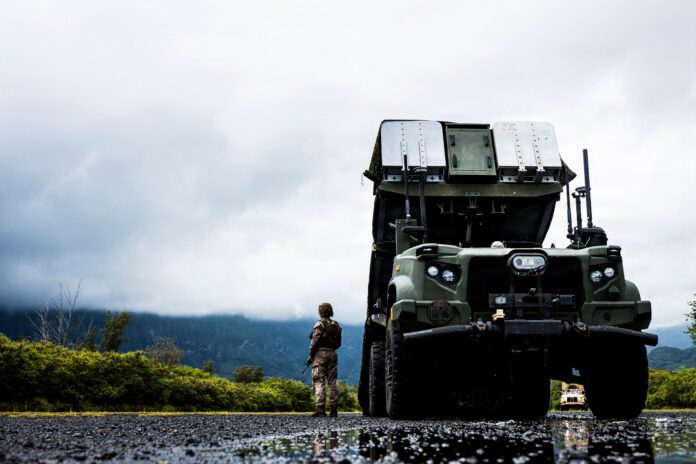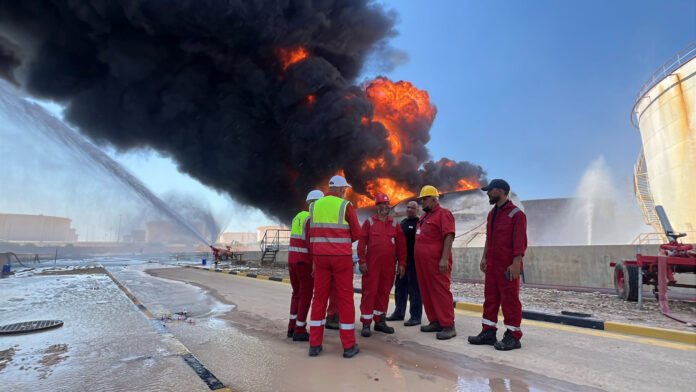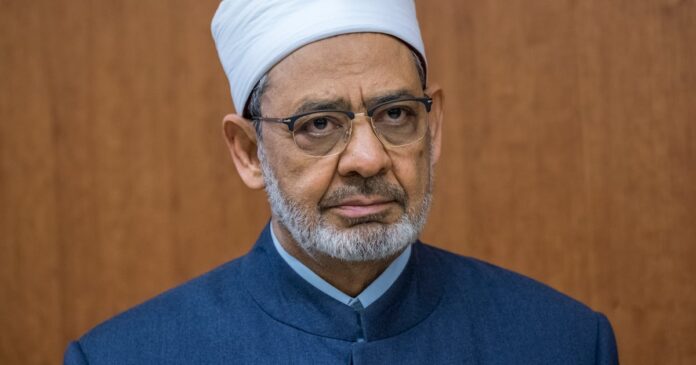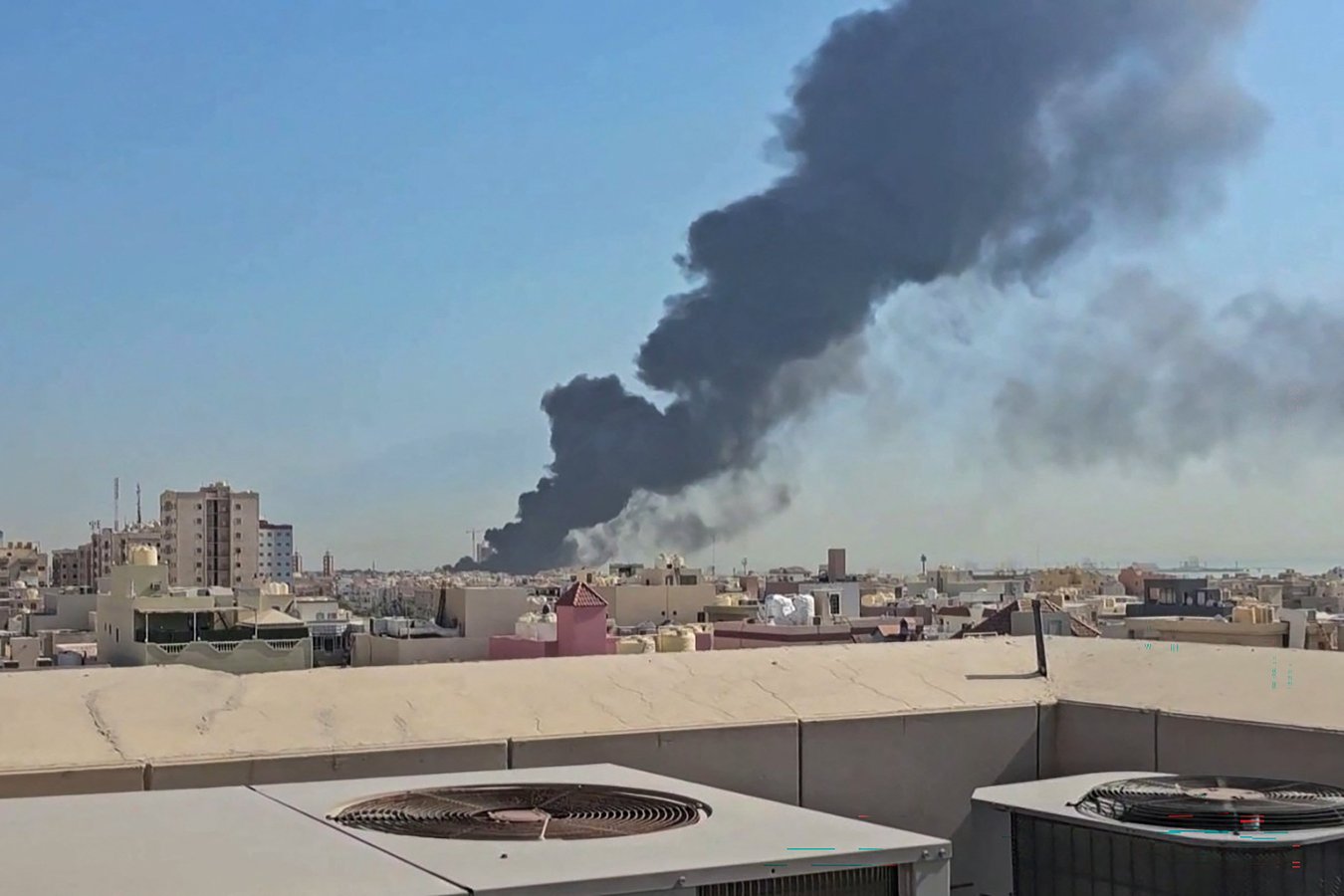

WASHINGTON – Two American service members died in Jordan on Friday when Iranian strikes hit United States military facilities in the country, setting off the eighth consecutive night of American attacks on Iran that extended through the early hours of Sunday. United States Central Command said its strikes targeted military coastal surveillance infrastructure, air defense facilities, maritime capabilities, and missile and drone storage sites across southern Iran. The list of locations hit spanned Kish Island, the port city of Bandar Abbas, Qeshm Island, the strategically positioned town of Sirik near the Strait of Hormuz entrance, and Shadegan in Khuzestan province.
The deaths were the first confirmed American military fatalities from Iranian strikes since the current campaign began, and they changed the political calculus immediately. The administration had framed earlier rounds of strikes as a response to Iranian nuclear program advances. The Jordan killings added a direct loss of American life to the equation, and the shift in targeting to Bandar Abbas, one of Iran’s most significant commercial ports and its main container terminal, reflected an escalation beyond military facilities.
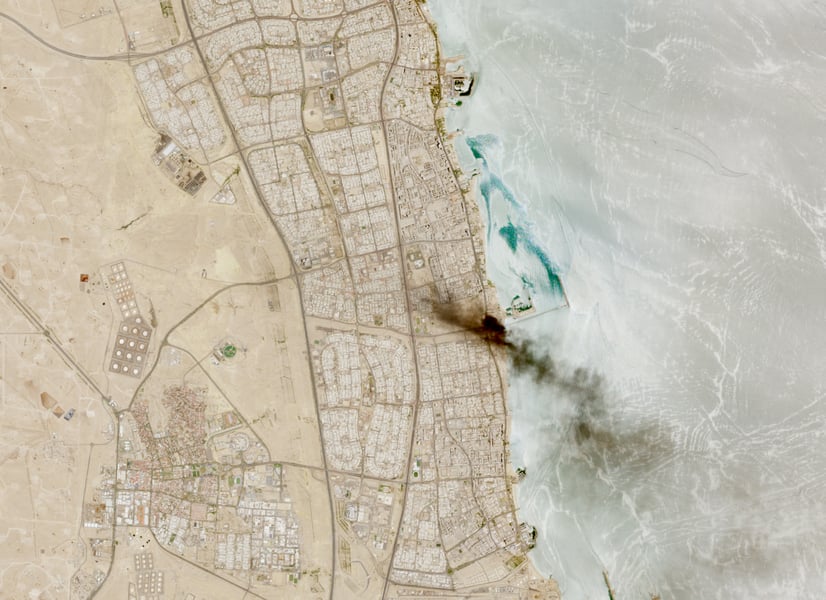
Iran did not absorb the night’s strikes passively. The Islamic Revolutionary Guard Corps launched large-scale drone attacks on United States military facilities in Kuwait, targeting Camp al-Adiri and Ali Al Salem airbase. Air raid sirens sounded in Bahrain. Iranian Commander Abdullahi stated that “any aggression will be met with a decisive and devastating response.”
Iran’s Supreme Leader, in his first public statement since the Jordan killings, accused the United States of violating a memorandum of understanding reached earlier this year and promised America would face “unforgettable lessons.” Trump, appearing briefly at a World Cup event before returning to monitor operations, said the United States was “never allowing Iran to have a nuclear weapon” and gave no indication of when, or whether, a ceiling existed for the military campaign.
The killed soldiers have not been publicly identified. No casualty figures from US strikes inside Iran have been confirmed by either government.
The expansion of targets to Bandar Abbas reflects a calculation with direct consequences for global energy markets. The port sits at the northern entrance to the Strait of Hormuz, through which approximately 20 percent of the world’s oil passes. Iran has not yet moved to close the strait, but the inclusion of Qeshm Island, which sits at the strait’s mouth, in Sunday’s targeting suggests the geography of the US campaign has moved closer to the waterway’s chokepoint. Iran formally declared Hormuz under its command in early July, a claim the US has not formally contested. Oil markets, already under sustained pressure from months of disruption, face additional uncertainty with each strike on Hormuz-adjacent infrastructure.
The strikes on Kuwait complicated the position of a Gulf state that has worked carefully to maintain a posture of non-involvement in the Iran-US confrontation. Kuwait hosts major US military installations, and the attacks on two of them represent Iran’s clearest signal yet that it intends to widen the geographic scope of the conflict. Bahrain, home to the US Fifth Fleet, did not report an attack but elevated its alert status. Saudi Arabia and the UAE, both maintaining economic ties with Iran while hosting American military assets, have not publicly commented.
Inside Iran, the consequences of the US campaign have not been limited to its military dimensions. Strikes on transportation and logistics infrastructure, including airports and railway lines in this week’s operations, represent a deliberate attempt to impose wider economic and operational costs. Iran’s ability to move fuel, military equipment, and humanitarian supplies within its southern provinces has been degraded. The civilian population in Khuzestan and the provinces along the Hormuz coast has faced power disruptions and commercial disruption as a result.
Russia called for “immediate de-escalation” without providing any mechanism for how that might occur. China, which has extensive trade ties with Iran and represents one of the few countries with economic influence over both parties, has issued statements of concern without proposing any framework. The United States has not entered direct diplomatic contact with Iran since the campaign began.
The eight nights of American strikes have not produced any indication from Tehran that it is willing to return to nuclear negotiations or to halt operations against American forces in the region. The IRGC statement on Saturday described the drone attacks on Kuwait as a response to “continuous crimes.” Iran’s military position is that the US strikes constitute an act of war under international law, and that retaliatory operations are therefore legally authorized. The United States has not engaged those arguments publicly.
The broader regional picture has accumulated complexity faster than any of the external parties have publicly acknowledged. Israel has maintained a notably quiet public posture. The Arab Gulf states have communicated their concerns through private channels. None of this diplomatic background noise has yet produced any visible change in the operational tempo of either party. The 2026 World Cup Final plays in New Jersey on Sunday afternoon. Whether the celebrations inside MetLife Stadium and the strikes along the Strait of Hormuz occupy the same twenty-four hours is not a coincidence. It reflects the particular character of this moment: an American military campaign that has generated less domestic political discussion than any major sustained engagement in recent memory, and an Iranian response that has extended into Kuwait while the world’s attention sits elsewhere.
According to Al Jazeera, both sides sustained operations into Sunday morning with no diplomatic channel active. The two Americans killed in Jordan were stationed at a US military facility. Their names have not been released. Their deaths set off the eighth night of strikes on Iran. Neither government has indicated what would need to change for the ninth night not to follow.