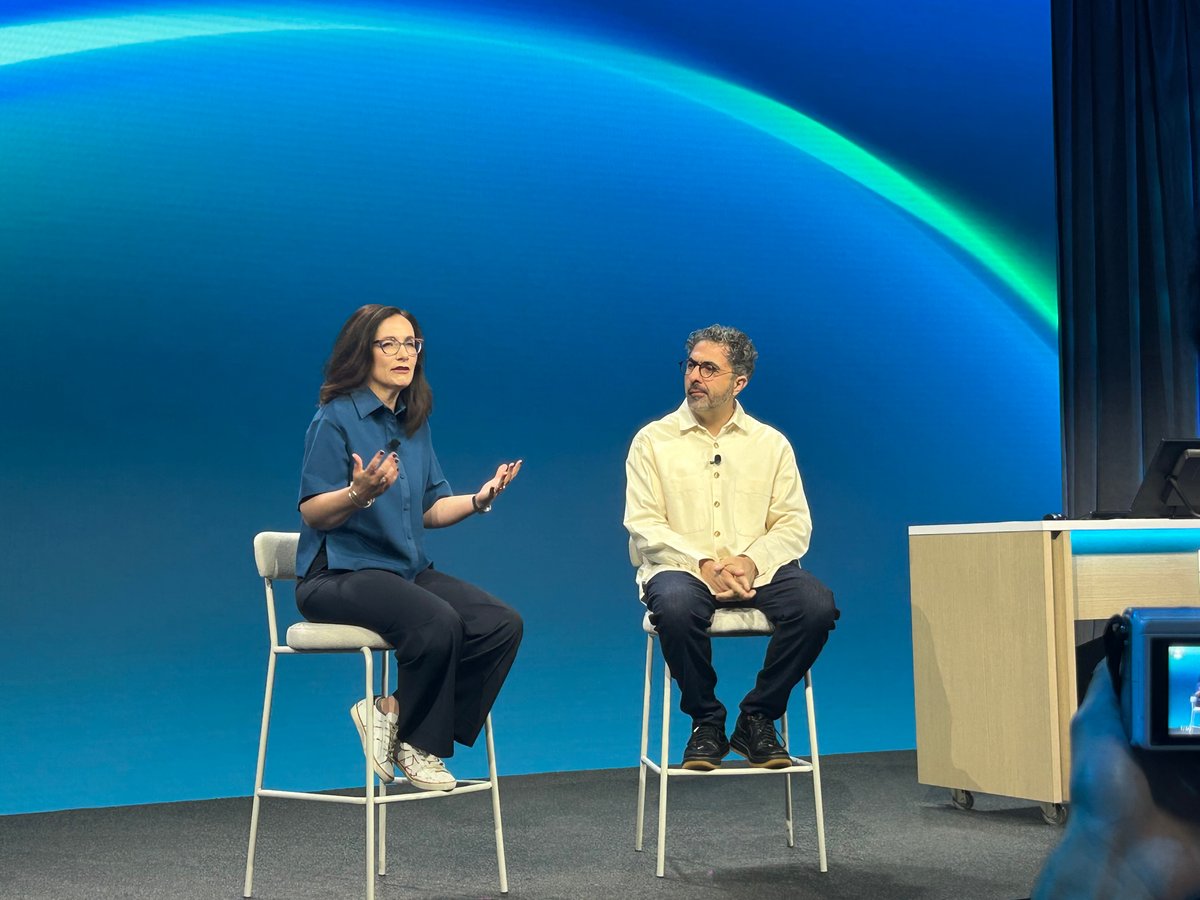

SAN FRANCISCO – The demonstration took three minutes. A simulated enterprise codebase, a prompt, and then MAI-Cyber-1-Flash had identified a cluster of software vulnerabilities, triaged them by severity, drafted a detection rule, and generated a working code fix. Dave Weston, the lead engineer behind Perception, stood beside the output on screen. “In minutes, we have a fix for all of this,” he said. “Not only do we discover the issues and prioritize them, but we have detection, posture fixing, and even a code fix.”
Microsoft unveiled MAI-Cyber-1-Flash and the Perception platform Sunday in San Francisco, TechCrunch first reported, marking the company’s first purpose-built AI cybersecurity model launch after a year in which both Anthropic and OpenAI staked out the sector with dedicated security products. Perception deploys three teams of AI agents, described as red, blue, and green, that respectively seek out vulnerabilities, defend against them, and generate remediation paths including code patches. Both the model and the platform run inside MDASH, Microsoft’s existing software vulnerability identification and remediation harness.
Mustafa Suleyman, Microsoft’s AI CEO, framed the launch in explicitly competitive terms. In a statement during the event, Suleyman said: “We have MAI-1 Cyber Flash binded with GPT 5.4 inside of the MDASH harness, which beats out Gemini, GPT 5.5 Cyber, GPT 5.6 Sol, and Mythos 5 on Cyber Gym.” Cyber Gym is the current benchmark standard for evaluating AI security model performance across standardized offensive and defensive tasks. The claims place MAI-Cyber-1-Flash ahead of Google, both OpenAI flagship security models, and Anthropic’s Mythos 5, though benchmarks conducted or reported by the vendor are not independently verified.
What makes Perception’s MDASH integration notable is the depth of automation it claims. Most enterprise security tooling stops at detection, or at best surfaces a suggested fix for a human engineer to evaluate. The Perception demo showed a system that moved from identification through remediation without a human in the loop. Whether that workflow holds in production, against adversaries who are themselves increasingly using AI to find and exploit software weaknesses, is the question the November preview will need to answer.
The three-agent-team structure is designed to cover different phases of the security lifecycle. Red team agents act as adversaries, probing systems for exploitable weaknesses. Blue team agents monitor and defend. Green team agents focus on patching and posture correction. Running all three in parallel inside the same harness is Microsoft’s proposed answer to the compressed attack timelines that have made traditional sequential vulnerability management increasingly inadequate against well-resourced threat actors.
The commercial timing reflects real pressure on enterprise security teams. Russian-linked groups bypassed advanced firewall defenses targeting NATO member states earlier this year, an episode that illustrated how quickly sophisticated actors can exploit gaps that slower manual remediation leaves open. That kind of incident is part of the backdrop against which Microsoft is pitching automated vulnerability discovery and patching as a product category.
Cybersecurity AI also sits at an intersection drawing regulatory attention. White House negotiations over voluntary frontier-model standards earlier this month covered how AI security tools are tested before deployment, a question that applies directly to autonomous systems like Perception designed to identify and exploit vulnerabilities in controlled environments.
Anthropic launched Mythos, its dedicated cybersecurity AI, in April 2026. OpenAI followed with Daybreak in May. Both have been running controlled enterprise evaluations and building sales relationships since their launches. Microsoft is entering more than two months later but with MDASH integration and full-stack agent teaming that neither competitor currently offers at the platform level. Whether the head start in enterprise relationships Anthropic and OpenAI built during that window outweighs Microsoft’s benchmark claims and distribution scale is the competitive question the sector will watch through the preview period.
The Perception preview launches November 3, 2026. Microsoft has not confirmed whether the platform will be included in existing Microsoft 365 enterprise security licensing or tiered as a separate product. That pricing structure will determine how quickly Perception gets into the hands of the security teams it is designed to serve, and how directly it competes with the per-seat or usage-based pricing models that Anthropic and OpenAI have built their enterprise security businesses around.
What Cyber Gym does not measure is how MAI-Cyber-1-Flash performs against novel, undisclosed vulnerabilities being actively exploited by real threat actors, as opposed to the standardized tasks that make benchmarks comparable and controllable. The November 3 preview is where that gap begins to close, or does not. Until then, what Microsoft has is a three-minute demo and a benchmark lead it has not yet had to defend outside its own harness.