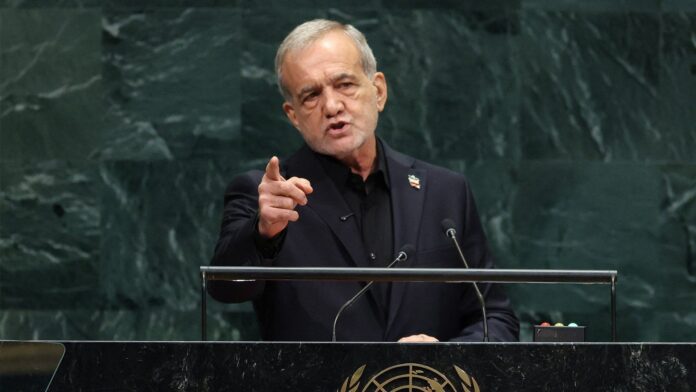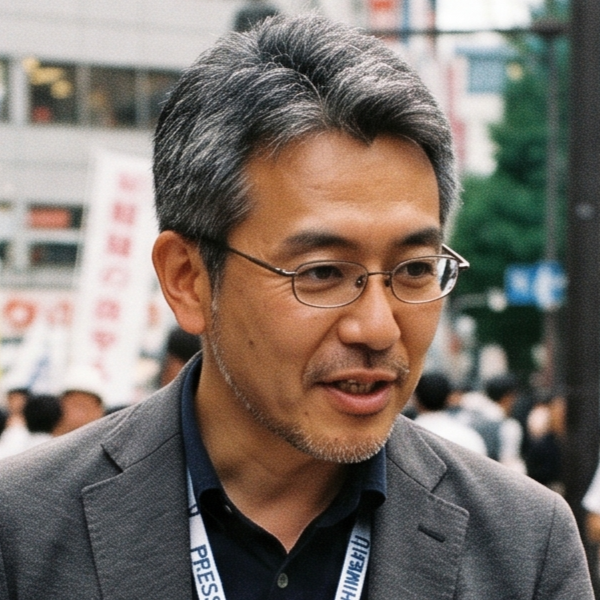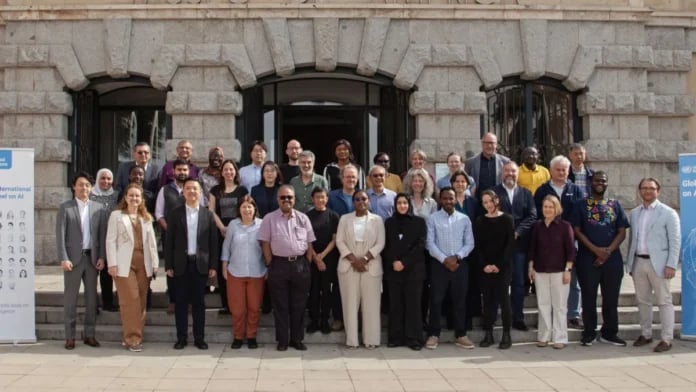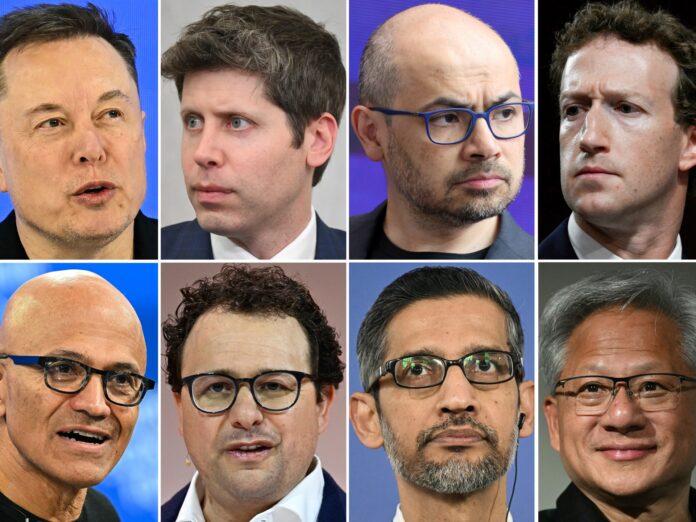

NEW YORK — The session France organized for Wednesday was designed to produce a specific kind of failure. Not disorder. The chamber proceeded with formal courtesy, five frontier AI executives delivered measured statements, and fifteen member-state delegations took turns at the microphone. The failure was structural, predetermined, and deliberate. French Foreign Minister Jean-Noël Barrot knew before he called the session to order that no binding outcome was possible. He organized it anyway, for reasons that have more to do with institutional architecture than with artificial intelligence.
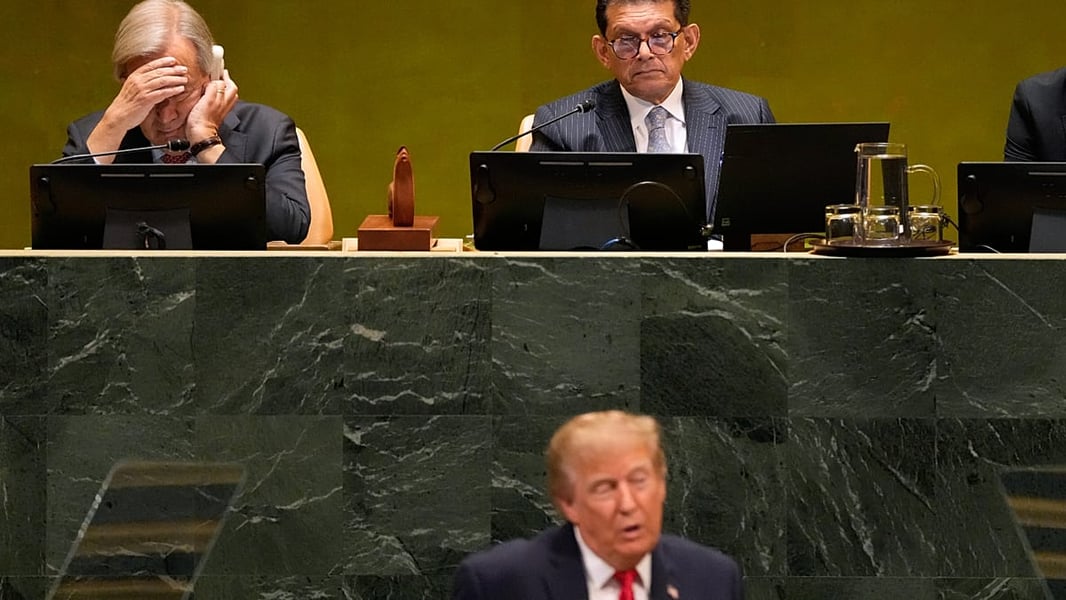
The United States holds a permanent seat on the Security Council. It holds a veto. Any resolution with enforcement mechanisms requires Washington’s assent. Twenty-four hours before the session began, President Trump told the General Assembly that his administration “totally rejects any attempt to construct a globalist scheme to control” artificial intelligence. That sentence did not merely signal policy opposition. It closed the procedural path entirely.
France’s response was not to cancel the session. It was to build the record anyway.
In international diplomacy, the record is not nothing. When governance mechanisms eventually emerge, through treaties, summit agreements, or a different political moment in Washington, they emerge from a documented history. France’s calculation, shared by the states pressing for international AI oversight, is that Wednesday’s session made it formally true that the Security Council has addressed AI risk, heard from the companies building it, and received testimony establishing that frontier developers themselves requested oversight. That record exists regardless of what the United States does in 2026. It is available for whoever comes next.
Sam Altman attended in person. Dario Amodei addressed the Council by video. Hugging Face CEO Clément Delangue presented alongside Yoshua Bengio, co-chair of the UN AI Advisory Body. Two of the other presenters arrived with a complication the session’s organizers had to absorb: DeepSeek and Moonshot AI, both named in a joint advisory by the NSA, FBI, and CISA accusing them of systematic, detection-evading distillation of American AI capability. The advisory was an intelligence document, not a diplomatic protest. It did not prevent their appearance. Both companies briefed the Security Council alongside their alleged targets. That fact was unaddressed.
Dario Amodei has argued, publicly and in detail, for slowing the frontier AI race through international coordination. He has also supported the export restrictions whose primary targets include DeepSeek and Moonshot AI. The export controls exist because the US government assessed that Chinese frontier AI development poses a national security risk. Amodei asking the Security Council for international AI governance while supporting the tools designed to limit that governance’s subjects is not hypocrisy. It is a coherent if uncomfortable position that the Council session made unavoidably visible.

Trump’s speech to the General Assembly was not subtle. Euronews reported that world leaders divided sharply over whether AI should be governed through international frameworks or treated as a sovereign competitive asset. Trump landed the United States in the second camp, using the word “globalist” as a deliberate signal to his domestic audience and a clear statement to the chamber meeting the following afternoon.
Yoshua Bengio’s testimony gave the session its sharpest edge. The UN AI Advisory Body has now formally invoked the precautionary principle, borrowed from nuclear and environmental law and applied to AI agents for the first time. The doctrine holds that catastrophic-risk action is obligatory before scientific consensus fully arrives. Whether it survives contact with the body that would enforce it is a separate question. That Bengio invoked it at the Security Council level, with frontier developers in attendance, establishes a precedent. Precedents are what France came to establish.
DeepSeek‘s presence is a reminder of what France is attempting to govern. The company’s R1 and V3 models, released earlier this year, briefly erased more than five hundred billion dollars in US market value. Chinese frontier AI is not a prospective concern. It is an arrived condition. The question France posed to the Council, how the world should govern technology already deployed and already the subject of intelligence advisories, received no answer on Wednesday. It received a record. Whether that was the point, or merely the consolation, France has not said.