
LAS VEGAS — The last earnings report Caesars Entertainment Inc. (Nasdaq: CZR) will ever file as a public company arrived Monday with a contradiction at its center. Regional casinos are delivering their best growth in years. The Las Vegas Strip, the crown jewel Tilman Fertitta is paying a premium to own, just posted its sharpest earnings decline in recent memory.
Net revenue for the three months ended June 30 reached $2.993 billion, up 3.0 percent from a year earlier and slightly ahead of analyst estimates of $2.97 billion. But consolidated adjusted EBITDA fell 3.7 percent to $920 million, missing the consensus figure of $962.7 million by roughly $43 million. The company also reported a net loss of $62 million, narrowed from $82 million a year ago, and basic earnings per share of negative $0.30, compared with negative $0.39 in the prior-year period. Top-line growth masked a deterioration in what the company actually keeps.
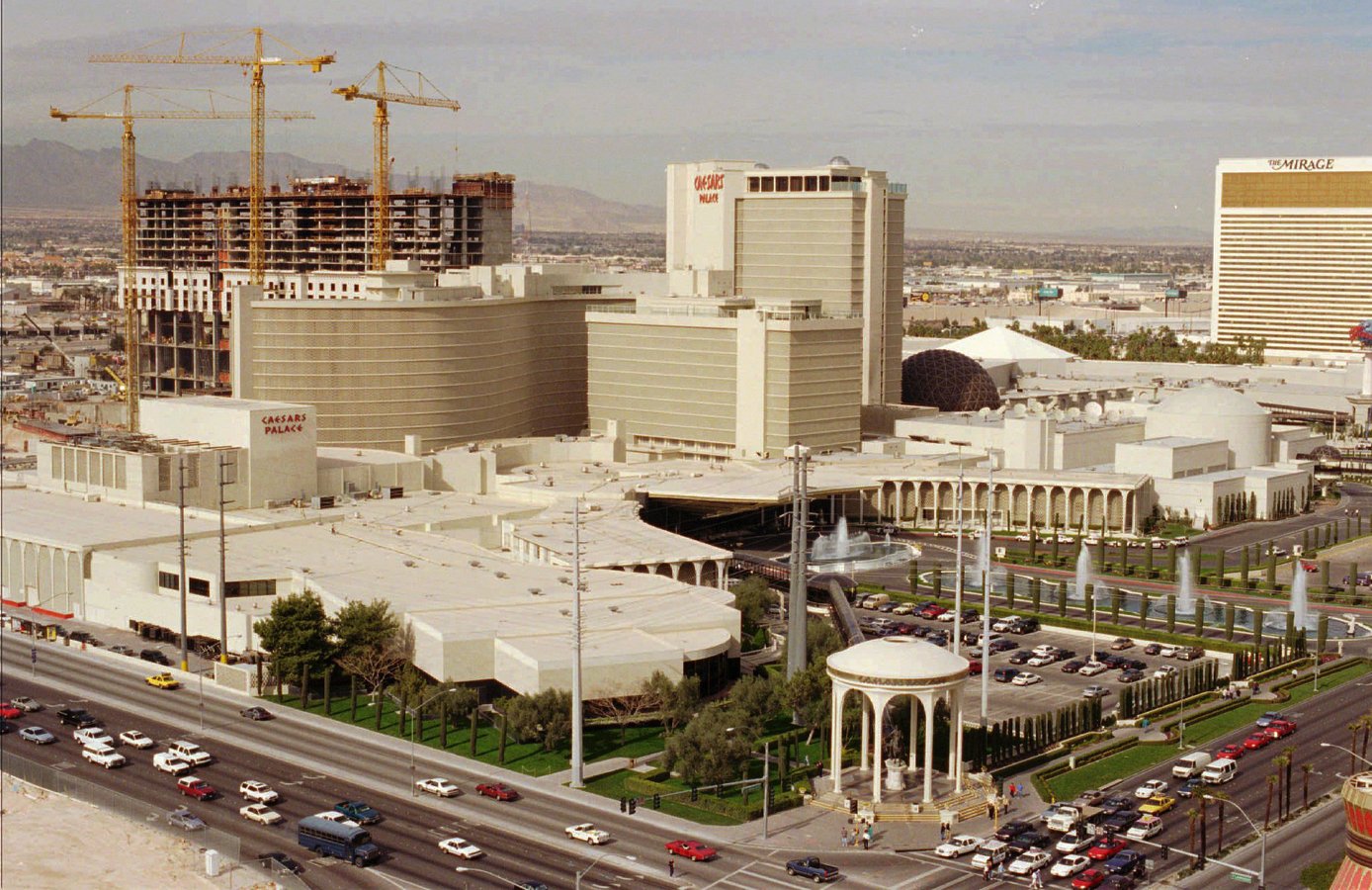
The Las Vegas segment bore the weight of that gap. Revenue in the market fell 3.5 percent year over year to $1.017 billion, while adjusted EBITDA dropped 12.6 percent to $410 million. The decline came despite Caesars Palace’s position as one of the Strip’s signature properties, with its Forum Shops and a calendar of high-profile entertainment. Convention business, a traditional revenue driver for the market, has not fully recovered to pre-pandemic peak levels in some segments, and competition from newer properties and competing entertainment formats has intensified.
That owner is getting a better story in the regional portfolio. The segment covering properties from Atlantic City to Mississippi to Indiana saw revenue jump 9.4 percent to $1.570 billion, and adjusted EBITDA rise 11.2 percent to $488 million. State-level pressure on unregulated competition contributed. Six states have moved to restrict or ban sweepstakes casinos this year, as Indiana did in July, redirecting some gamblers back toward licensed brick-and-mortar floors.
Caesars Digital, competing against DraftKings Inc. and Flutter Entertainment Plc’s FanDuel platform for online sports betting and iGaming customers, posted second-quarter revenue of $351 million, up 2.3 percent. Adjusted EBITDA there fell 15.0 percent to $68 million, a sign that promotional spending required to hold market share against well-capitalized competitors has not eased. User acquisition costs and marketing spend continue to compress margins even as the customer base grows modestly. The Managed and Branded segment, covering fee-income agreements with properties Caesars does not own outright, contracted 23.0 percent to $57 million in revenue for the quarter.

Against those results sits a balance sheet that has shaped every strategic decision the company has made since emerging from bankruptcy in 2017. Total debt at the end of June stood at $11.807 billion. Cash and equivalents were $965 million, leaving net debt of $10.842 billion. The company maintains approximately $2.9 billion in available revolving credit capacity. At current EBITDA levels, net leverage sits at roughly three times, a load that has constrained dividends, capital expenditures, and strategic flexibility for nearly a decade, and one that Fertitta Entertainment will inherit along with the casinos themselves.
Fertitta Entertainment, controlled by billionaire Tilman Fertitta and built on the Golden Nugget casino brand alongside restaurant and hospitality holdings, agreed in May to buy Caesars at $31 per share in cash. The equity value is approximately $5.7 billion. Including the debt Fertitta’s vehicle will assume, the total transaction value reaches roughly $17.6 billion, a 49 percent premium to Caesars’ unaffected share price from late February, before deal speculation gained traction.
Because of the pending acquisition, announced May 28, Caesars did not hold its customary earnings call Monday. No prepared remarks from management were released. No forward guidance was provided. The quarter’s numbers arrived in a filing with the Securities and Exchange Commission and nothing else, the final financial transmission from a company that has traded publicly through debt restructurings, a pandemic-era collapse, and multiple ownership changes.
What Fertitta Entertainment intends to do with the Las Vegas properties once the deal closes is not publicly known. Whether the acquisition thesis rests on reversing the Strip’s slide, extracting efficiencies the public company could not attempt under debt pressure, or simply holding a diversified gaming portfolio through a period of regional growth is a question Fertitta has not answered in any public forum. Filing obligations end when the stock delists from Nasdaq.
For public shareholders, the arithmetic of the deal has been the dominant reality since May: $31 in cash against a stock trading in the low twenties before the announcement. The Nevada Gaming Commission has been updating its regulatory framework for Las Vegas operators in recent months, including removing legacy figures from its exclusion lists. But the commission’s oversight of Caesars properties under private ownership will look different than it has under public disclosure requirements. How different, and at whose direction, is not a question this earnings report answers.