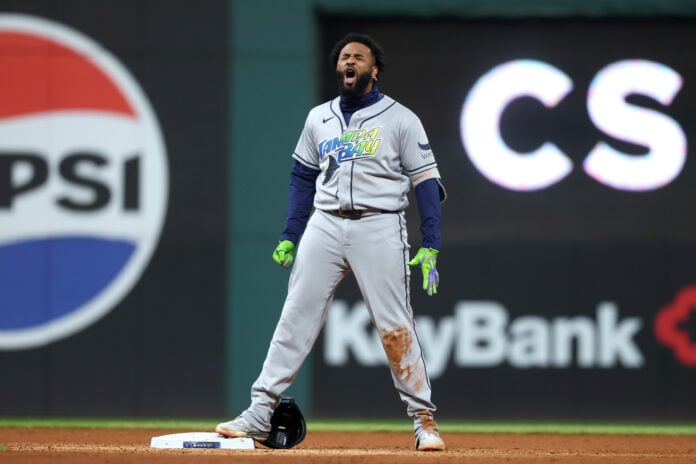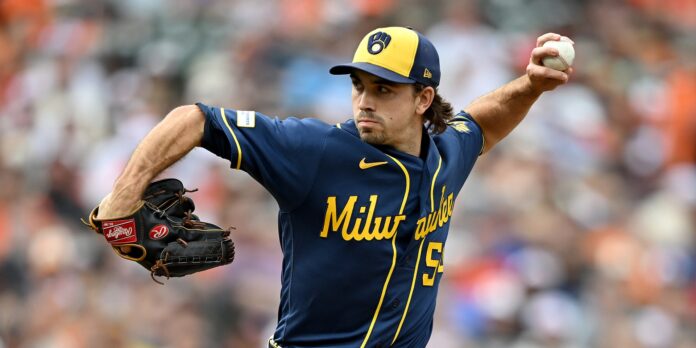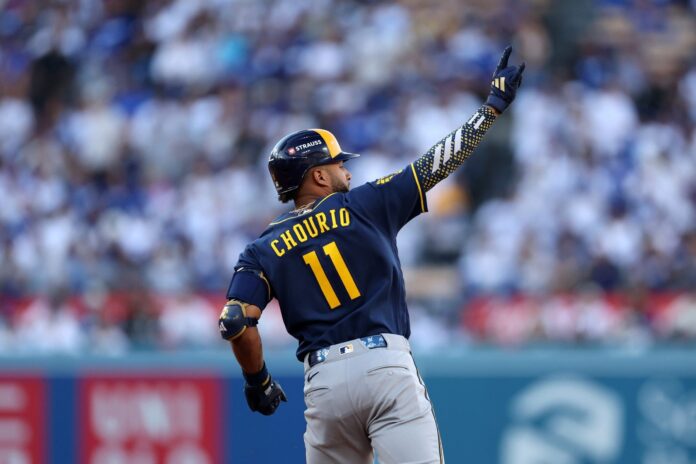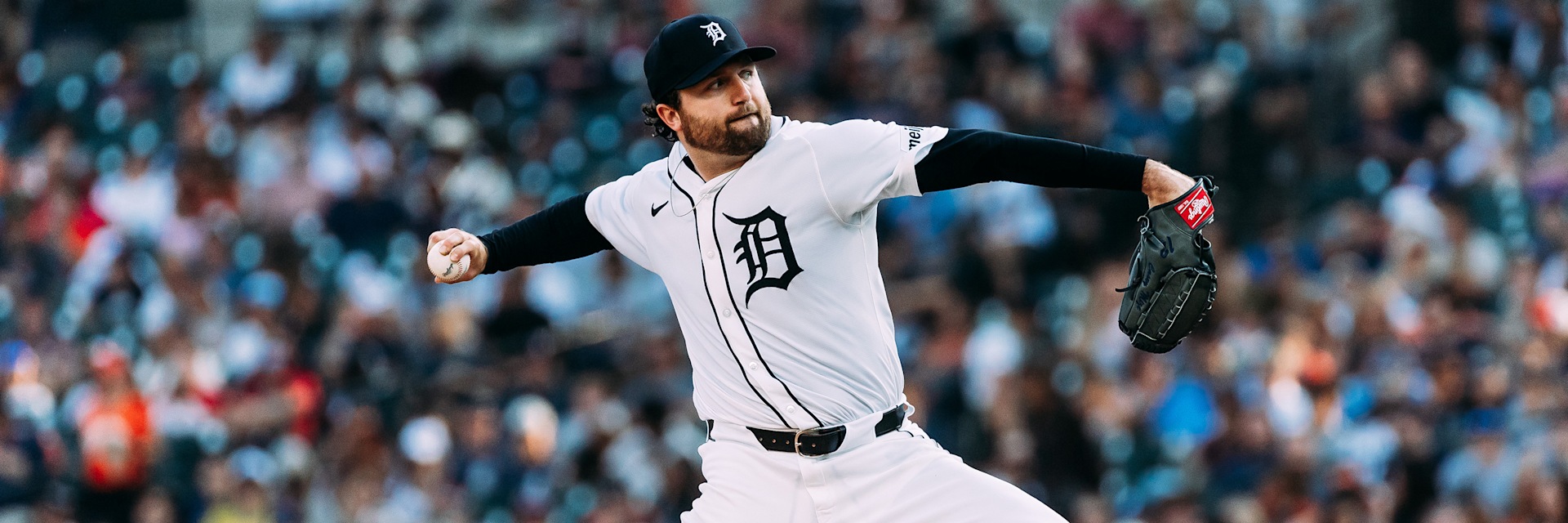

ST. LOUIS — When Dustin May’s teammates wrapped their arms around him in the Cardinals dugout Wednesday, the gesture was not celebratory. It carried the weight of a goodbye that had not been announced yet — the kind of hallway handshake that moves faster than a front office press release.
The scene, which the Fox Sports broadcast booth immediately dubbed a “hug watch,” crystallized what the Cardinals’ front office has been signaling for days: the 28-year-old right-hander is available, the conversations with buyers are real, and the August 3 deadline is three days away.
The Cubs entered Wednesday’s trading-day noise as the most prominently linked destination, with one report describing a deal as a “deadline shocker” — language that signals genuine surprise not at the trade itself, but at how deep Chicago is willing to reach into its prospect well to pull it off.
May signed a one-year contract with St. Louis last December, a reclamation experiment for a pitcher who spent years bouncing between seasons of genuine dominance and the disabled list. The Cardinals got at least one payoff: a complete-game shutout that briefly quieted the noise about his command. The command kept returning as the louder story. A seven-run outing in Detroit left the club’s rotation calculations exposed, and by midseason it became clear St. Louis was not building toward October with this group.
“I’d love to stay,” May told reporters last week. That particular honesty tends to surface right before it becomes irrelevant.
The Cardinals have made their deadline intentions concrete on multiple fronts. Reports confirmed the team has a structured plan for both May and reliever Ryne Stanek, with each player drawing interest from contending clubs. Stanek, a right-handed setup piece with velocity that has held up through the summer grind, may move independently of May or alongside him depending on which offers land first.

The Cubs’ interest in May makes sense at the roster level, even if the headline obscures the roster reality. Chicago’s rotation has depth but not depth and durability. Edward Cabrera, acquired from the Marlins in January when the Cubs surrendered their top prospect Owen Caissie, has given the club innings without giving it certainty. A second arm with May’s experience — whatever the ERA says — changes the calculus in a five-game series. The question every Cubs executive is weighing is not whether May is worth having, but what prospect currency it takes to get him before a rival does.
The Dodgers have surfaced in the reported conversation as well. May is a former Dodger, drafted and developed in Los Angeles before he made his way east via Boston and then St. Louis. There is always a reunion narrative available to a former Dodger, and Los Angeles has deployed that narrative as a recruitment tool more aggressively than any franchise in the sport.
What neither team has said publicly is what they are actually willing to give up.
That silence is the operative tension in a trade like this. May is not Tarik Skubal, who entered trade conversations at a different altitude entirely — his 1,000th career strikeout arrived this week with the feel of a public farewell from Detroit. May’s market is more complicated: the command issues are real, the ceiling is real, and the asking price has reportedly climbed as the deadline has drawn closer.
That last detail matters. Reports circulating Thursday suggested the Cubs’ level of interest may have inadvertently signaled urgency to the Cardinals, and that the asking price moved in response. Prospect packages for deadline rentals have a ceiling; the Cardinals appear to be testing where that ceiling sits.
At the same time, Mason Miller’s situation in San Diego — where the Padres have yet to determine whether their most coveted closer will be moved — is a reminder that deadline decisions rarely resolve cleanly until they do. The Cardinals may decide May is more valuable to a 2027 rotation, particularly if he accepts a qualifying offer or a short extension. The Cubs may find the asking price prohibitive and redirect toward Trevor Rogers in Baltimore. The Dodgers may decide their rotation is deep enough without him.
Or May might be pitching for a new team on Sunday.
The broader trade market this August has moved with unusual speed, driven partly by the labor shadow that coming collective bargaining negotiations have cast over long-range commitments, according to reporting from earlier this summer. Teams are reluctant to part with controllable players for short windows. May represents one of the few deadline acquisitions available where the risk is already priced in — everybody knows what the command issues look like, everybody knows the ceiling above those issues, and the one-year contract means the acquiring team is not inheriting a structural obligation.
That transparency is an odd kind of selling point. But at 4 p.m. Eastern on August 3, it may be exactly what closes the deal.
What remains unresolved Thursday evening is the central question: whether St. Louis moves May at all. The Cardinals have the plan. They have the interested parties. Yahoo Sports reported the scene Wednesday — teammates hugging May in the dugout, the broadcast booth naming the moment — but what they do not yet have is an offer that makes the phone call worth returning.
The hug watch continues.