
LOS ANGELES – Three days before Netflix’s documentary about the University of Idaho murders began streaming, Bryan Kohberger told The New York Times from his prison cell that he is innocent and that his guilty plea must be withdrawn. The timing was not lost on anyone connected to “The Idaho Murders: College Nightmare,” which premiered Tuesday carrying exclusive bodycam footage, police interviews, and the testimonies of four victims’ families. Those testimonies were recorded before the man serving four consecutive life sentences for those murders decided his confession no longer stood.
The convergence is a story no documentary can contain. Skye Borgman directed the three-part Netflix series with the explicit intention of redirecting attention from the perpetrator to the four people he killed. “This was never a story about who did this,” Borgman said. “It’s a story about who they were.” On July 26, Kohberger made that framing considerably harder to sustain.
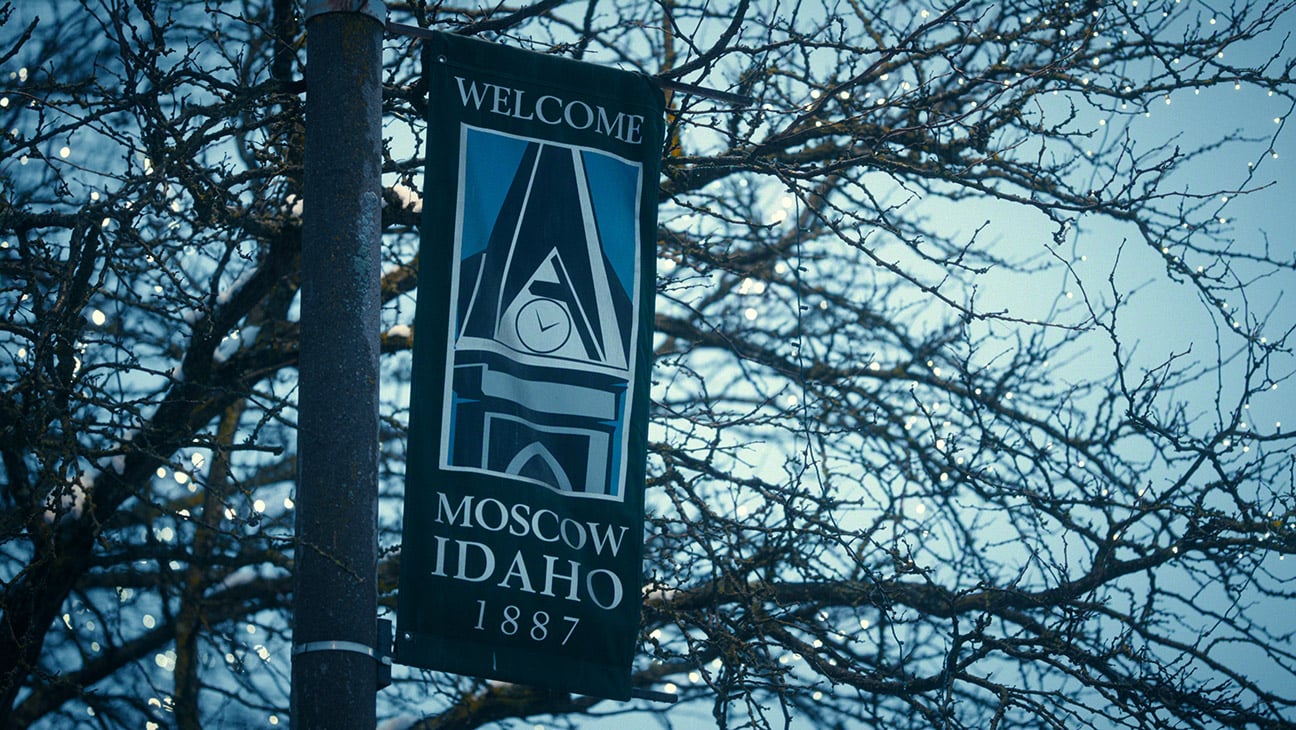
What premieres today is a meticulously assembled account of the November 13, 2022 murders near the University of Idaho campus in Moscow, Idaho, that left Kaylee Goncalves, Madison Mogen, Xana Kernodle, and Ethan Chapin dead. It is a document built on trust: the trust of grieving families who granted the filmmakers access to some of the most painful chapters of their lives, and the trust of law enforcement who shared footage that had not previously been made public. Whether it remains a document about a closed case is now a question beyond the control of anyone at Netflix.
Kohberger, a criminology doctoral student at Washington State University when investigators linked him to the killings through DNA found on a knife sheath at the crime scene, was arrested in Pennsylvania six weeks after the murders. In the summer of 2025, with his trial approaching, he accepted a plea deal: four counts of first-degree murder and a felony burglary charge, in exchange for the death penalty being removed from consideration. The judge asked him directly whether he was pleading guilty because he was guilty. He said yes.
Now he claims his attorneys manipulated him into the deal through what he described as “false promises and blatant disinformation.” He alleged they promised better prison conditions, withheld evidence he says would demonstrate his innocence, and frightened him with exaggerated accounts of what life on death row would look like. “My actual innocence is my truth,” Kohberger wrote in a statement provided to The New York Times, “and the plea, hinged on by false promises and blatant disinformation, MUST be withdrawn.” His former defense attorneys have not publicly addressed the specific allegations. No Idaho court has yet ruled on the petition.
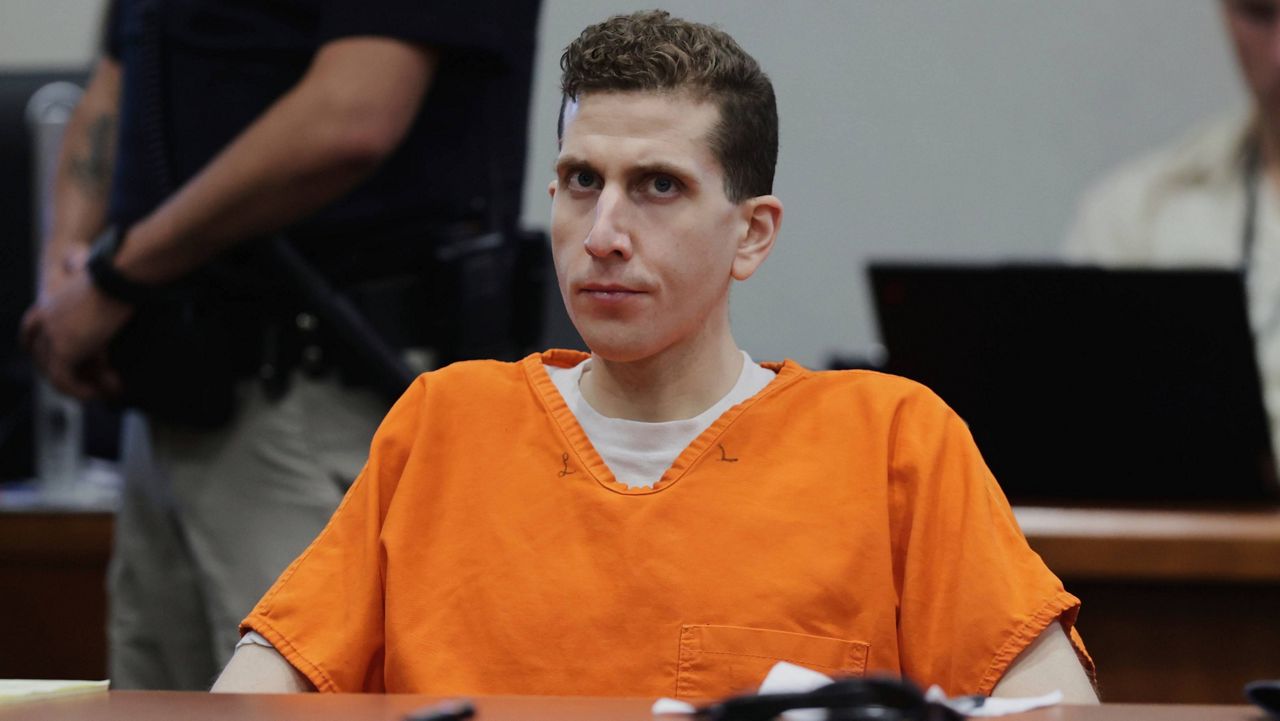
For the Goncalves family, Kohberger’s announcement arrived as another demand to fix their attention on the man who killed Kaylee instead of on the daughter they lost. Alivea Goncalves, Kaylee’s older sister, appears in the Netflix series delivering a victim impact statement that refused to offer Kohberger the emotional display he might have expected. “I won’t stand here and give you what you want. I won’t offer you tears. I won’t offer you trembling,” she told him in court. When his innocence claim emerged this week, the family’s response was equally direct: every ounce of energy directed at freeing a guilty man is energy taken from honoring the dead.
The legal path Kohberger is attempting is narrow. Post-sentencing plea withdrawals require a finding of manifest injustice, a standard that asks courts to find either that the plea was involuntary, that defense counsel failed at a constitutionally significant level, or that prosecutorial misconduct infected the proceedings. Kohberger already answered yes, under oath, when a judge asked whether he was pleading guilty because he was guilty. Legal analysts who reviewed his motion described his chances of success as limited, though what exculpatory evidence his legal team may actually possess has not been examined by any court.
The Netflix series was built to answer different questions. With executive producer Joe Berlinger helping shepherd the production, Borgman took a deliberately unhurried approach, waiting until after Kohberger’s sentencing to conclude filming. That patience gave the filmmakers access to bodycam footage, police interviews, and forensic material that competing projects from Peacock and Prime Video could not include because they rushed to release before the case resolved. According to The Hollywood Reporter, Borgman’s approach placed the victims at the center of every production decision, yielding what critics have called the most complete documentary account of the case yet assembled.
“Making this series became deeply personal to me,” Borgman has said, “because I felt a responsibility to keep Kaylee Goncalves, Madison Mogen, Xana Kernodle, and Ethan Chapin at the center of every decision we made.” That responsibility shaped the structure of every episode: the victims come first, the investigation comes second, the perpetrator functions as context rather than subject. The legal maneuver Kohberger set in motion three days before the premiere introduces something those choices could not account for. The question is not whether the series is accurate about what happened, but whether the case it treats as settled is actually finished.
Kohberger’s July 26 statement was his first public comment on the murders since his arrest in Pennsylvania in December 2022. His claims are disputed, the evidence his attorneys allegedly withheld has not been placed before any court, and Idaho’s judiciary has given no indication of when it might take up the petition. What is not in dispute is what happened to Kaylee Goncalves, Madison Mogen, Xana Kernodle, and Ethan Chapin before dawn on November 13, 2022. The documentary that premieres today began as an effort to ensure the night that ended their lives is not the only thing for which they are remembered. How long Kohberger’s motion keeps the focus on himself is a question no streaming date can resolve.