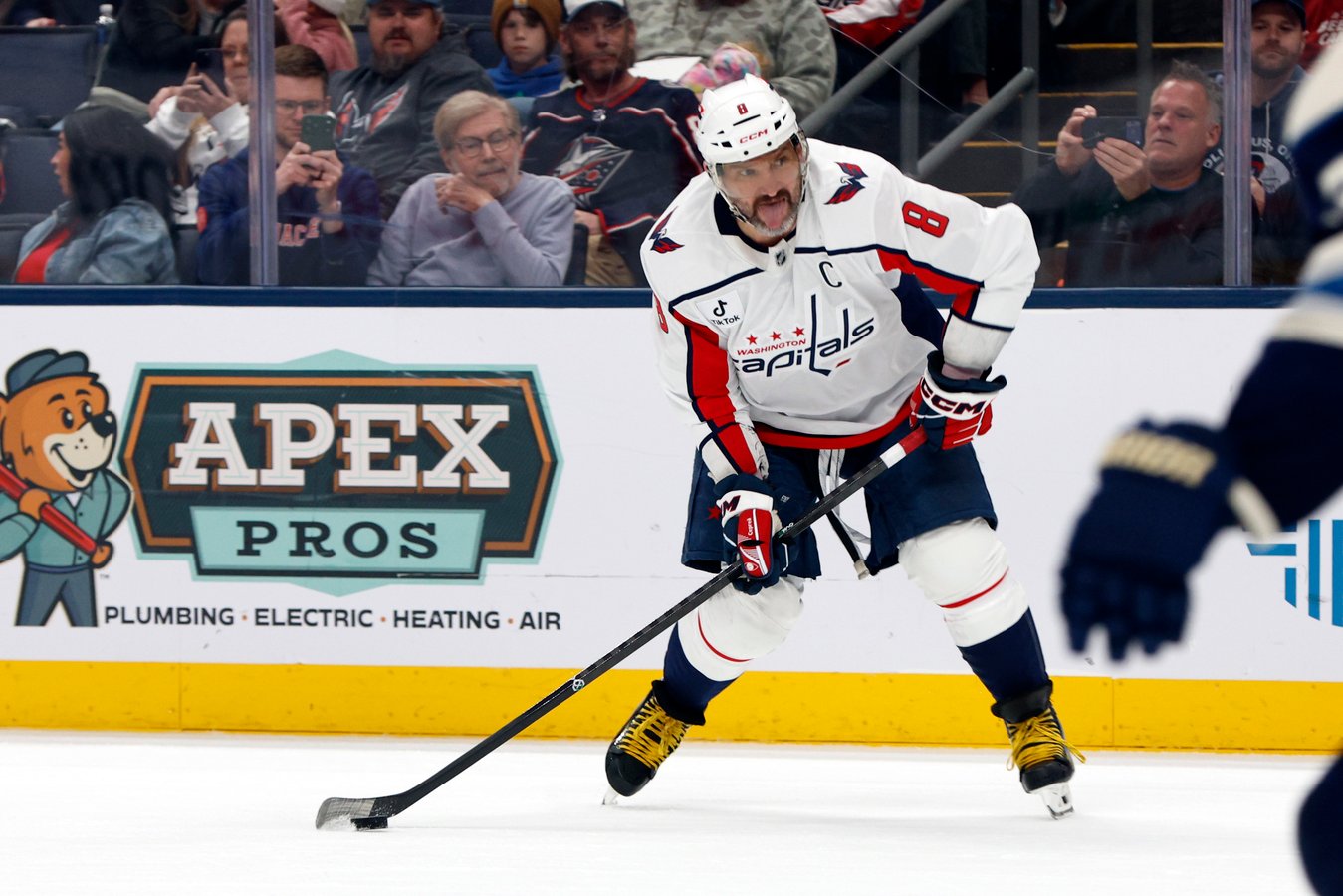

WASHINGTON – Four times a game, Alex Ovechkin raises his hand at the Washington Capitals bench and waits. The equipment staff arrives with fresh gloves. He pulls on the new pair, steps back onto the ice. The old ones – the ones he wore for one shift, maybe two – go back to the bench to dry.
He has done this for twenty-two NHL seasons. He has 929 goals.
In an interview with FONBET released this week, Ovechkin described the routine with the specificity of someone who has thought about this problem for a very long time. After one shift, he said, his gloves are already different. Moisture from the ice, from sweat, from the physical work of playing – it changes the material, and the changed material changes his grip, and his grip on the stick determines everything that matters on a shot or a pass. “When you have grip on the stick, it still slips for me,” he said of wet gloves. The solution he arrived at: do not tolerate wet gloves. “I absolutely love new gloves,” he said. “If they gave me new gloves every game, I would play only in new gloves.”
The logic is straightforward. The dedication required to apply it consistently, for twenty-two seasons, over tens of thousands of game shifts, is not.
This is not the equipment behavior of a player trying to find an edge. It is the behavior of a player who identified the exact conditions under which he performs at his best and then built every available routine around maintaining those conditions. The gloves are one component. He also cuts and tapes his sticks himself before games – every game, at home and on the road. When the Capitals travel, Ovechkin arrives at the arena with pre-cut sticks prepared in advance, so the dimensions – the length, the blade angle, the amount of material removed – stay exactly the same regardless of which city the team is playing in. The consistency is the point.
Before power plays, when his shot becomes the most valuable asset in the Capitals’ offensive structure, he frequently requests new gloves and a fresh stick simultaneously. He resets both pieces of equipment specifically for the ice time where the precision of his release will matter most. Whatever happened on the previous shift – whatever moisture accumulated, whatever wear was introduced – does not carry over. He begins the power play with the same equipment conditions he would want at the start of the game.
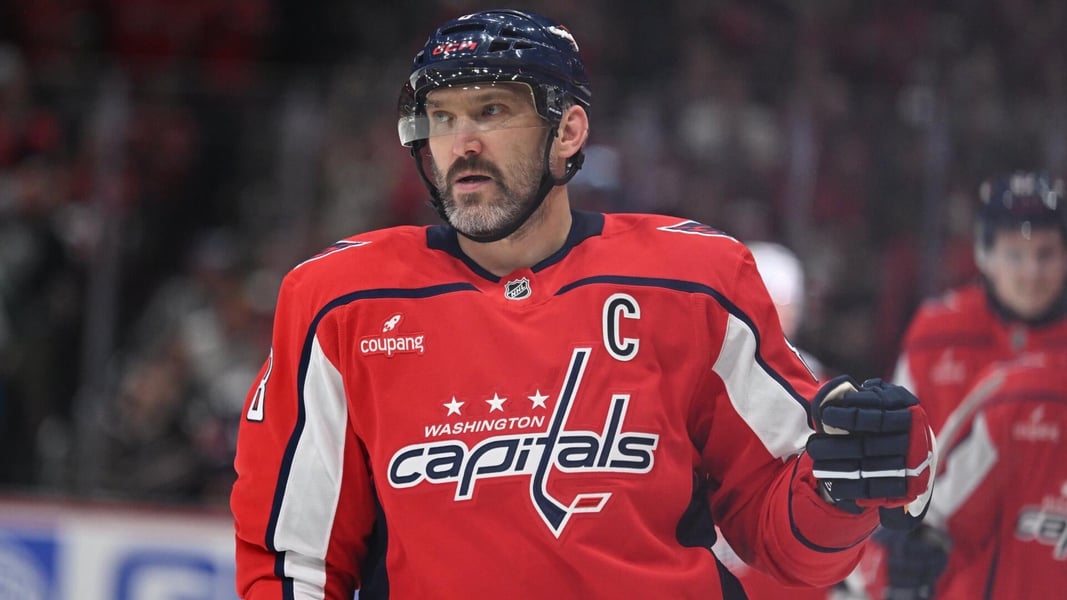
The Capitals’ equipment staff has accommodated this for his entire career in Washington, which began in 2005 and, with a one-year re-signing this summer, extends into a 22nd NHL season. The relationship between Ovechkin and the people who bring his gloves has been part of his professional life for longer than most current NHL players have been in the league.
The milestone context matters here. Ovechkin reached 929 goals on a career that moved through several stages – the record-pace seasons of his late twenties, a brief stretch in his mid-thirties when injury limited him, and then a return to the scoring rates that most observers assumed belonged only to his earlier self. Collecting memorabilia from goals since 800 for a planned Moscow museum, as he has said he is doing, places the equipment he uses – the sticks, the gloves, the skates – in a different context than they occupy during a game. During a game they are tools. In the museum, they become evidence of what those tools were capable of producing.
The pre-game preparation that keeps the tools functioning is the less visible half of the same equation. The museum records the output. The glove change at the bench, the stick prep before the game, the road-trip pre-cuts – these are the input conditions. Ovechkin treats them with the same seriousness he would bring to a power-play setup or a line change.
Patrick Kane, who returned to Chicago this summer for a two-year deal, belongs to the same cohort of elite scorers who built careers on an unusually precise relationship between their hands and the puck. Kane’s particular attention to stick flex and blade curve is well-documented among equipment managers who have worked with him. The patterns among the league’s most durable producers – Ovechkin, Kane, the others who remained elite into their late thirties – include this level of equipment specificity. It is not superstition. It is an accurate understanding of where their performance depends on conditions they can manage versus conditions they cannot.
What Ovechkin cannot manage is the ice surface, the opponent across from him, or the shot the goalie makes to stop him. What he can manage is whether his gloves are dry when he takes the shot. He has made his choices accordingly.
The season opens in October. He will request new gloves at some point in the first period. He will request them again in the second. Four times, as he has for twenty-two years. The number of goals he has scored in exactly those conditions suggests the preference is working.