
CUPERTINO — At Apple, being the team that built Siri used to mean building the future. This week, roughly a hundred of those engineers found out they were building something the company has decided it no longer needs in its current form.
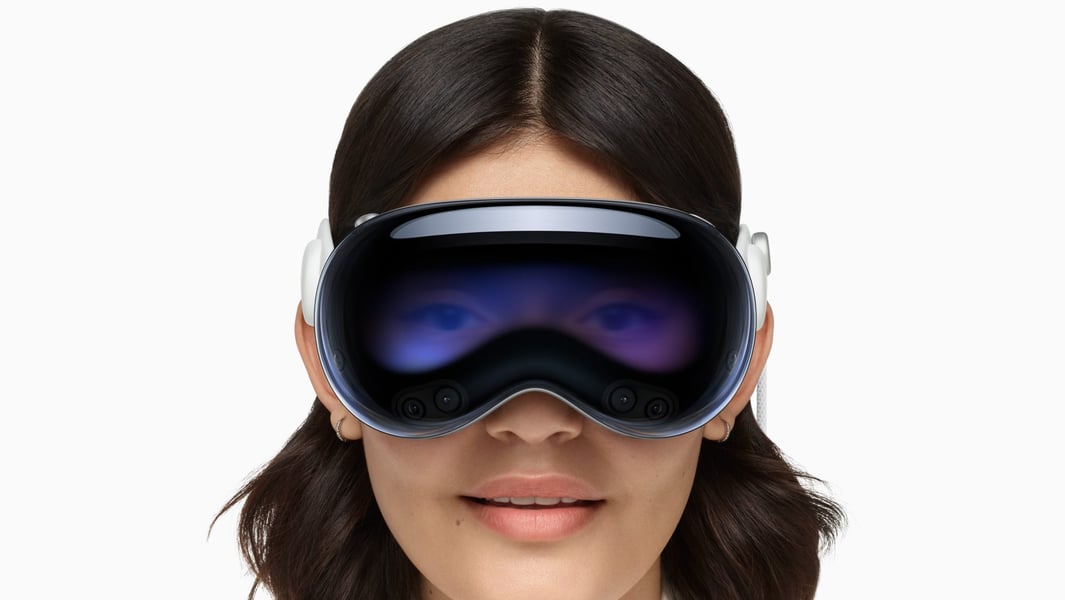
Apple confirmed Thursday it has cut more than 200 positions across its Siri and Vision Pro operations. The reductions span the Siri voice assistant team, the Intelligent Systems Experience group, which handles AI integration across Apple devices, and the Vision Pro division, where cuts reach into the immersive gaming and video teams that were developing software for the $3,499 spatial computing headset. Bloomberg first reported the scope; Apple confirmed in a statement the same day.
“While we will create new roles as part of this change, it will also impact a limited number of existing roles,” the company said. Apple framed the moves as an effort “to evolve our business to deliver the best experiences for our users.” Neither statement named which teams were losing jobs, when those departures would occur, or precisely where new investment would go.
What those two sentences leave unaddressed is the strategic logic the cuts themselves make visible. Vision Pro launched in February 2024 to enormous critical attention and then largely stalled in the market. Analysts had projected modest first-year sales even before the headset shipped; actual sell-through came in below those restrained expectations. The immersive gaming and video teams were building for a device whose market did not materialise at $3,499. The price was never incidental to the outcome.
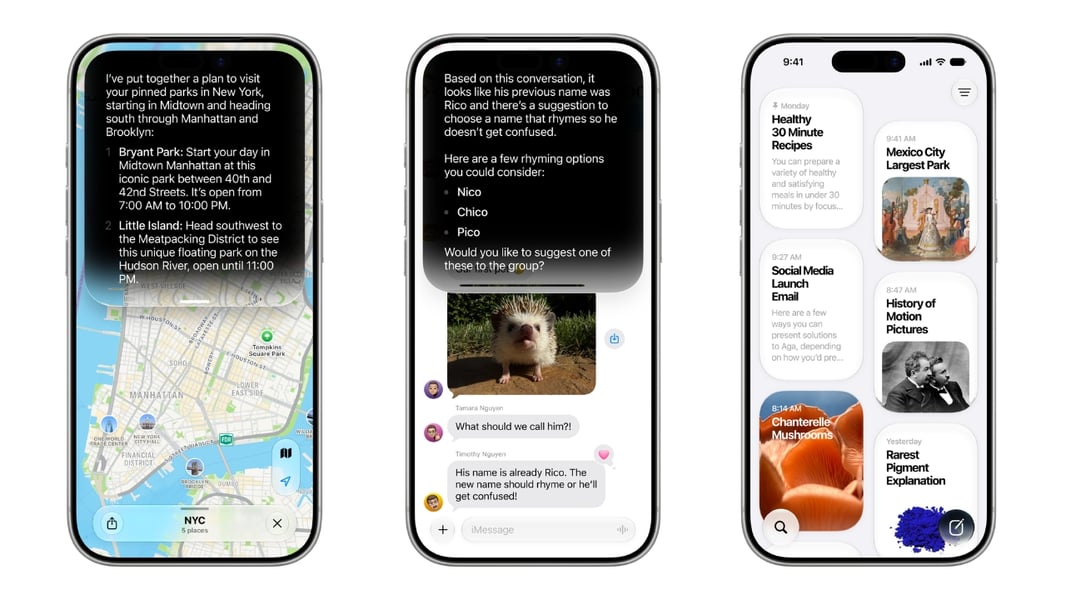
The Siri situation is a distinct category of problem with a longer history behind it. Siri was built for a particular moment in AI: voice commands, natural language parsing, task routing, developed well before large language models rewrote what users expected a voice assistant to actually do. Since OpenAI launched ChatGPT in late 2022 and Google followed with Gemini, the gap between Siri’s capabilities and those of competing AI assistants has been plainly visible to anyone using an iPhone for more than setting timers. Apple announced Apple Intelligence at WWDC 2024 and has been layering generative AI features onto its devices since, but the underlying architecture of Siri’s processing pipeline and the team that built it appear to be a different category of asset from the features Apple intends to ship next.
These are not layoffs driven by financial pressure. Apple reported $94.9 billion in revenue in the three months ending June 2026, and its cash reserves make it one of the best-capitalised companies on Earth. Bloomberg reported the cuts are redirecting headcount toward “newer AI efforts” and “new devices,” without specifying what those devices are. Smart glasses have occupied Apple’s rumoured near-term pipeline for years. Vision Pro’s commercial struggles, alongside the growing traction that lighter AI wearables have found with competitors, give that category a credibility it lacked eighteen months ago.
The people most acutely affected include those in the Intelligent Systems Experience group, which sits at the intersection of Siri’s future and the Apple Intelligence platform. That group works on the infrastructure connecting Apple’s cloud-side AI processing with on-device models, the pipeline that determines what features Apple can actually ship and at what speed. Which sub-teams absorbed the deepest cuts and which retained headcount to work on successor systems is something Apple has not disclosed. That gap matters considerably for understanding whether the company is rebuilding its voice AI on a fundamentally new architectural foundation or quietly contracting its ambitions in that space while building generative features elsewhere.
According to TechCrunch’s reporting on the restructuring, Apple has not specified when affected employees will leave or what severance arrangements are in place. No named executives from either division commented publicly.
The Apple Pay tap-to-pay rollout at Walmart and Sam’s Club, arriving by year’s end, points toward where Apple’s commerce and payments ecosystem is expanding even as its voice AI team contracts. The security architecture underpinning those same devices carries its own weight: Apple’s mercenary spyware threat notifications sent to iPhone users in 110 countries this week underscored how deeply the company’s software infrastructure sits inside the lives of the people using it.
Whether the same company that cut the engineers behind its current AI platform can build the next one faster and better than competitors who have not made the same trade is the question the restructuring raises. Apple has not answered it. It probably cannot yet.