
NEW DELHI — India’s specialty chemicals sector spent two years absorbing a price rout that few companies forecast and none could fully hedge. In Q1 FY27, the first signs of a structural recovery appeared in earnings across a sector that ranges from agrochemicals to fluorine chemistry to industrial adhesives.
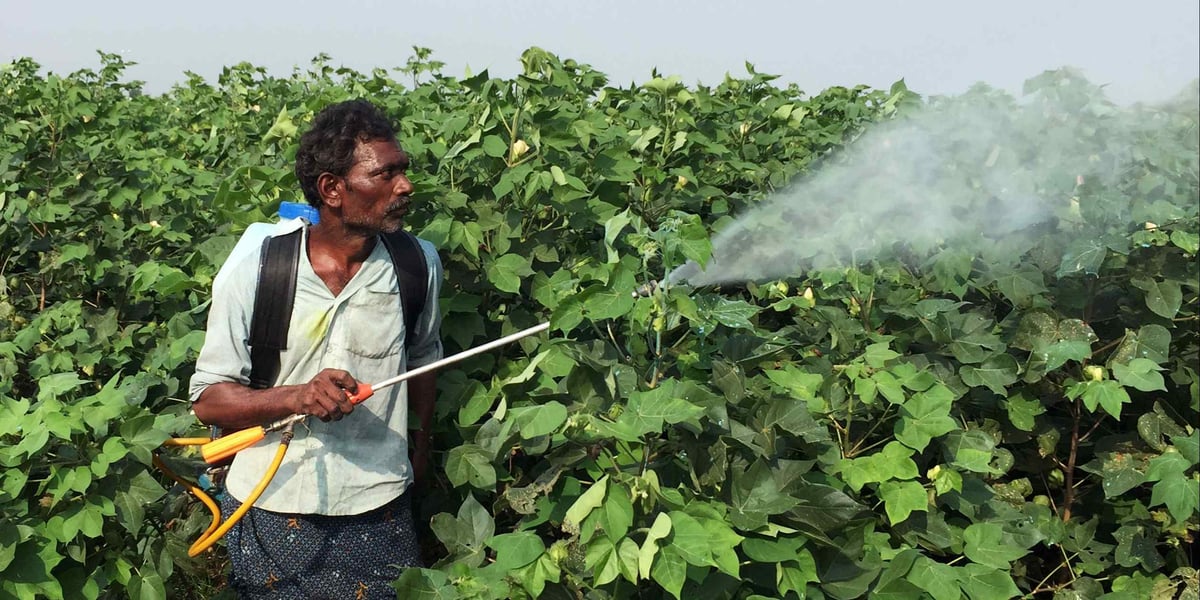
UPL Limited, the Mumbai-headquartered agrochemicals company that sells in 130 countries, reported consolidated revenue of Rs 13,200 crore for Q1 FY27, up 14% from Rs 11,580 crore in Q1 FY26. Net profit reached Rs 820 crore after UPL posted a net loss of Rs 420 crore in Q1 FY26 — a quarter in which global agrochemical inventory destocking and Chinese generic pesticide exports hit the sector simultaneously. The recovery is partial: UPL’s revenue remains roughly 8% below its Q1 FY25 peak, and debt from a $4.2 billion acquisition of Arysta LifeScience in 2019 continues to constrain financial flexibility.
Pidilite Industries, whose Fevicol brand commands an estimated 70% share of India’s adhesives market, reported Q1 FY27 revenue of Rs 3,460 crore, up 12% from Rs 3,090 crore in Q1 FY26. EBITDA margin reached 22.4%, up from 20.8% in Q1 FY26, driven by lower input costs — primarily vinyl acetate monomer, a petrochemical derivative — and pricing discipline in a market where Pidilite operates without meaningful competition. Net profit grew 19% to Rs 556 crore.
| Company | Revenue Q1 FY27 (Rs Cr) | YoY Change | PAT (Rs Cr) | EBITDA Margin | |||||
|---|---|---|---|---|---|---|---|---|---|
| UPL Limited | 13,200 | +14% | 820 | ~12.8% | |||||
| Pidilite Industries | 3,460 | +12% | 556 | 22.4% | |||||
| SRF Limited | 3,870 | -3% | ~410 | ~19.5% | |||||
| Deepak Nitrite | 2,290 | +9% | ~245 | 18.7% | |||||
| Navin Fluorine International | 710 | +21% | ~105 | ~21.2% | |||||
| Source: BSE/NSE filings, company Q1 FY27 earnings reports. | |||||||||
SRF Limited, which operates across fluorochemicals, specialty chemicals, packaging films, and technical textiles, posted Q1 FY27 revenue of Rs 3,870 crore, down 3% from Rs 3,990 crore in Q1 FY26. The decline masks a divergence inside the company: fluorochemicals revenue grew 18% year-on-year, driven by Indian capacity additions and a global shift away from Chinese fluorochemical suppliers accelerated by export controls. Specialty chemicals — the division serving global agrochemical and pharmaceutical manufacturers — fell 11%, reflecting persistent destocking by European and North American end-customers. SRF’s EBITDA margin of approximately 19.5% in Q1 FY27 is a modest improvement from 18.2% a year earlier, supported by the higher-margin fluorochemicals division offsetting the specialty chemicals drag.
Deepak Nitrite, which produces industrial chemicals and specialty intermediates, reported revenue of Rs 2,290 crore in Q1 FY27, up 9% from Rs 2,100 crore in Q1 FY26. EBITDA margin improved to 18.7% from 16.2%, reflecting a recovery in phenol and acetone prices from the multi-year lows of early FY26. Phenol prices — a key input cost indicator for the sector — rose approximately 22% in the March-June 2026 quarter after Chinese producers cut output in response to sustained losses on exports. The pricing shift reversed a 30-month compression that had eroded margins across India’s phenolics and downstream chemicals chain.
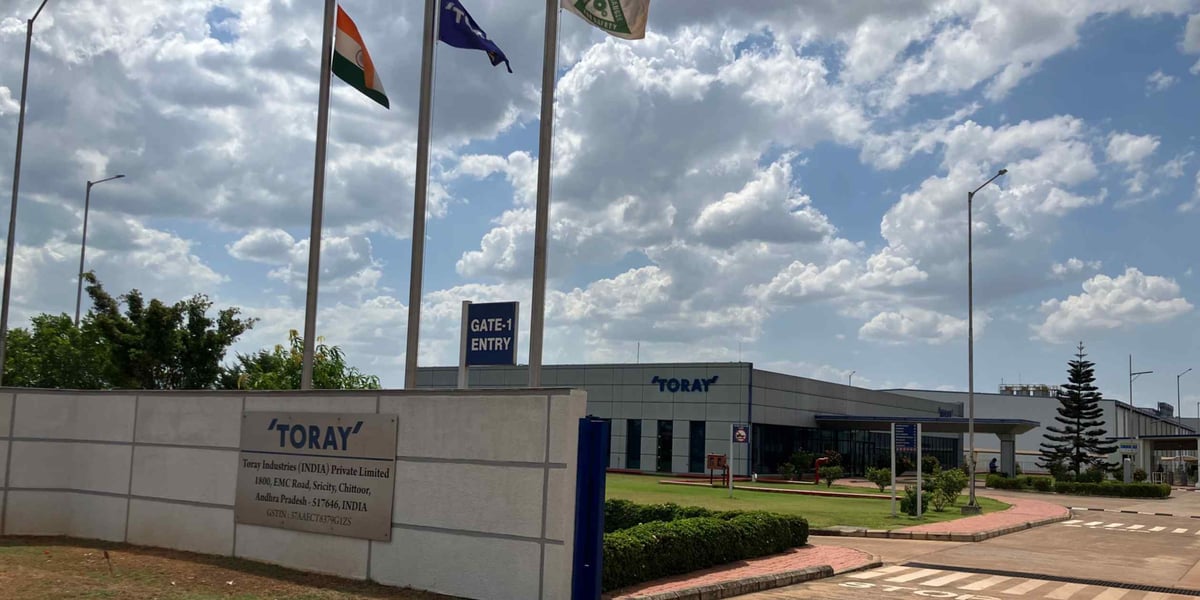
Navin Fluorine International, which operates at the high end of India’s fluorine chemistry capability, reported Q1 FY27 revenue of Rs 710 crore, up 21% from Rs 587 crore in Q1 FY26. The growth is asymmetric: Navin’s high-performance products division, which serves global agrochemical and pharmaceutical multinationals under multi-year supply contracts, grew 34% year-on-year. The commodity refrigerant business grew only 6%, constrained by global oversupply of hydrofluorocarbons. Navin Fluorine’s positioning reflects what India’s specialty chemicals sector is learning to differentiate: contract-backed specialty supply is structurally superior to commodity chemical manufacturing, which competes on price against Chinese producers with lower cost structures.
The structural question India’s chemicals sector has circled for three years is whether the China-plus-one shift — the decision by global manufacturers to dual-source specialty chemicals from non-Chinese suppliers — is a permanent realignment or a temporary negotiating posture. Q1 FY27 contract data suggests the former: volume commitments at SRF, Navin Fluorine, and Deepak Nitrite are underpinned by multi-year agreements that did not exist at this scale before 2022. The contracts came from a wave of sourcing diversification triggered by the 2020-21 supply disruptions and the 2022-23 Chinese export restrictions on a range of specialty chemical intermediates.
India’s Directorate General of Trade Remedies confirmed anti-dumping duties on 14 Chinese chemical product categories in Q1 FY27, adding to approximately 30 categories already protected. The duty structure narrows the channel through which Chinese pricing disrupts domestic markets — UPL’s domestic agrochemical business, Deepak Nitrite’s phenolics division, and smaller Indian producers of technical-grade pesticides all benefit from that protection. It cannot substitute for margin recovery, but it provides a floor beneath which competition does not reach.
The capital allocation divergence between companies is wide. Pidilite is deploying Rs 800 crore in FY27 on capacity and new product categories including construction chemicals. SRF is committing Rs 2,100 crore in FY27 to its specialty chemicals and fluorochemicals divisions, justified by long-term contract coverage. UPL is doing the opposite: debt reduction is its FY27 priority. The company ended Q1 FY27 with net debt of approximately Rs 28,000 crore, down Rs 3,800 crore from Q1 FY26 but still above the level at which ratings agencies consider the balance sheet comfortable for its business risk profile. UPL’s financial engineering problem — a large acquisition financed with debt into a sector that then saw a multi-year price cycle — has not been resolved by one good quarter.
India’s pharmaceutical sector, which is a primary end-customer for Indian specialty chemicals manufacturers, posted its own Q1 FY27 recovery driven by US generic market pricing and domestic formulations volume. The two sectors share a supply chain: active pharmaceutical ingredient manufacturers buy fluorine intermediates from companies like Navin Fluorine, and the recovery in pharma export volumes is a downstream tailwind for specialty chemical contract manufacturers.
The full FY27 picture for India’s chemicals sector hinges on two variables that Q1 did not resolve: the pace of European and North American end-customer destocking, and whether Chinese producers maintain the production discipline that lifted phenol, acetone, and fluorochemical prices in Q1. Several companies have guided Q2 FY27 as a transitional quarter — European order books are recovering but have not reached pre-destocking levels. Whether EBITDA margins hold above Q1 FY27 levels through the year, or whether Q1 was a local peak in the recovery curve, is what the next two quarters will determine.