
MUMBAI — On a Thursday when the Sensex shed 417 points and most sectoral indices moved lower, India’s real estate stocks delivered the session’s clearest statement of confidence in domestic demand. The Nifty Realty index closed 2.58 percent higher at 916.15, touching an intraday high of 920.35, a performance that said less about that day’s broader market turbulence than about what buyers and developers are positioning for: the festive season buying window that opens with Navratri in October.
Brigade Enterprises was the standout mover, surging 11.30 percent on heavy volume, a gain that reflected strong advance booking response to the company’s upcoming residential launches in Bengaluru and Chennai. Anant Raj followed with a 9 percent jump to Rs 640.25, with 21.23 million shares changing hands on the NSE and BSE combined, among the day’s highest volume prints in the realty index. Aditya Birla Real Estate added 3.44 percent. Godrej Properties climbed 2.31 percent. DLF, which carries a 26.86 percent index weight and moves the Nifty Realty needle more than any other constituent, rose 1.93 percent. Prestige Estates Projects and Macrotech Developers, the company that transformed from Lodha Group into India’s largest listed developer by sales, both advanced through the session.
The Nifty Realty index has risen 21 percent over the past three months against a 2 percent Nifty 50 gain, NSE data shows. That gap is wider than any other major sectoral index in India and reflects a thesis that has been building since December: the Reserve Bank of India’s cut of the repo rate to 5.25 percent has passed through to home loan pricing in a way that is actually moving buyers.
Major Indian banks are now offering mortgage rates starting near 7 percent, the lowest since 2022. That number has changed the homebuyer calculus in India’s premium residential segment. Developers raised prices alongside the rate cycle in 2024, partially offsetting the theoretical affordability gain. But the combination of a 5.25 percent repo rate, banks competing for mortgage market share, and two consecutive quarters of supply constraint has pushed enough fence-sitters into actual purchase decisions.
India’s top eight cities recorded 91,729 home sales in the April-June quarter of 2026. Of those, 71 percent were priced above Rs 1 crore, up from 59 percent a year earlier. The shift toward premium reflects both genuine demand and deliberate developer strategy: margins are structurally higher in the Rs 1.5 crore and above range, and buyer profiles at that price point carry lower default risk. Launch pipelines have followed the margin.

The festive launch calendar begins this month. Prestige Estates has projects entering the market in September, ahead of Navratri and the Diwali-driven buying peak that follows in October and November. That window concentrates bank promotional mortgage campaigns, which temporarily lower effective borrowing rates, alongside builder site visit traffic and developer incentive packages. The combination historically translates inquiry volume into executed contracts at a rate that outperforms off-season months by a significant margin.
Brigade’s 11.30 percent Thursday gain is the market pricing in that conversion. The Bengaluru-based developer’s residential launches have sold out substantially at the initial launch phase in each of the past three years. Bengaluru’s combination of technology sector employment, younger homebuyer demographics, and comparatively affordable land pricing relative to Mumbai and Delhi has made it South India’s most reliable volume market for mid-premium product in the Rs 80 lakh to Rs 2.5 crore range.
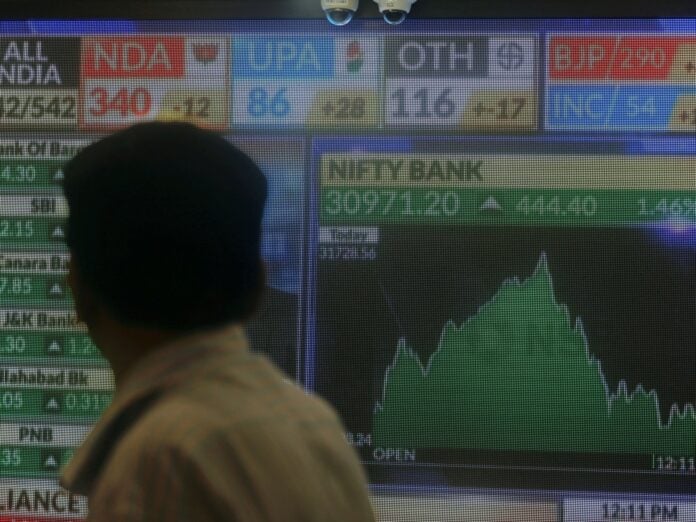
The Sensex’s 417-point decline on September 3 came from a different part of the economy: IT stocks facing US spending pressure, FMCG companies absorbing oil-cost inflation, pharma stocks down on regulatory overhangs. Those sectors carry dollar-denominated revenue or import exposure. Realty’s buyer base does not. The Bank Nifty’s 0.36 percent advance on the same session reinforced the pattern that has held through August: sectors earning in rupees from Indian consumers are the market’s safe harbour when global cost-push conditions weigh on the indices.
What September 3 does not resolve, and what October and November sales disclosures will, is whether the festive season converts this year’s high inquiry volumes into the booking numbers that DLF’s Rs 20,000 crore target and Macrotech’s similarly aggressive guidance require. The launch pipeline is in place. The interest rate architecture is the most buyer-friendly it has been in four years. The unanswered question is whether the buyers who called the site office in September come back with a cheque in October.