
MUMBAI — The number that mattered most for Nifty Metal on Thursday was not printed in Mumbai. It came out of Beijing: China’s official manufacturing PMI stayed below 50 for a second straight month, CGTN reported, signalling contraction in the world’s largest consumer of steel, copper, and aluminium, and the market for Indian metals stocks answered accordingly.
Nifty Metal retreated on September 3, 2026, dragged by declines across Tata Steel, JSW Steel, and Hindalco Industries as global base metal prices softened on the London Metal Exchange. The index’s move mirrored the pressure on the Sensex, which fell 417 points on the same session, but the metals selloff had its own logic, one that sits closer to Hebei province than to Dalal Street.
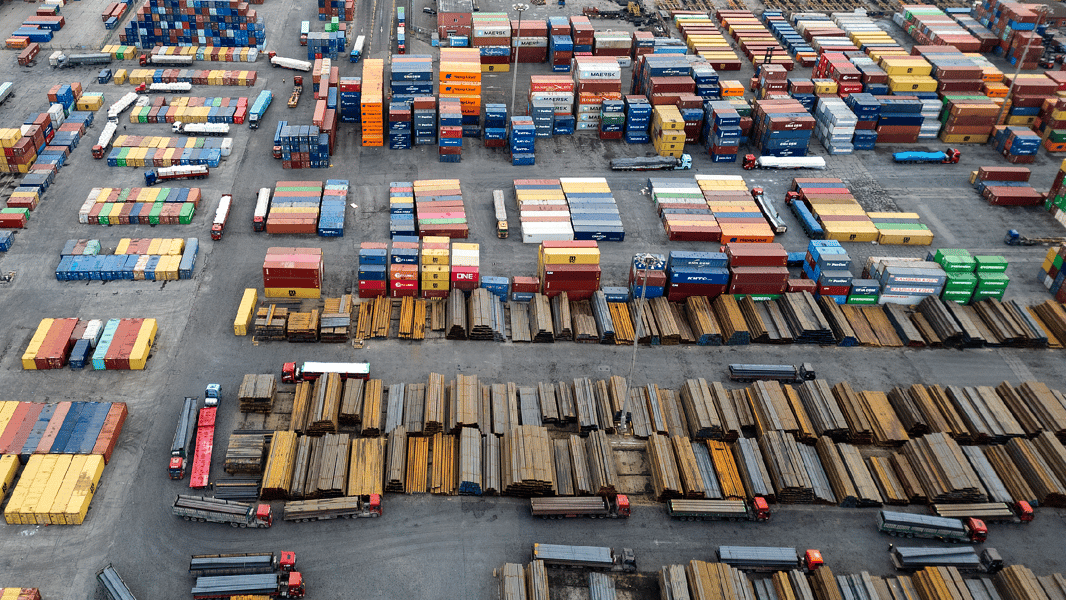
China’s steel industry had entered a period of deliberate restraint. Government-directed output cuts, introduced in late 2025 to address overcapacity and reduce carbon intensity, had initially been read as supportive for global steel prices because Chinese exports would fall. That logic has since unwound. Domestic Chinese demand has not recovered fast enough to absorb even the reduced output, and Chinese mills have continued pushing material into export markets at prices that undercut Indian producers’ margins on their own Southeast Asian customer base.
Tata Steel carries the most direct exposure to this dynamic. Its European operations, centered on Port Talbot in Wales, which the company has been restructuring with partial UK government funding, remain in transition, and its Indian business, which had been the stronger contributor to group margins through 2025, now faces a pricing environment where import competition from Chinese mills has narrowed the spread between domestic and global benchmark prices.
JSW Steel, India’s largest producer by volume, had guided for a strong September quarter when it reported June results, citing infrastructure project demand and automotive sector orders. Thursday’s session reflected scepticism about whether the guidance will hold if global hot-rolled coil prices continue to slide. The spread between Indian domestic HRC prices and Chinese export quotes has narrowed to a point where the landed cost of Chinese material, even after adding anti-dumping duties, is competitive in some downstream segments.
Hindalco Industries occupies a different part of the metals complex. Its aluminium business in India and the Novelis subsidiary in North America and Europe give it a more geographically diversified earnings profile than either Tata Steel or JSW. But LME aluminium prices fell on Thursday alongside copper, reflecting the same signal: a weaker-than-expected Chinese industrial demand read. Novelis’ automotive sheet business is insulated from Chinese competition in a way that Hindalco’s upstream operations are not, but equity markets tend to trade the index rather than the business unit.
The copper component of Thursday’s LME weakness deserves attention separately. Copper prices have been under pressure not only from the China demand read but from rising inventory levels at LME warehouses, a signal that physical demand from construction and manufacturing sectors is not absorbing supply as readily as forecasts had projected. Indian copper consumption, driven by the power sector’s transmission infrastructure expansion and by EV-related wiring demand, has been growing, but India remains a net copper importer and LME pricing sets the reference point.
For Nifty Metal constituents that have meaningful export or import exposure, the rupee’s behaviour also matters. The currency held steady on Thursday, providing no tailwind or headwind to translated earnings, but any depreciation from here would complicate the import cost picture for aluminium and copper producers who buy raw material internationally.
The sector’s domestic story, government infrastructure spending, the construction cycle, the EV transition creating new metal demand vectors, has not changed on Thursday. What has changed is the global pricing environment that determines how much of that domestic demand growth converts into margin expansion. If Chinese exports continue to suppress global benchmark prices, Indian steel and aluminium producers will face a period where volume growth does not fully translate into profit growth.
Institutional positioning in Nifty Metal going into Thursday’s session had already reflected caution. The sector has underperformed the broader Nifty 50 since late July, a period when the China demand narrative began to deteriorate. Thursday’s decline was not a reversal of a crowded long but rather a continuation of a de-rating that is waiting for China’s PMI to turn back above 50 before it runs out of reasons to go lower.