
NEW DELHI — The summer quarter confirmed what India’s hotel industry has been signalling for two years: the domestic tourism cycle is not normalising back to pre-pandemic levels — it is building to something structurally higher. Indian Hotels Company Ltd, which operates the Taj brand, reported revenue of Rs 1,940 crore for Q1 FY27, up 18% from Rs 1,645 crore in Q1 FY26. Net profit reached Rs 310 crore, up 27%. The numbers land at the top of the sector’s Q1 performance band, and they are not an outlier.
India’s average hotel occupancy reached 72.3% in Q1 FY27, according to data compiled by hospitality consultancy HVS Anarock, the highest quarterly average since the sector began recovering in late FY22. Revenue per available room — the metric the industry uses to synthesise occupancy and pricing — grew 14% year-on-year for premium hotels and 11% for mid-market properties. The aggregate improvement is real. The distribution is not uniform.
| Company | Revenue (Rs Cr) | YoY Growth | PAT (Rs Cr) | Occupancy | RevPAR Growth | ||||
|---|---|---|---|---|---|---|---|---|---|
| IHCL (Taj) | 1,940 | +18% | 310 | 74.2% | +14% | ||||
| EIH (Oberoi) | 810 | +15% | 198 | 70.1% | +13% | ||||
| Lemon Tree Hotels | 370 | +22% | 62 | 75.8% | +19% | ||||
| Chalet Hotels | 420 | +20% | 78 | 73.5% | +16% | ||||
| Source: BSE/NSE filings, company Q1 FY27 earnings reports. | |||||||||
IHCL’s Q1 FY27 performance builds on a structural change in how the Tata-owned hospitality group operates. Rooms under management grew to 26,700 across 280 hotels — a number that includes properties IHCL manages but does not own, under its asset-light Ginger and SeleQtions brands. The asset-light share of IHCL’s portfolio has increased from roughly 40% to 52% over three years. That shift matters for returns: management fees flow at high margins, and new openings do not require capital investment. IHCL’s EBITDA margin in Q1 FY27 reached 33.1%, up from 30.4% in Q1 FY26.
EIH, which operates the Oberoi and Trident brands, reported revenue of Rs 810 crore in Q1 FY27, up 15% from Rs 705 crore in Q1 FY26. Net profit rose to Rs 198 crore. Oberoi’s positioning at the ultra-luxury end of the Indian market — average room rates on signature properties run above Rs 25,000 per night — insulates it from price competition in the mid-market. The trade-off is volume: EIH’s portfolio spans 31 hotels and approximately 3,500 rooms in India, a fraction of IHCL’s footprint. RevPAR grew 13% year-on-year, driven by sustained demand from international business travellers and high-spending domestic leisure guests.
The mid-market and economy segment, where Lemon Tree Hotels operates, produced Q1 FY27’s fastest growth rate by revenue percentage. Lemon Tree reported revenue of Rs 370 crore, up 22% from Rs 303 crore in Q1 FY26. Occupancy reached 75.8% — the highest in the company’s listed history. Lemon Tree’s appeal is structural: it targets corporate travellers, the MSME business segment, and domestic leisure guests who cannot afford Taj or Oberoi pricing but expect a standardised, reliable product. As India’s Tier 2 and Tier 3 city hotel markets develop, Lemon Tree’s model scales efficiently because construction costs and staffing are lower outside metros while corporate demand from manufacturing and logistics facilities in secondary cities is rising.

Chalet Hotels, which focuses on business hotels in metro locations, reported revenue of Rs 420 crore in Q1 FY27, up 20% from Rs 350 crore. Its properties in Mumbai, Hyderabad, and Bengaluru benefited from sustained corporate travel and a recovery in MICE — meetings, incentives, conferences, and exhibitions — demand that has taken longer to recover than leisure and individual business travel. The MICE segment in Q1 FY27 ran approximately 11% above Q1 FY26, according to industry estimates, driven by a pickup in corporate events deferred from the post-COVID period.
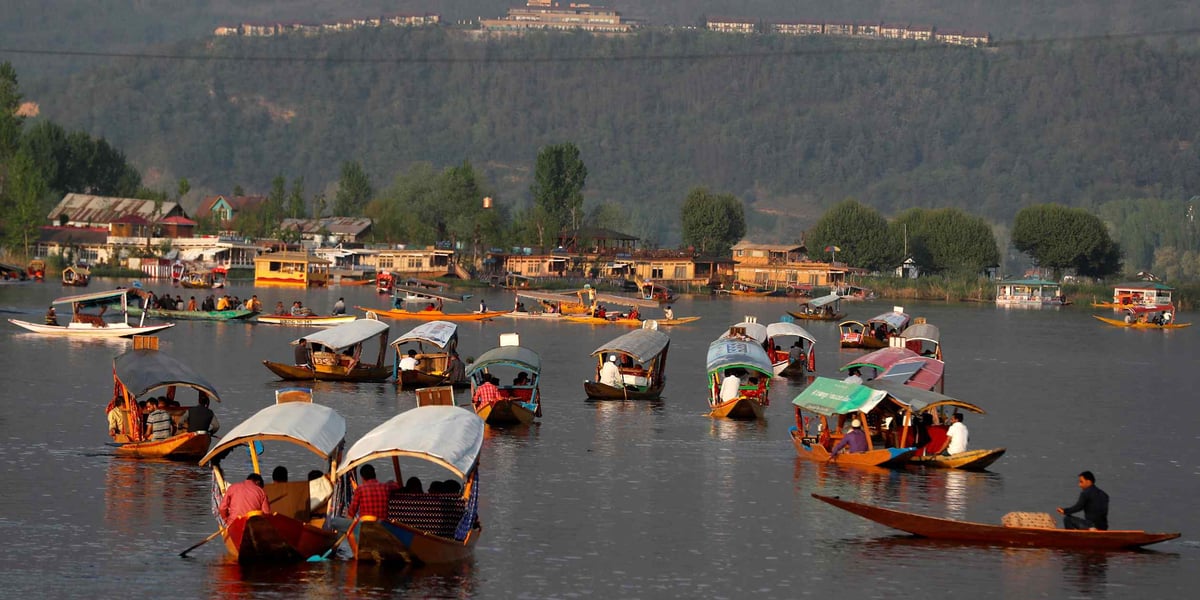
The Tier 2 dimension is what makes Q1 FY27 different from the previous three recovery quarters. Cities including Jaipur, Udaipur, Kochi, Coimbatore, and Varanasi saw hotel occupancy above 70% in Q1 FY27 — a threshold that most of those markets had not crossed consistently in the pre-pandemic period. The India Tourism Statistics report for FY26 recorded 1.97 billion domestic tourist visits, a new record. The volume is not concentrated in the top six metro markets; it is diffused across religious tourism, heritage tourism, adventure tourism, and wellness retreats, all of which draw from a middle-class base that expanded by approximately 80 million households over the preceding decade.
The supply-side constraint is real and likely to persist. Hotel construction takes three to four years from planning approval to opening, and the pipeline of rooms under development in India is approximately 75,000 — a number that covers less than four years of demand growth at the current absorption rate. Land acquisition, environmental clearances, and financing costs all constrain how fast new supply can enter. That supply tightness is what is sustaining RevPAR growth in a market where new supply would normally suppress pricing. IHCL’s asset-light strategy works partly because it grows room count through management contracts without waiting for owned hotel construction timelines.
The question Q1 FY27 does not answer is whether premium pricing holds through the monsoon and shoulder quarters. Q1 — April through June — historically benefits from summer domestic leisure travel, corporate Q4 offsites, and international tourist arrivals before the monsoon curbs outdoor travel. Q2 is structurally softer. Whether the 14% RevPAR growth rate of Q1 sustains into Q3 and Q4, when the real test of structural demand improvement occurs, will determine whether the full-year sector story matches the lead quarter.
India’s real estate sector posted its strongest Q1 FY27 in a decade, with residential demand from the same middle-class base that is filling hotel rooms. The two sectors are reading the same structural expansion. Neither has a clear view of what happens when supply eventually catches demand.