
MINNEAPOLIS — Jonathan Kuminga chose Minnesota over Hollywood and a Bulls rebuild, and that decision reshaped the Timberwolves’ summer in a single afternoon.
The former Golden State Warriors forward agreed to a two-year contract with Minnesota on Friday, committing to a franchise that spent most of August proving it was serious about competing again. Hours earlier, the Timberwolves had completed a trade with the Utah Jazz, acquiring 2024 lottery pick Cody Williams and veteran guard John Konchar in exchange for Josh Green, a deal that adds upside and cap-friendly depth to a roster Anthony Edwards has needed reinforcing since the team’s second-apron complications thinned its wings last winter.
Together, the two moves signal a Timberwolves front office that has stopped debating its identity. This is not a rebuild. It is a recommitment to Edwards, now 23, whose ability to carry a franchise through 82 games has never been the question. The question has always been what surrounds him when the games stop being regular-season exhibitions and start being something else.
The Kuminga decision carried its own gravity before Minnesota entered the picture. The Lakers pursued him. So did Chicago. Kuminga had options, the kind available to 22-year-olds who flashed brilliance in San Francisco without ever quite having enough of the ball to settle what they were. He averaged 15.7 points per game in 2024-25 on 53 percent shooting, made enough late-game plays to generate genuine bidding, and brought defensive versatility that let him guard three positions depending on the game state. He was one of several young forwards whose situations had been flagged in the trade rumor mill before the season began.
That he picked Minnesota, a market without glamour and without certainty about what comes after this season, over the Los Angeles Lakers says something specific about what the Timberwolves told him he would become there. The terms of his two-year agreement were not publicly disclosed.
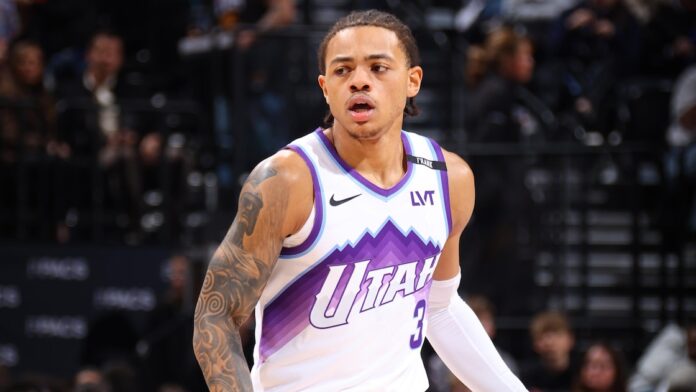
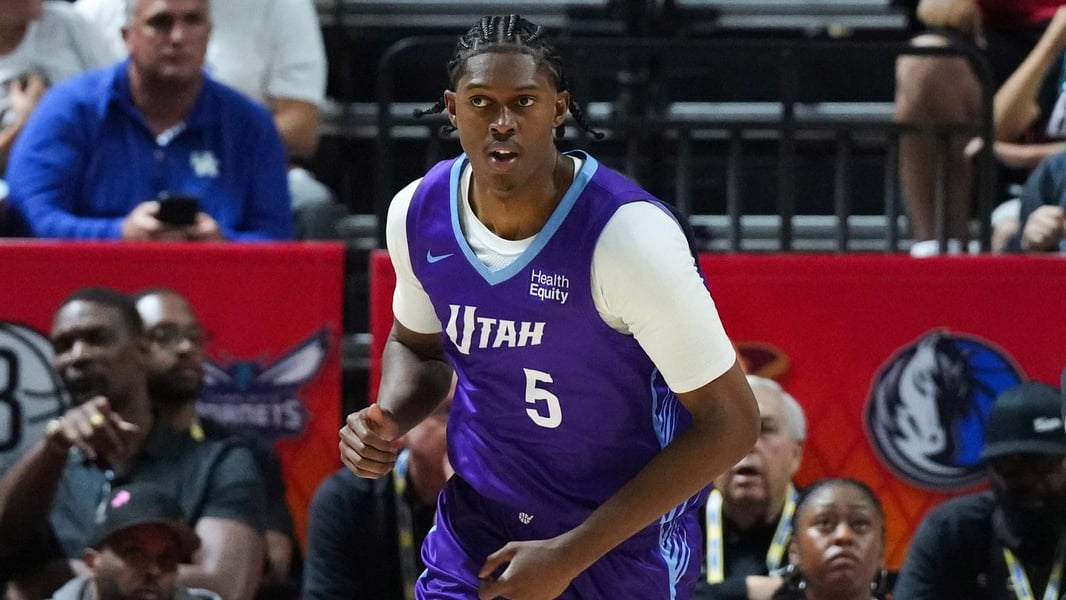
The Williams trade is a different kind of story. The Jazz, operating in systematic asset-accumulation mode for over a year, were more willing to part with a 20-year-old 10th overall pick than most organizations would be. Utah described the deal publicly as a win-now move, which tells you something about how the franchise valued Green’s contract relative to Williams’s upside. Green, who spent time with Dallas before joining Minnesota, gave the Timberwolves reliable rotational depth at the wing. Williams gives them something larger in theory: a 6-foot-8 forward with a 7-foot-2 wingspan who shot 41 percent from three at Colorado and can play either forward spot depending on the matchup.
How quickly he becomes usable in playoff situations is the central question Minnesota’s staff will work through from the first week of October. A team built around Edwards cannot afford a long runway for a player who arrived in a trade.
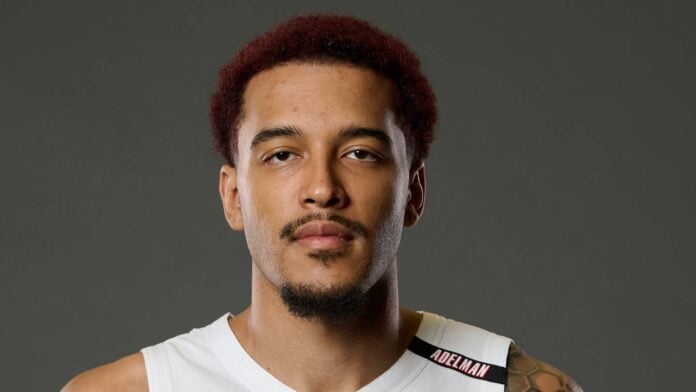
Konchar rounds out the transaction as an addition that fills a roster rather than transforms one. He shoots, moves the ball without overhandling it, and costs almost nothing in terms of cap flexibility. That last quality mattered specifically because Minnesota wanted to stay below the NBA’s second apron, the league’s most restrictive salary threshold. The second apron limits trade flexibility in ways that hurt the Timberwolves visibly last season, shrinking options at moments when they needed them most. Konchar’s contract, according to sources familiar with the negotiations, helped the franchise stay below that line without surrendering the third piece of the deal.
In a league where the second apron has quietly become one of the defining constraints on ambitious rosters, avoiding it is not a minor accounting decision. It is the difference between being able to respond to the season as it unfolds and being locked into whatever you had going in. Minnesota chose flexibility, which is itself a kind of bet.
The combination of Kuminga and Williams, if it works, gives Edwards what he lacked in the second round: a second perimeter creator capable of holding a defensive assignment when coverage collapses his direction, and a secondary scorer who can keep defenses honest without requiring the ball on every possession. It mirrors what contenders across professional basketball’s two major leagues have spent this summer trying to build around players in their mid-twenties.
The Western Conference will not accommodate a long adjustment period. Standings next April will settle what the offseason left open: whether Minnesota managed to thread the needle between rebuilding and competing, or whether it simply exchanged capable players for capable players while the same ceiling held. According to Yahoo Sports, the Jazz acquired Green as a versatile wing with an expiring contract, giving Utah the roster flexibility to continue its patient reconstruction. Williams and Konchar arrive in Minnesota before training camp opens.
What is not unclear is the conviction behind both moves. The Timberwolves believe this roster can compete for a top-three seed in the West. Whether Williams can become what they need him to be, and whether Kuminga’s game translates to a setting where Edwards controls the rhythm, remain questions only the season can answer.