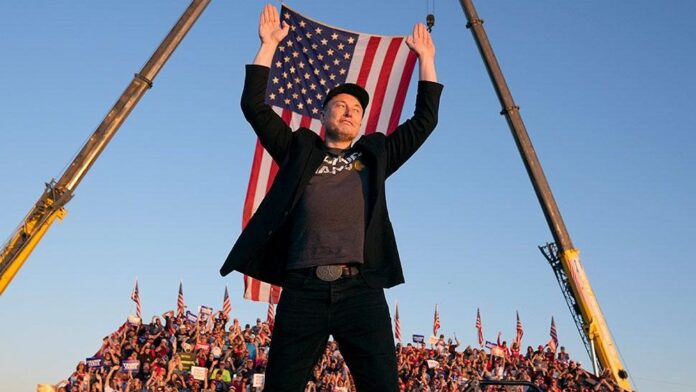

NEW YORK — Tesla Inc. has beaten every earnings estimate for two consecutive quarters, expanded its Cybercab robotaxi fleet, and posted energy storage numbers that no longer look like a secondary business. None of it mattered on Friday. What mattered was Kevin Warsh.
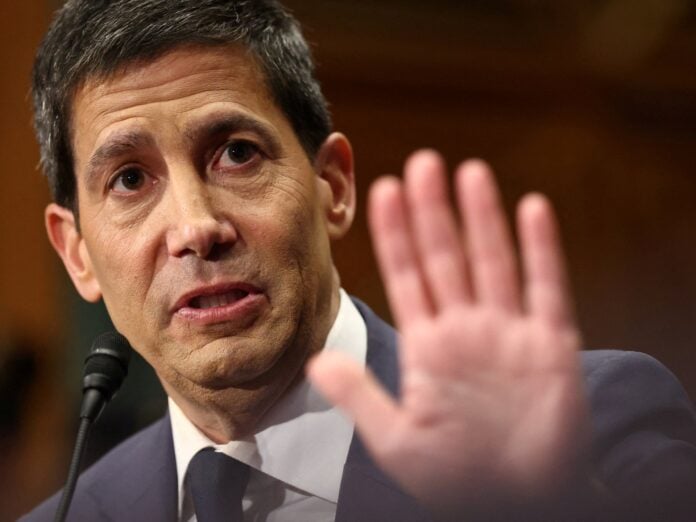
Tesla shares fell 2.36% to $387.51 after Federal Reserve Chair Kevin Warsh used his debut at the Jackson Hole Economic Symposium to signal that rate cuts are not coming soon — and possibly that a rate increase is next, CBS News reported. Economists now assign roughly 60% probability to a 25-basis-point hike at the September 16 Federal Open Market Committee meeting, NBC News reported. For an automaker selling vehicles that most customers finance rather than own outright, that signal carries direct consequences. The average 60-month auto loan rate for a new vehicle currently sits at 7.4%. A quarter-point hike pushes monthly payments on a financed Model 3 up by approximately $11 — a number small in isolation and cumulatively punishing after three years of tightening.
The Nasdaq Composite declined 0.5% on the day as the broader growth complex absorbed Warsh’s remarks. Tesla moved in line with the index in the morning session before selling accelerated in the afternoon, suggesting the EV-specific rate headwind compounded the general technology selloff.
Tesla’s Q2 results — delivered six weeks ago — gave investors genuine reason for confidence. Deliveries came in at 480,000-plus vehicles, beating estimates and reversing the prior quarter’s slowdown. Energy storage deployments hit 13.5 GWh, up 150% year-over-year, as the company’s Megapack factory in Lathrop, California, approached full capacity. Revenue from the energy and services segments now accounts for roughly 20% of total sales, a share that has tripled over 18 months. Chief Executive Elon Musk told analysts the energy storage business could eventually rival automotive revenues.
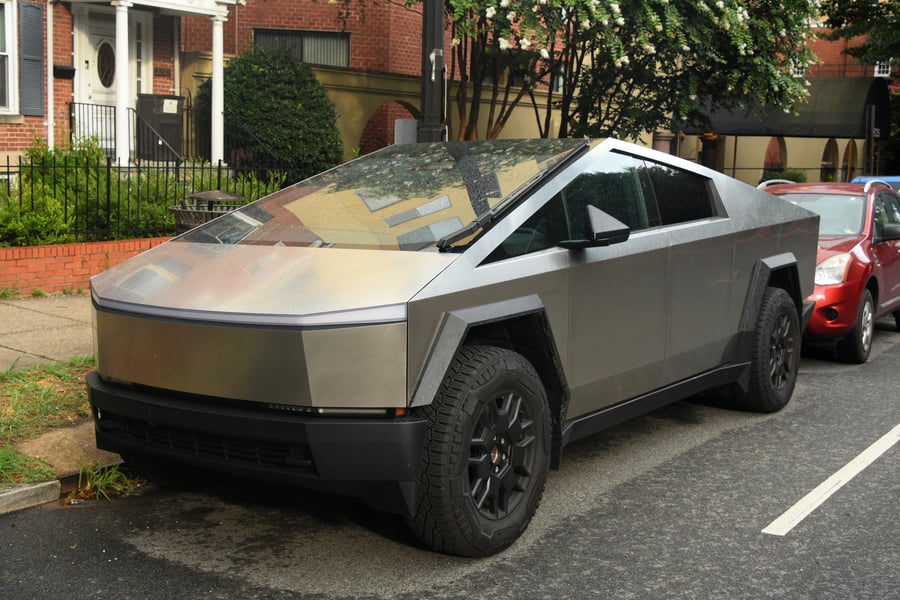
The robotaxi program is the variable Musk points to when delivery numbers alone don’t move the stock. Cybercab units are operating in Austin and Phoenix under supervised conditions, with a full commercial launch in both cities pushed to late 2026. The delay matters because Musk had framed autonomous ride-share revenue as the primary valuation catalyst through 2025. It has not materialized on schedule. Musk attributed the timeline to regulatory complexity — a structural uncertainty that higher rates do nothing to resolve.
Tesla’s competitive position in the EV market has stabilized since the last price war cycle. Chinese rivals BYD and SAIC are constrained by U.S. tariff structures that limit their ability to undercut Tesla on American soil. In Europe, the picture is more contested; price competition from BYD remains intense in Germany and the Netherlands, where Tesla’s market share has softened. Tesla has not indicated whether it plans another round of price reductions to stimulate volume through the second half.
NVIDIA shares also retreated Friday from Thursday’s historic $4 trillion market cap milestone, with the Warsh speech hitting rate-sensitive growth stocks across the technology complex. The interest rate variable that weighed on Tesla Friday is the same one compressing present-value calculations on NVIDIA’s future earnings — a reminder that monetary policy, not competitive positioning alone, sets the frame for both.
The 10-year Treasury yield held at 4.679% after Warsh’s remarks. At that level, the risk-free alternative to growth equities pays more than at any point since 2007. For institutional allocators choosing between Tesla at a forward price-to-earnings multiple in the mid-50s and a 10-year Treasury yielding 4.68%, the arithmetic has tightened materially.
The week as a whole told a more constructive story. Tesla gained 1.2% across the five sessions, supported by mid-week optimism around the Cybercab Phoenix expansion and by spillover enthusiasm from Thursday’s NVIDIA earnings — the market’s clearest signal yet that AI infrastructure spending is accelerating. That spending feeds Tesla’s energy storage business through data center demand for Megapack systems, a connection Musk has emphasized on recent calls.
The Nasdaq’s full session performance and weekly breakdown are covered separately. What isn’t resolved heading into the Labor Day weekend: the robotaxi commercial timeline, the Europe market share trajectory, and whether Friday’s rate-driven correction was a one-session recalibration or the opening move of a longer multiple compression. The company’s operating fundamentals have not changed since Thursday. The rate environment that values them has.