
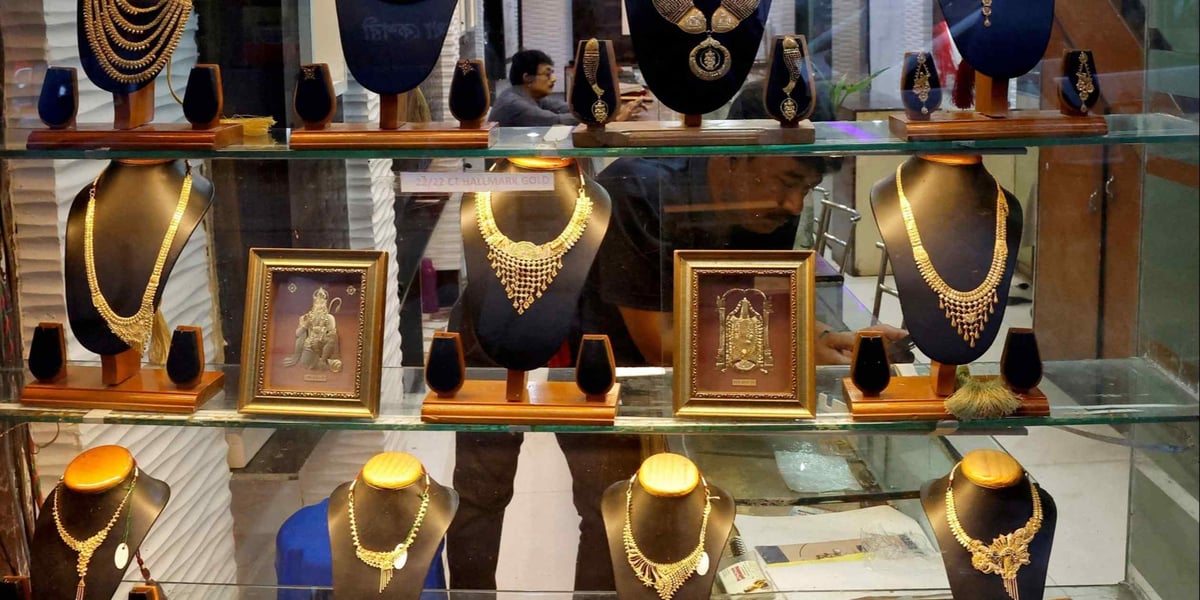
HYDERABAD — Silver in Laad Bazaar traded at ₹265 per gram on Monday morning, 31 August, five rupees above the Delhi benchmark and roughly ₹23 above the two-day low printed during the post-Jackson Hole sell-off. For Hyderabad’s bullion market — one of the country’s most active silver jewellery and physical investment centres — the rebound to ₹2,65,000 per kilogram came faster than dealers had expected when the dip began.
The 999-purity rate applies to silver bars, coins and most institutional transactions. In Hyderabad’s Laad Bazaar near Charminar and the wholesale bullion lanes of Begum Bazaar, dealers quoted ₹2,650 per 10 grams by mid-morning Monday. The gram rate for 925-purity sterling silver, which dominates export jewellery and decorative metalwork, typically trades at a ₹20–₹22 discount.
Silver Rate in Hyderabad Today – 31 August 2026
| Quantity | 999 Purity Silver Rate |
|---|---|
| 1 Gram | ₹265 |
| 10 Grams | ₹2,650 |
| 100 Grams | ₹26,500 |
| 250 Grams | ₹66,250 |
| 500 Grams | ₹1,32,500 |
| 1 Kilogram | ₹2,65,000 |
The two-day sell-off that preceded Monday’s recovery traced directly to Federal Reserve chair remarks at the Jackson Hole symposium in Wyoming. Comments on August 28 and 29 signalled a more cautious approach to rate cuts than markets had priced in, strengthening the dollar and compressing silver’s COMEX futures contract. The MCX silver September contract — which sets the pricing baseline for physical silver across every Indian city — fell from ₹2,65,000 per kilogram on August 22 to ₹2,47,000 on August 28. Hyderabad’s physical rate bottomed at ₹2,42,000 per kilogram on August 29, following the MCX move. That two-session drop was the steepest silver had moved in three months, as reflected in silver prices across India today.
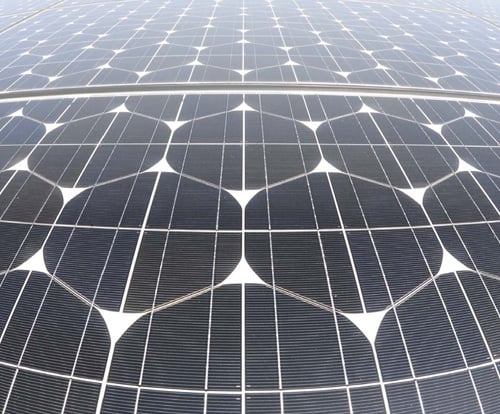
What ended the selling was the structural argument that has underpinned silver’s 71% gain from a year ago. According to the Silver Institute, its World Silver Survey 2026 documented a sixth consecutive annual supply deficit — projected at 215 million troy ounces, the largest on record — driven by industrial demand from AI data centre construction, solar panel manufacturing and EV battery systems. Hyderabad’s technology manufacturing sector, including semiconductor packaging and pharmaceutical API production at Fab City, contributes to that regional industrial demand for the metal. Physical buyers who had been watching for a pullback interpreted Sunday’s kilogram rate as the entry point the sell-off was offering.
Historical Silver Rate in Hyderabad
| Date | Per Kg | Per Gram |
|---|---|---|
| August 31, 2026 (today) | ₹2,65,000 | ₹265 |
| August 30, 2026 | ₹2,65,000 | ₹265 |
| August 29, 2026 | ₹2,42,000 | ₹242 |
| August 28, 2026 | ₹2,47,000 | ₹247 |
| August 22, 2026 | ₹2,65,000 | ₹265 |
| August 16, 2026 (August high) | ₹2,72,000 | ₹272 |
| July 30, 2026 | ₹2,70,000 | ₹270 |
| June 30, 2026 | ₹2,57,000 | ₹257 |
| January 2026 (all-time high) | ₹4,77,000 | ₹477 |
| August 2025 | ₹1,55,000 | ₹155 |
The year-on-year gain from August 2025 is approximately 71%. Hyderabad’s kilogram price twelve months ago was around ₹1,55,000. The January 2026 spike, when international silver hit $121.67 per troy ounce — an all-time record — briefly pushed Hyderabad’s retail rate above ₹4,77,000 per kilogram. Laad Bazaar dealers suspended spot quotations for two sessions during that spike as physical inventory was exhausted. The retracement since then has been orderly: each Federal Reserve statement, each geopolitical event and each commodity rotation has produced a sell-off, and each sell-off has found buyers at lower prices.
Silver in Hyderabad serves two distinct buyer communities. The jewellery segment, centred on Laad Bazaar and the lanes surrounding the Mecca Masjid, absorbs silver for filigree work, anklets, waistbands and Hyderabadi bridal jewellery — a category whose seasonal demand peaks ahead of the October–February wedding and festival cycle. Pre-season accumulation by dealers and fabricators typically begins in September, lending additional support to prices in the coming weeks. The investment segment, accessed through MCX contracts and physical delivery at Begum Bazaar, is more responsive to global spot pricing and the dollar-rupee exchange rate.
The local Hyderabad rate includes 3% GST, transport from refineries and dealer margin layered on the MCX base. For purchases of 500 grams and above, the effective spread narrows and buyers typically reference the Indian Bullion and Jewellers Association published benchmark as a pricing anchor. The silver rate in Delhi today stands at ₹260 per gram on 31 August, five rupees below Hyderabad’s, reflecting the capital’s lower transport premium from Gujarat refineries.
Gold in Hyderabad climbed to ₹16,040 per gram on 31 August, maintaining its premium relationship with silver. Alongside gold’s move, silver rates across Indian cities today held steady through the day. The silver-gold ratio stood at approximately 60.5:1 at Monday’s prices — meaning roughly 60.5 grams of silver purchased one gram of gold. That ratio has historically ranged between 60 and 80 in recent years, suggesting silver at current levels is not yet expensive relative to gold.
What neither market can price with certainty is whether Monday’s $71 intraday spike in international spot silver will hold into Tuesday’s Asian session. COMEX settled at $67.14. The range between $67 and $71 represents the critical band for Hyderabad’s market in the coming week. A sustained close above $70 would pull the MCX contract — and with it Hyderabad’s physical rate — toward ₹2,80,000 per kilogram, where the metal last traded in early August. A failure to hold $67 on Tuesday’s Asian open would retest the ₹2,42,000 lows from August 29.