
CAPE CANAVERAL, Fla. — Blue Origin said Friday it will build more launch pads on Florida’s Space Coast for a rocket it has not flown since April, and it did not say where they will go.
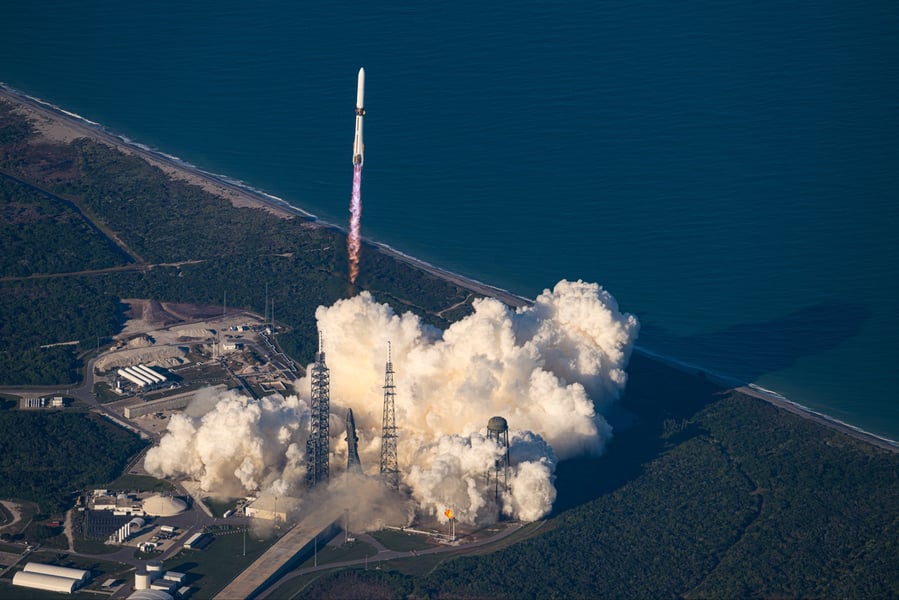
The rocket has sat idle since the New Glenn explosion in May, a blast during a static-fire test that damaged Launch Complex 36 at Cape Canaveral Space Force Station. One pad there, LC-36A, is being rebuilt. A second, LC-36B, is still under construction. The company’s answer to a damaged pad, announced in a string of infrastructure updates Friday morning, is more of them.
Ian Richardson, Blue Origin’s senior vice president of operations, said the buildout is meant to support “multiple flights per week by the end of the decade.” The current ceiling at LC-36 is twelve a year.
Whether it gets past that ceiling sits with the Federal Aviation Administration. In a Federal Register notice published Sept. 29, the agency said it is weighing Blue Origin’s request to raise the cap at LC-36 from 12 to 50 launches a year, along with static-fire engine tests, first-stage landings at sea and payload fairing recovery. A virtual public meeting runs from 6 p.m. to 8 p.m. Eastern on Oct. 22, and comments close Oct. 30 under docket FAA-2026-9841.
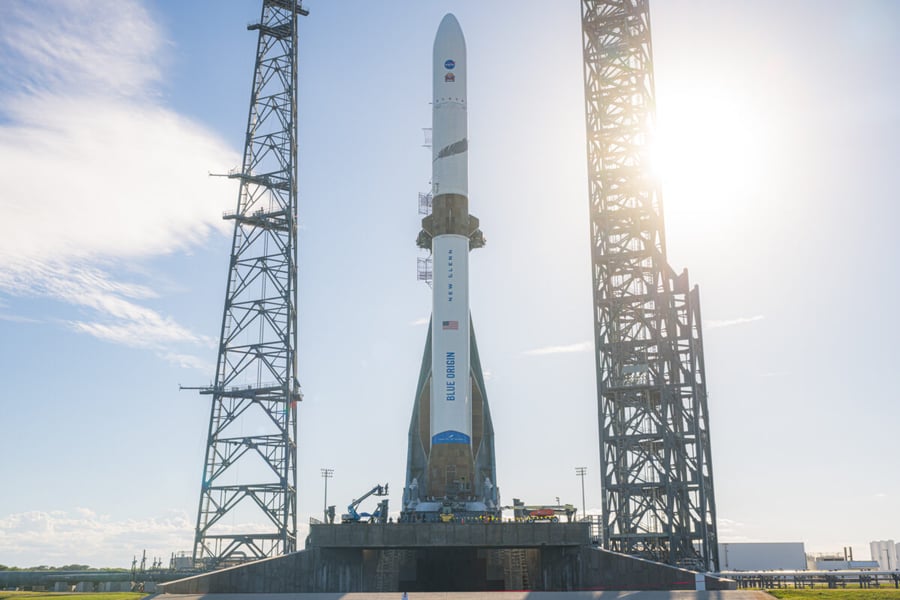
The notice describes no new construction, so the additional pads appear to sit outside that review. Blue Origin did not reveal where they will stand, only that they will be modeled on its LC-36 facilities. The agency is weighing a far bigger number for SpaceX at the same moment: Starship launches at Boca Chica of up to 456 a year, against a current cap of 25.
The rest of the package is bricks and customer space. Blue Origin said it will spend $330 million on its Rocket Park site, in a 1.37-million-square-foot building due by summer 2027 that could turn out up to 150 upper stages a year for the larger 9×4 version of New Glenn. It also plans a payload processing facility being built with the U.S. Space Force. The 150 is a manufacturing figure, not a launch count, and the figures are Blue Origin’s own.
Capacity was not what stopped New Glenn. The New Glenn failure in April left AST SpaceMobile’s BlueBird 7 satellite in the wrong orbit.
Blue Origin has not said where the new pads will go, what review they will face, or whether the rocket they are built for will fly again this year.