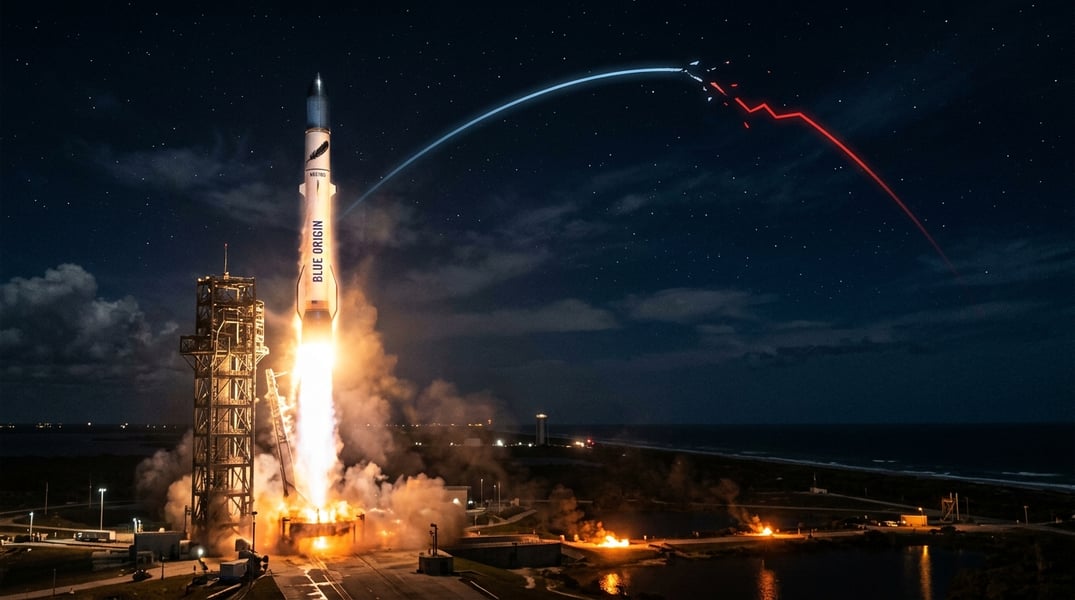

The spectacle was flawless. The outcome was not.
Blue Origin’s towering New Glenn rocket roared into the Florida sky with the theatrical precision of a company determined to rival the dominance of SpaceX. The booster returned elegantly to Earth, a triumph of reusable rocket engineering. But in orbit, where it mattered most, the mission collapsed into a costly failure, one that now threatens to derail the company’s ambitions far beyond a single launch.
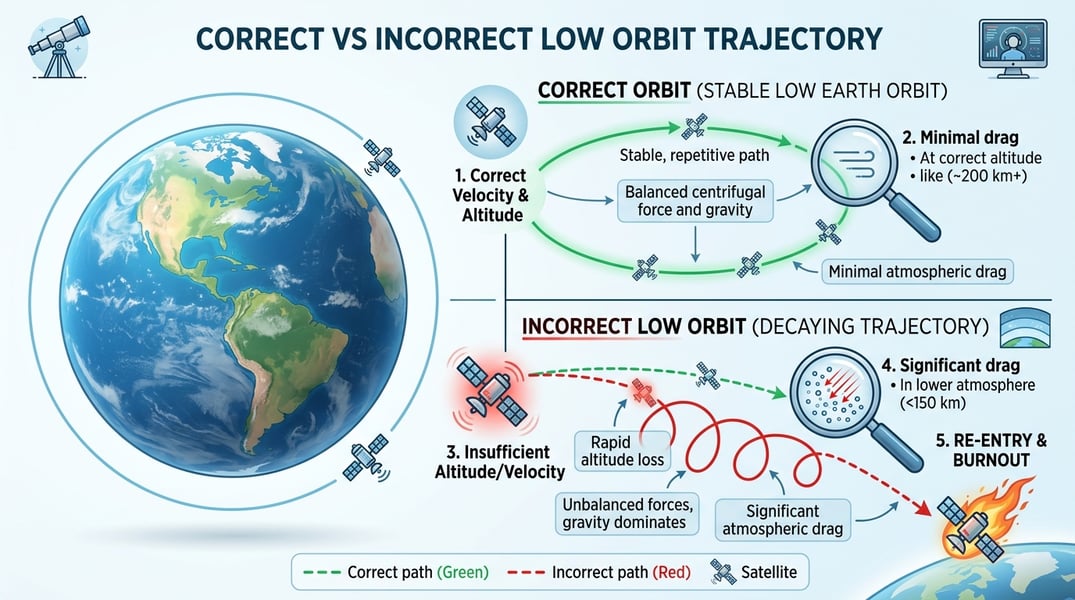
On April 19, during its third-ever flight, New Glenn successfully lifted off from Cape Canaveral and executed a near-perfect first-stage recovery. Yet the mission’s core objective, to deploy a commercial communications satellite into a precise orbit, ended in failure. The payload, AST SpaceMobile’s BlueBird 7 satellite, was placed into what the company described as an “off-nominal orbit,” rendering it effectively useless. The satellite deployed into the wrong orbit, a miscalculation with immediate consequences.
Within hours, regulators intervened. The FAA grounded Blue Origin’s New Glenn rocket, ordering a formal mishap investigation that will keep the vehicle sidelined until the company can demonstrate corrective action.
Initial findings point to a familiar but unforgiving culprit: engine performance. One of the BE-3U engines powering the upper stage faltered at a critical moment. The upper-stage engine underperformed during a critical burn, depriving the spacecraft of the velocity required to reach its intended orbit.
For AST SpaceMobile, the implications are immediate. BlueBird 7 was designed to be part of a space-based cellular broadband network capable of connecting directly to standard smartphones. Its failure delays a constellation that promises to reshape global telecommunications, and rattled investor confidence in the process.
The contradiction is stark. By one metric, Blue Origin achieved a milestone: the reusable booster landed successfully despite mission failure, underscoring the company’s progress in reusability.
But aerospace is unforgiving. Partial success is indistinguishable from failure when the payload does not reach its intended orbit.
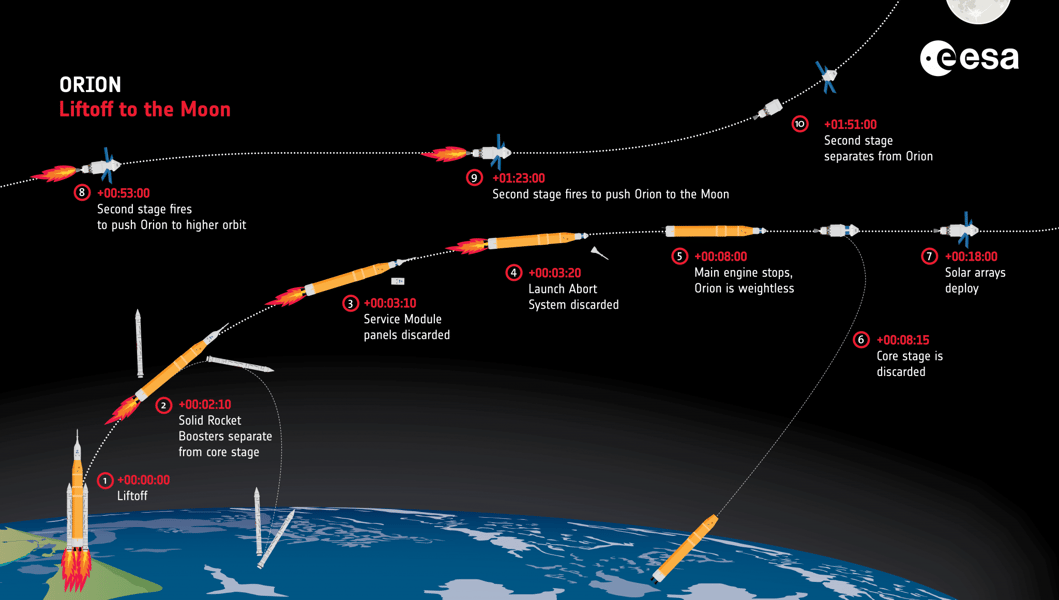
The implications extend far beyond a single satellite. New Glenn is central to Blue Origin’s long-term strategy, including its role in NASA’s Artemis program, which aims to return humans to the lunar surface later this decade. The setback now raises fresh questions about reliability, certification timelines, and the company’s readiness for high-stakes government missions.
These concerns echo across broader lunar missions, where precision and consistency are non-negotiable. In an environment defined by razor-thin margins, even minor anomalies can cascade into mission-ending failures.
The episode also underscores the inherent space exploration risks that continue to challenge both legacy agencies and private entrants. Engineering ambition alone is not enough; execution remains the decisive variable.
Meanwhile, competition in the commercial launch market is intensifying. SpaceX continues to dominate with a relentless launch cadence and proven reliability, leaving rivals scrambling to close the gap.
The timing could hardly be worse for Blue Origin. The company has been working to reposition itself as a serious contender in orbital launch services, moving beyond its roots in suborbital tourism. This mission was intended to signal that transformation. Instead, it exposed the fragility of its execution under pressure.
There is no ambiguity about what comes next. Blue Origin must identify the root cause, implement technical fixes, and satisfy regulators before returning to flight. In aerospace, credibility is cumulative and fragile, built over years and lost in a single miscalculation.
For now, New Glenn remains grounded. And in the unforgiving calculus of the modern space race, grounded rockets do not compete.