
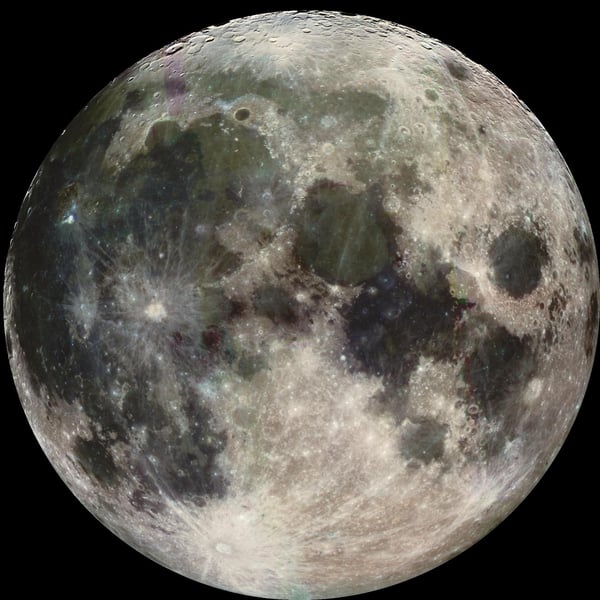
Tonight, if you step outside after dark and look east, the moon will be almost but not quite full — a bright, slightly lopsided disk that astronomers call the Waning Gibbous, and that most people simply notice is too bright to ignore.
On August 11, 2026, the moon is in the Waning Gibbous phase. It is approximately 88 to 92 percent illuminated, having crossed its peak fullness three to four days ago during the August Sturgeon Full Moon. The moon rises after sunset and sets in the mid-morning hours, making it visible for much of the overnight period and high in the sky well before midnight.
The term comes from the Latin “gibbus,” meaning hump. A gibbous moon is one that is more than half illuminated but not fully round. “Waning” means the illuminated portion is shrinking, as the moon moves past full and toward the next new moon. For most purposes, a Waning Gibbous is nearly indistinguishable from a Full Moon to the naked eye — the slight flattening on one edge is the only visual indicator.
The Full Moon that preceded this phase peaked around August 7 to 8 and carried the traditional name Sturgeon Moon, a name historically used by Algonquin peoples of North America to mark the time of year when lake sturgeon were most abundant in the Great Lakes and easiest to catch. NASA recognizes these traditional names alongside astronomical designations. The August Full Moon is also called the Green Corn Moon, the Grain Moon, or the Red Moon in different cultural traditions — each name mapping the same astronomical event onto a different set of seasonal knowledge.
On the night of August 11, the Waning Gibbous moon rises in the east in the late evening hours and climbs steadily through the night. By midnight local time it will be well up across much of the northern hemisphere. The brightness — roughly 88 to 92 percent of the moon’s maximum reflectance — is sufficient to cast shadows on a clear night and will overwhelm fainter stars and wash out most meteor shower activity for observers in light-polluted and semi-rural areas alike.
The moon completes one orbit of Earth in approximately 29.5 days. August 11 falls at roughly the 14th to 15th day of the current lunar cycle — past the halfway point and heading toward the Last Quarter and then the New Moon. The lunar cycle does not align with calendar months, which is why full moons fall on different dates each month and why two full moons occasionally occur within the same month.
The next significant phase shift after Waning Gibbous will be the Last Quarter, expected around August 14 to 15, when exactly half the moon’s face will be illuminated. After that comes the Waning Crescent, the thin sliver visible in the pre-dawn hours, before the cycle resets at the New Moon, anticipated around August 22 to 23. The next Full Moon — expected in early September — will carry the traditional name Harvest Moon, the full moon closest to the autumn equinox.
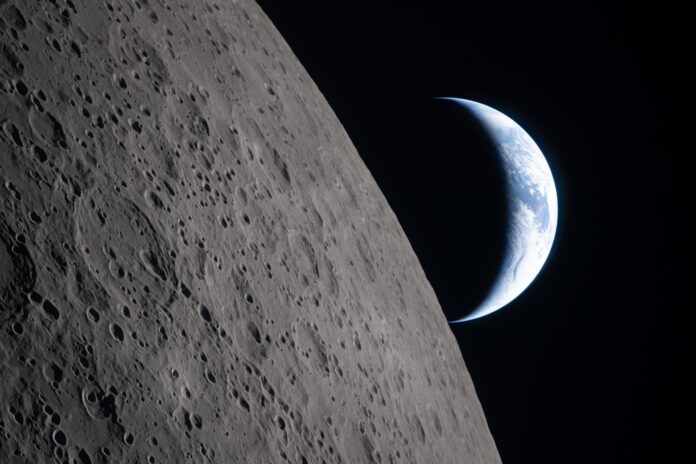
The moon does not produce its own light. What we observe as moonlight is sunlight reflected off the lunar surface, which is composed largely of regolith — a layer of fragmented rock and dust created by billions of years of meteorite impacts. As the moon orbits Earth, the angle between the sun, moon, and Earth changes continuously, altering how much of the sunlit half of the moon is visible from our vantage point. When the three bodies align with Earth in the middle, we see a Full Moon. As the moon moves past full and continues its orbit, progressively less of its illuminated face turns toward us.
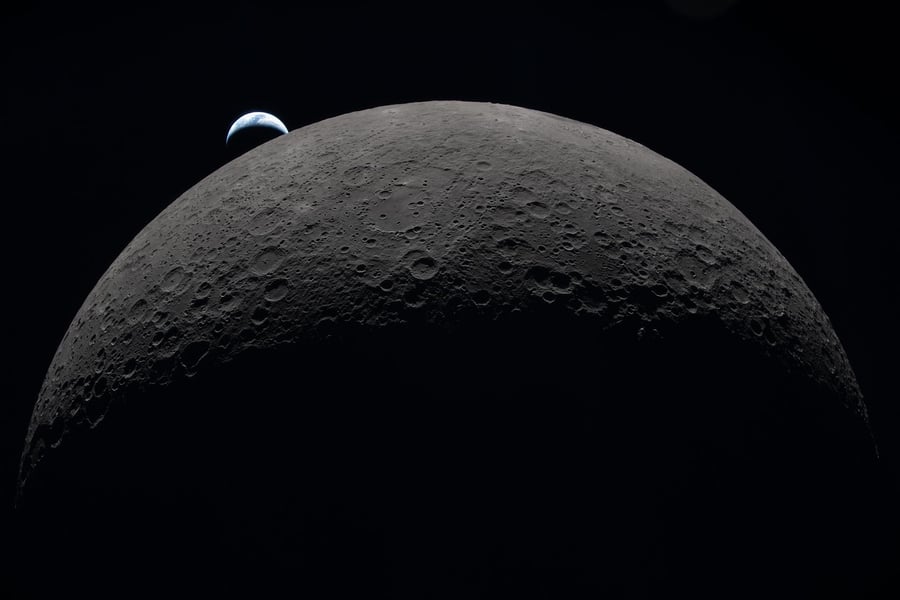
Astronomers schedule observations around phase cycles for practical reasons. Deep-sky observation — of galaxies, nebulae, and faint star clusters — works best during new moon periods, when the absence of moonlight leaves the sky darkest. The NASA Lunar Reconnaissance Orbiter, mapping the moon’s surface from orbit since 2009, operates independently of phase, but Earth-based telescopic study of lunar surface features benefits from the oblique sunlight angles near the terminator — the shifting line between the moon’s lit and dark sides — rather than at peak illumination, when shadows flatten and surface detail becomes harder to read.
What the Waning Gibbous moon on August 11, 2026 looks like from any given location depends on local horizon, cloud cover, and light pollution. The phase itself is fixed; the experience of it is not. Some of the best views this week come in the final hour before the moon sets, when its lower angle through a thicker slice of atmosphere gives it a warm amber cast that photographs rarely capture.