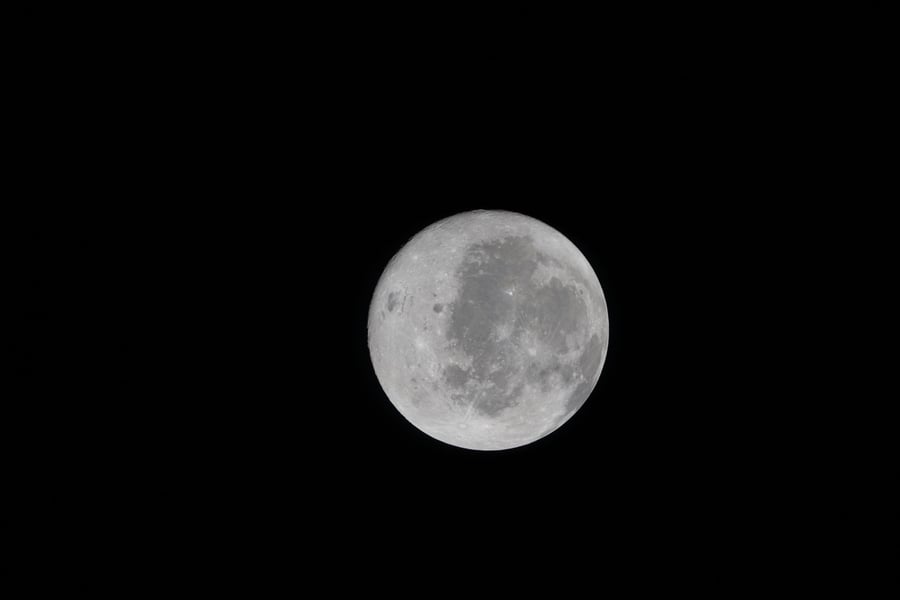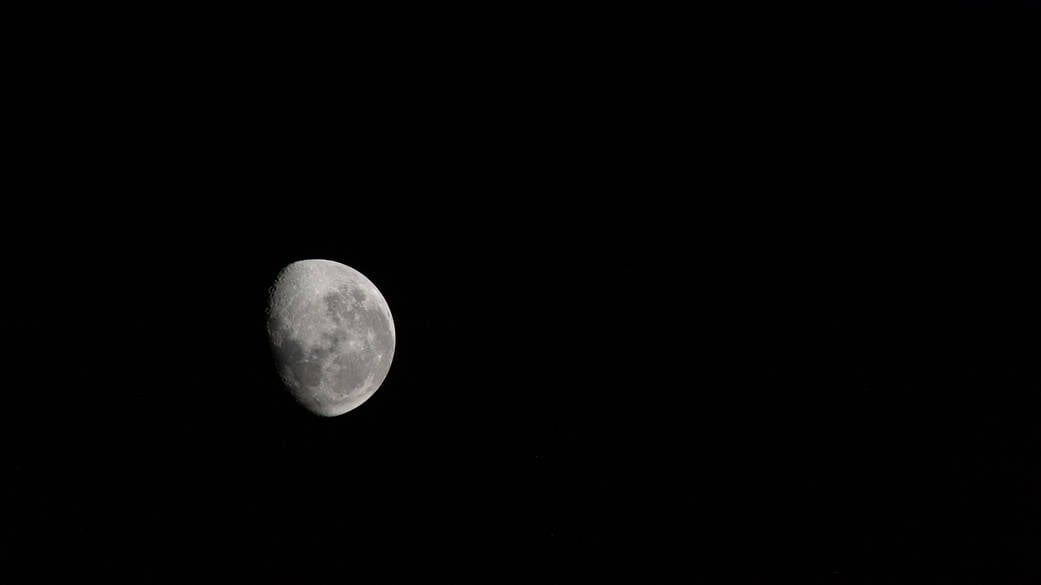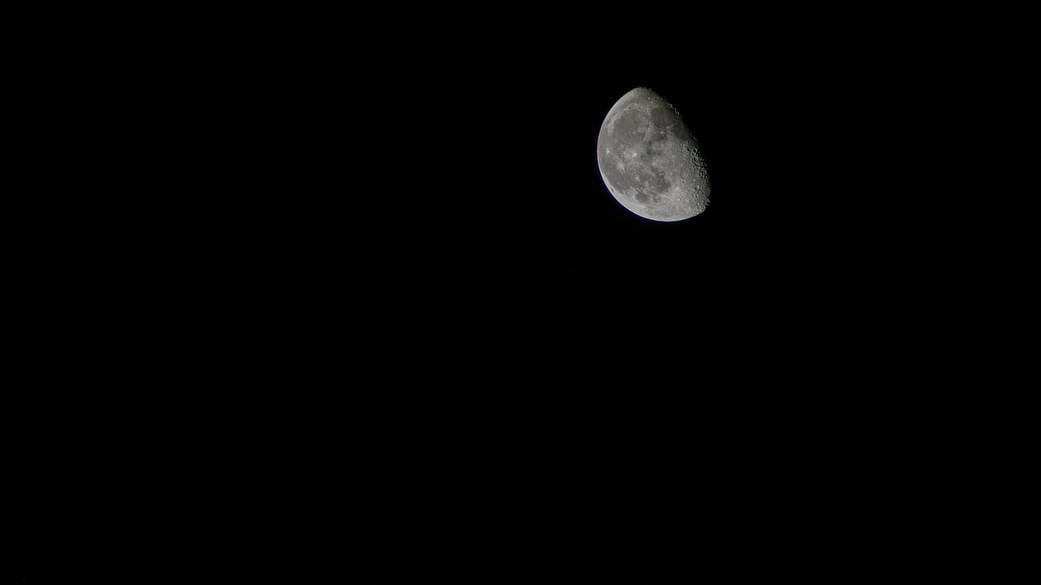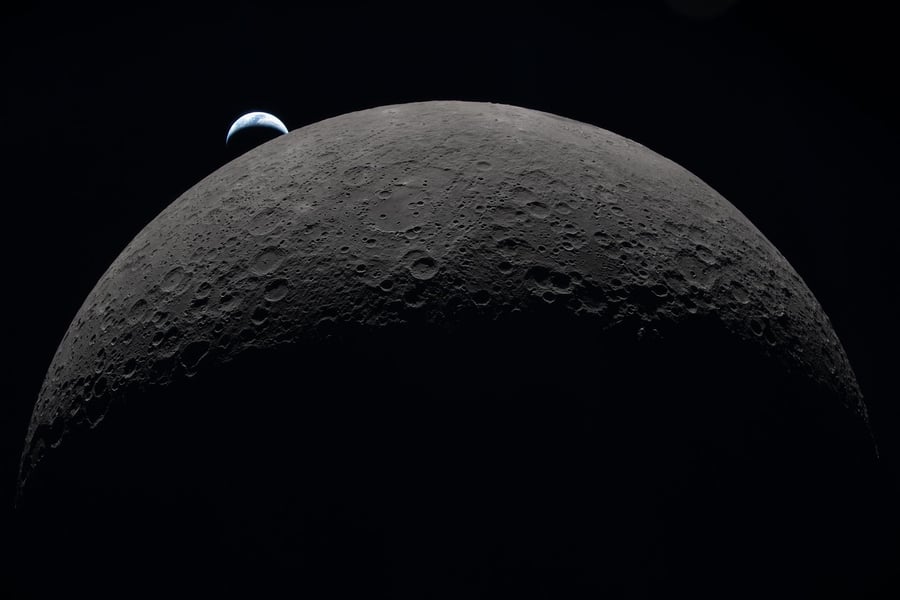

WASHINGTON – By the time you step outside tonight, the Moon is almost gone. At just 6 percent illumination on Monday, August 10, the Waning Crescent is visible only in the pre-dawn hours, rising before 2 a.m. and setting before noon, absent for the entire stretch of nighttime. Two days from now, it disappears entirely, and when it does, it will take the Sun with it.
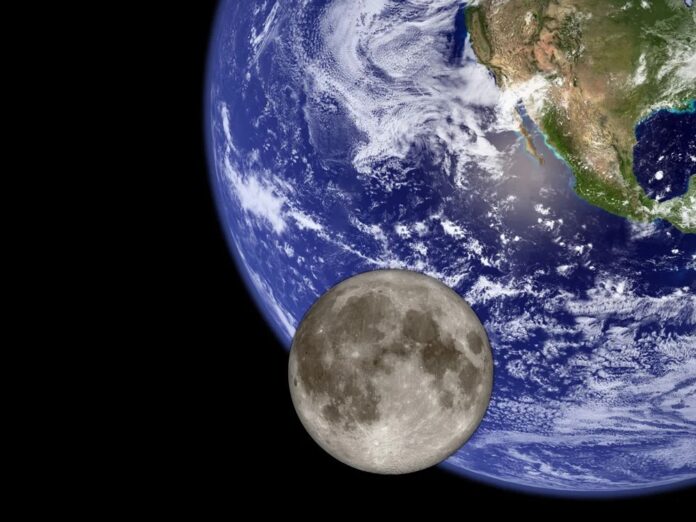
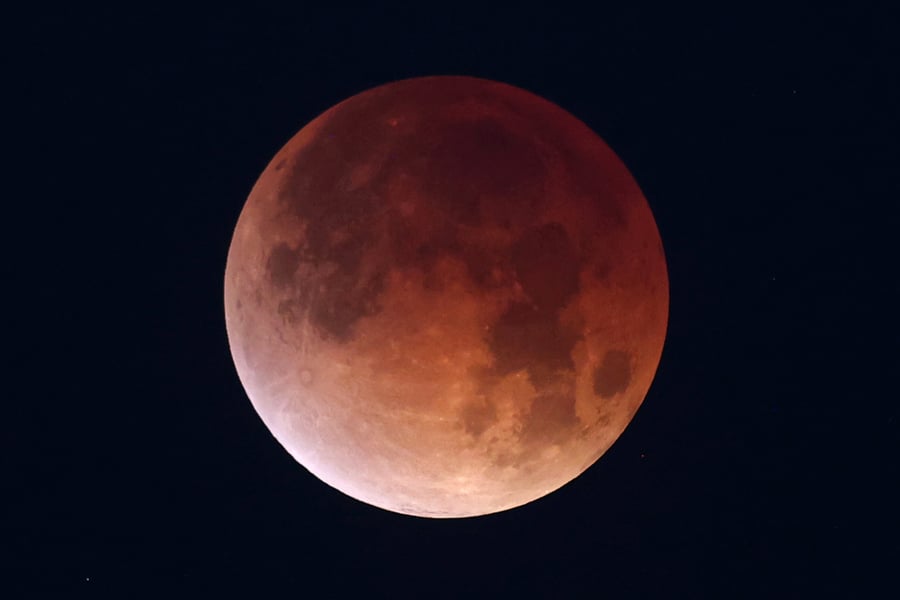
The New Moon on August 12 is not an ordinary reset of the lunar cycle. The Moon reaches perigee, its closest point to Earth in its elliptical orbit, on August 10, the same day the crescent thins to 6 percent. A New Moon at perigee produces a larger apparent disk than average. When that oversized disk passes directly between Earth and the Sun on August 12, the result is a total solar eclipse, visible across a narrow path that sweeps through parts of the United States and Central America. For observers along the path of totality, the eclipse lasts up to four minutes.
Outside the path of totality, a partial eclipse will be visible across most of North America. For everyone watching, the celestial setup begins here: with tonight’s thin crescent, two nights before the main event.
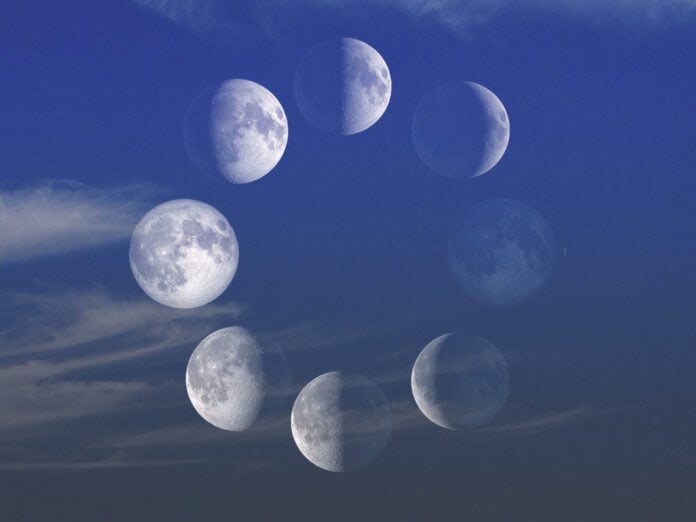
A Waning Crescent phase is the final stage of the lunar cycle. From the Northern Hemisphere, the illuminated portion appears on the right side of the Moon’s disk and shrinks each night until nothing is left. The Moon is still there, orbiting as reliably as it has for 4.5 billion years, but it has turned its shadowed face toward Earth. On Monday, that face is 94 percent shadow.
The phase carries one significant practical benefit: the nights of August 10 and 11 will be among the darkest of the month. With the Moon’s light effectively gone after midnight, the Milky Way becomes visible from any genuinely dark site. The fading tail of the Perseid meteor shower, whose peak passed last week, still produces occasional bright streaks through August 24. The Perseids are the debris trail of Comet Swift-Tuttle, and under a moonless sky, even the lingering Perseids produce a better show than they would with a bright crescent above the horizon.
Moonrise on August 10 occurs in the early morning hours, generally between 1 and 2 a.m. local time for most mid-latitude locations. The Moon is positioned near the constellation Gemini, tracking low on the eastern horizon before sunrise, and it sets during the afternoon hours, typically between 1 and 3 p.m. local time. By nightfall, the crescent is entirely below the horizon.
The total solar eclipse on August 12 will produce spring tides more extreme than at any other New Moon this summer. Spring tides, a term with no relation to the season, occur whenever the Sun and Moon align, combining their gravitational pull to produce higher high tides and lower low tides. The proximity of perigee amplifies this further. Coastal areas with large tidal ranges, from the Bay of Fundy in Canada to the Severn Estuary in England, will record some of their most dramatic tidal conditions of the year around August 12.
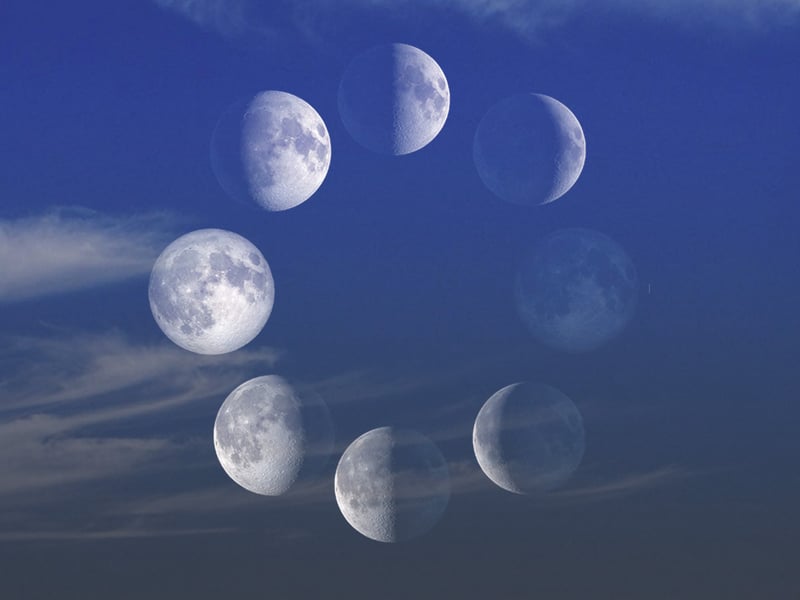
After the eclipse, the lunar cycle begins rebuilding. The first thin Waxing Crescent should become visible in the western sky after sunset on August 13 or 14. The Moon then grows toward a First Quarter on August 19 before reaching the Full Sturgeon Moon, named in the Algonquin tradition for the historical abundance of lake sturgeons in the Great Lakes in late summer. The Sturgeon Moon falls on August 26 at 04:18 UTC.
The astrological reading of tonight’s Moon is particularly charged. With the Moon in the final days of a Cancer transit before the eclipse, astrologers have been tracking a compressed lunar energy that peaked with the Cancer Moon square Saturn on August 10, a challenging alignment read as a call to release rather than initiate. The Moon Phase Today on Sunday was already at 13 percent illumination, thinning steadily from the 34 percent recorded in the Waning Crescent report on August 7 as the eclipse approached.
For those following the Islamic calendar, which runs on a purely lunar system and uses the New Moon to mark the beginning of each month, the August 12 New Moon is expected to signal the start of the month of Safar. Local moon-sighting committees in different countries will watch for the first visible Waxing Crescent, typically appearing a day or two after the astronomical New Moon.
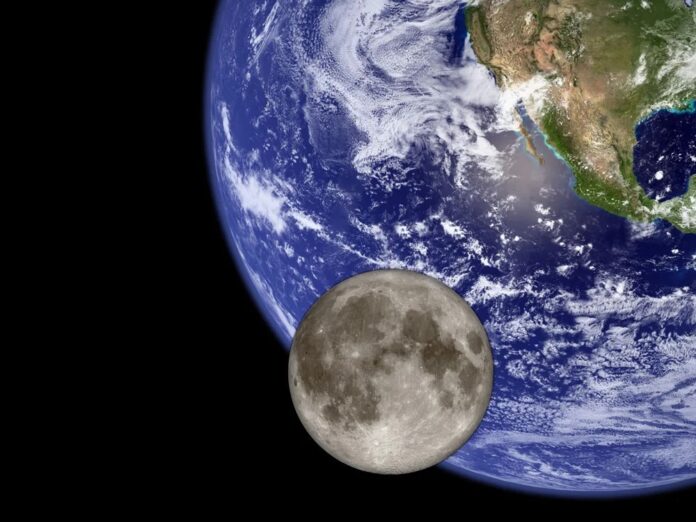
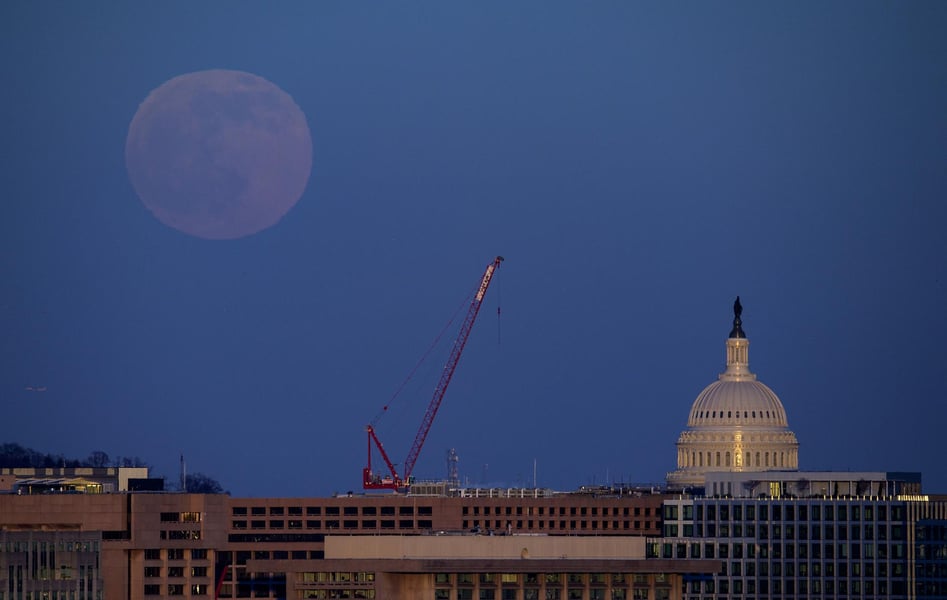
Tonight’s Moon is also at its closest to Earth this month. The perigee distance on August 10 is approximately 356,600 kilometers, slightly inside the Moon’s average orbital distance of 384,400 kilometers, according to NASA’s lunar science data. A Moon at perigee subtends a slightly larger angle in the sky, roughly 7 percent wider than average. Under clear skies in the hours before dawn, the crescent is correspondingly brighter than it would be at a more distant point in the orbit.
What tonight’s phase offers is a preview. The Moon at 6 percent is the last thing most people will see before August 12’s eclipse, and for those watching along the total eclipse path, it will be the last crescent before darkness crosses the face of the Sun.