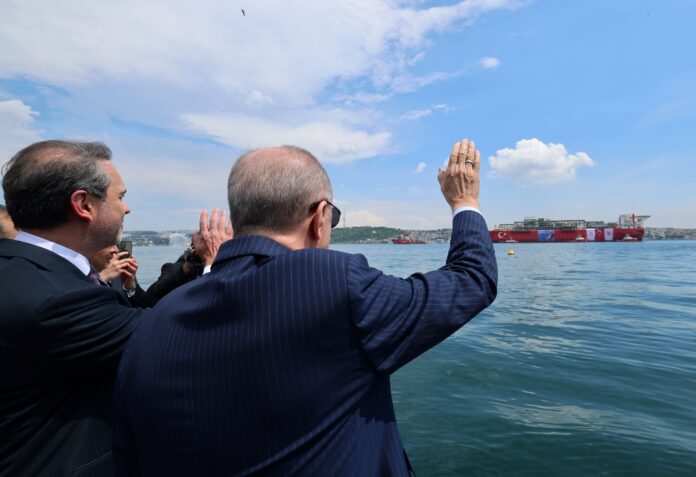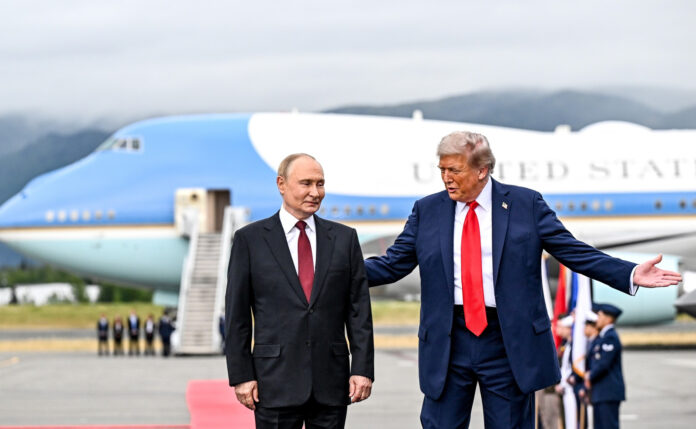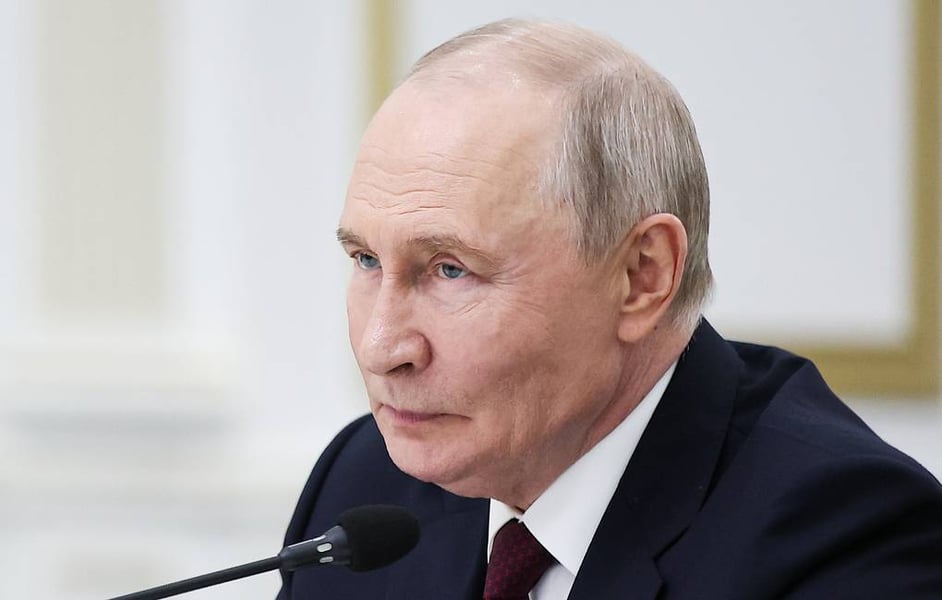

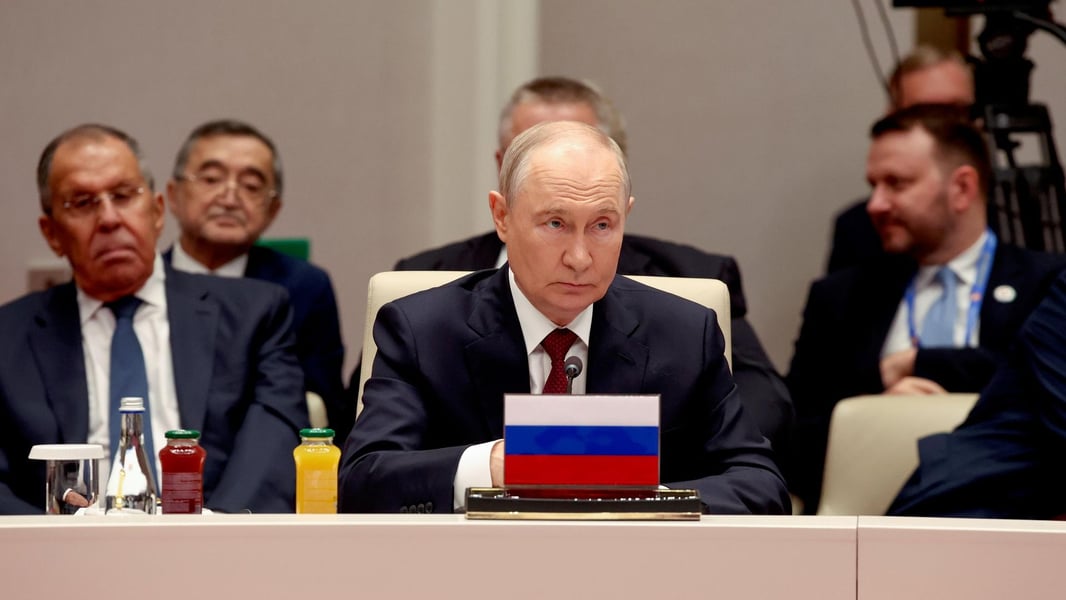
BISHKEK – Vladimir Putin arrived at the Shanghai Cooperation Organisation summit in Kyrgyzstan on Tuesday carrying a message for Recep Tayyip Erdogan that Rosatom had been waiting months to have delivered at head-of-state level. The first unit of the Akkuyu nuclear power plant, Russia’s flagship construction project on Turkey’s Mediterranean coast, would launch in 2026 as planned.
“You set the task for our company Rosatom to launch the first unit this year,” Putin told Erdogan during bilateral talks in Bishkek. “That is how it will be.”
The exchange was brief. Its weight was not. Akkuyu is the most consequential symbol of the Russia-Turkey infrastructure relationship, a $20 billion facility being built, owned, and operated by the Russian state nuclear company on NATO member territory, in an era when the West has applied its most intensive sanctions pressure against Russian energy and financial institutions since the conflict in Ukraine began. Putin’s assurance in Bishkek that the timeline holds is a statement directed well beyond the two men in the room. It reaches Rosatom’s clients in Hungary, Bangladesh, Egypt, and elsewhere: the sanctions have not stopped delivery.
Turkey’s position in the current geopolitical configuration makes the Akkuyu commitment more pointed still. Ankara has declined to join Western sanctions against Russia, maintained commercial ties with Moscow throughout the Russian operation in Ukraine, and positioned itself as a potential mediator in conflicts where the West has no direct channel. The Akkuyu project, with its deep Russian financing and long-term operational dependency, is a structural bond that Western governments have periodically urged Erdogan to reconsider. His presence in Bishkek, at an SCO summit anchored by China and Russia, underlined that Ankara continues to work across blocs, holding NATO membership and EU candidacy alongside energy infrastructure whose operations are managed from Moscow.
The SCO gathering itself carried significance beyond the bilateral agenda. India’s prime minister also held separate meetings in Bishkek on Tuesday, continuing a pattern in which New Delhi participates in Russia- and China-hosted multilateral forums while maintaining its own diplomatic lanes to the West. Russia has made it a priority to demonstrate that the Western sanctions architecture has not produced the isolation Moscow’s adversaries intended, and a summit where the leaders of India, Turkey, and Central Asian states sit alongside Putin serves that demonstration more effectively than any press release.
The plant is physically complete at the reactor level. The remaining steps, including commissioning tests, regulatory approvals, and the fuel loading process that precedes first criticality, are within Rosatom’s control, though their timeline is sensitive to factors that Putin’s political will cannot fully resolve. Earlier projections had targeted a 2025 launch; the timeline slipped to 2026. Whether 2026 holds depends on whether commissioning tests proceed without the complications that have added months to similar milestones at Rosatom’s other projects.
Turkey consumes roughly 320 terawatt-hours of electricity annually and has historically relied on natural gas, much of it Russian, for roughly 40 percent of its power generation. All four Akkuyu units, when fully operational, are designed to supply approximately 10 percent of Turkey’s electricity. The first unit is the proof of concept that the remaining three will follow. For Erdogan, a completed reactor is a domestic policy win and an infrastructure legacy; for Putin, it is a transaction that survives sanctions and a geopolitical demonstration that Russia still delivers.
Russia’s ambassador to Belgium this week described the wider confrontation as NATO escalation against Russia, a framing that EU member states have rejected. The SCO summit in Bishkek offered a different frame, one in which Russia is not an isolated party but a central node in a multilateral architecture conducting business as usual. The Akkuyu confirmation, delivered in Bishkek rather than Moscow, served that message.
The SCO summit produced no joint communique on the Iran conflict that has consumed much of Washington’s attention through the summer. Russia has declined to characterize its relationship with Tehran as a supporting one, though its voting pattern at the UN Security Council and its commercial ties with Iran have made clear where Moscow’s sympathies lie. Putin’s conversation with Erdogan in Bishkek was about nuclear timelines, not Persian Gulf diplomacy, and both men appeared to prefer it that way.
Putin said it would happen this year. Whether Rosatom can match that statement with an operating reactor is a question the plant’s engineers, not bilateral meetings in Bishkek, will ultimately settle. The political will has been stated. The technical steps remain.