
LOS ANGELES — Amanda Seyfried has seen herself play Elizabeth Holmes. Now, thanks to Nathan Fielder, Holmes has seen Seyfried play her, and the Academy of Motion Picture Arts and Sciences may soon have to reckon with what that means.
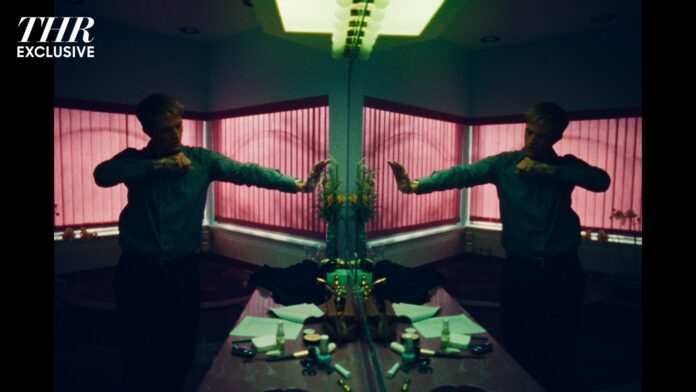
“You Can See Everything,” the documentary Fielder co-directed with Lance Oppenheim, had its world premiere at the 53rd Telluride Film Festival on September 6 under conditions that would have felt recognizable in a Theranos boardroom. Phones and recording devices were bagged at the door before audiences were admitted to the screening. No one could document the experience in real time. The reviews emerged anyway, and they were raves.
Within 24 hours of the premiere, A24 had something unavailable to any documentary since the Academy Awards were first presented 97 years ago: a credible argument that its film belongs on the Best Picture ballot.
A24 is making that argument without apology. The studio’s awards campaign rests on a specific historical claim: no documentary has ever received a Best Picture nomination in Academy history. The studio believes “You Can See Everything” is the film that breaks the streak, and the Telluride reception gave them a platform from which to press that case.
For anyone tracking the fall festival circuit as the clearest early signal of the season’s Oscar race, Telluride’s response was unambiguous. Audience response was strong, and critical language in early dispatches was not hedged.
The access Fielder and Oppenheim obtained is the film’s first remarkable fact. Thirty-four days before Holmes was required to report to federal prison to begin serving an eleven-plus-year sentence for fraud, she invited the filmmakers to begin recording her. Her Theranos blood-testing startup had promised revolutionary diagnostics that did not work, burning through investor capital and the trust of patients who relied on the company’s claims. The filming that followed stretched across three years. What Holmes believed she was agreeing to, and what she hoped the finished film would communicate about her, has not been addressed publicly by any party involved. That ambiguity is part of what gives the documentary its force, according to critics who attended the Telluride screening.
Oppenheim, whose previous work has examined the psychological dynamics between documentary subjects and the cameras recording them, brings a particular sensibility to material this consequential. Fielder, best known for “Nathan For You” and “The Rehearsal,” operates in the space where scripted reality and observed behavior become indistinguishable from each other. Together, according to those who attended the Telluride premiere, the combination produced something that sits outside the usual documentary categories.
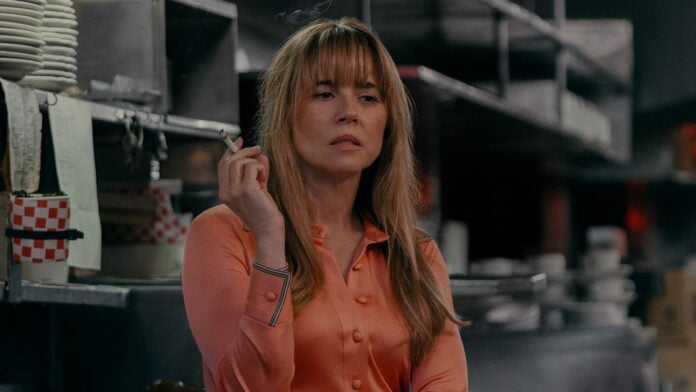
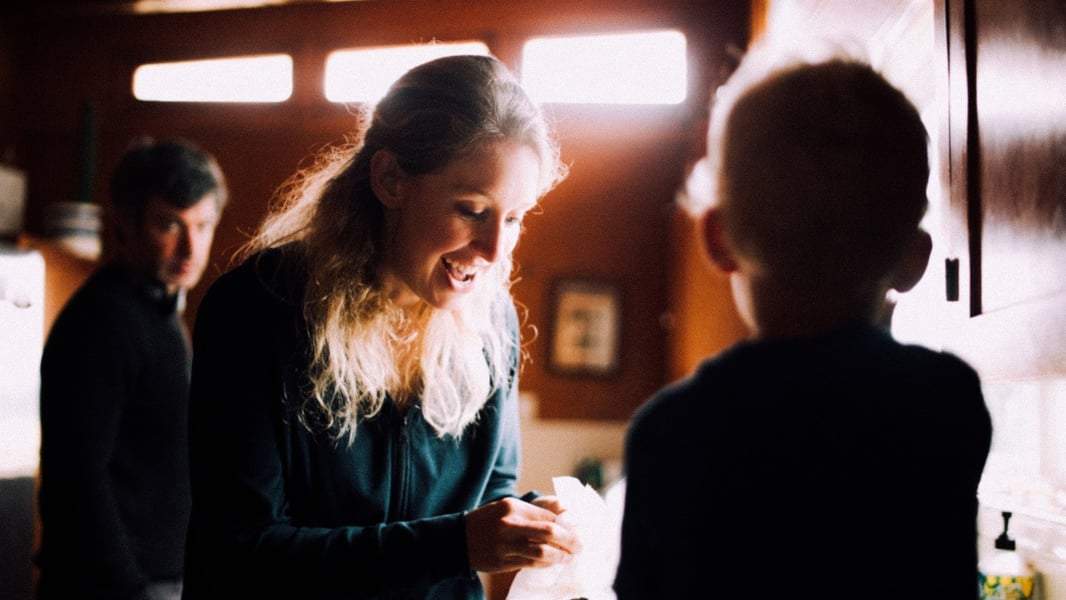
The sequence involving Seyfried has already become the most-discussed element of the film in industry conversation since the premiere. Seyfried played Holmes in Hulu’s “The Dropout,” a performance that earned her widespread recognition for its physical and vocal precision. In “You Can See Everything,” the filmmakers capture Holmes, her partner Billy Evans, and Fielder himself watching “The Dropout” together: Holmes observing the dramatized version of her own life as rendered by an actress who spent months preparing to portray her. Fielder then called Seyfried while she watched footage of Holmes watching Seyfried play Holmes. Reality and its dramatization were observing each other in real time. No comparable sequence exists in recent American documentary filmmaking.
A24’s ambitions for the film extend past the Best Picture campaign. The studio is also pursuing MGM’s record of five Best Picture nominations by a single studio in a single Academy Awards year, a record set at the 1937 ceremony and unbroken for nearly nine decades. A24’s full 2026-27 slate, which includes “The Invite,” “Club Kid,” and “The Debut” alongside “You Can See Everything,” gives it the volume to attempt that record. Whether the full slate carries the quality required is what the coming months will determine.
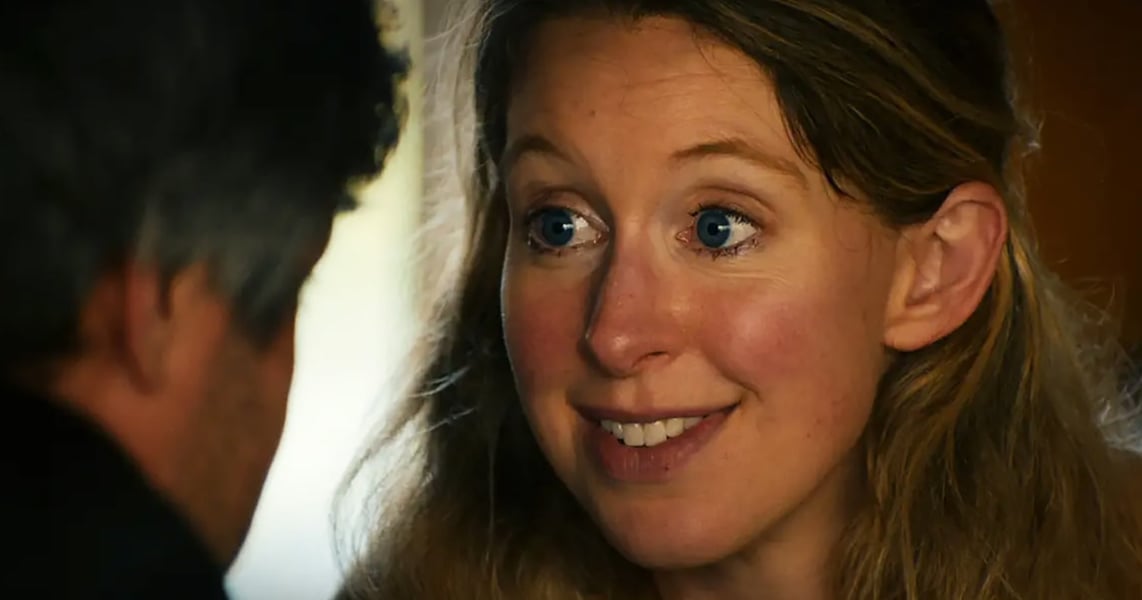
As The Hollywood Reporter noted in its first reactions coverage, the film’s Telluride reception was strong enough to open the Oscar conversation immediately, an unusual development for a film that had not yet released a trailer when its first audience sat down to watch it.
A24 is releasing “You Can See Everything” theatrically on October 16, positioning the film in the qualifying window for the 99th Academy Awards. According to NBC News, the Telluride debut set off immediate industry speculation about the film’s awards trajectory, with the Best Picture question forming the center of discussion within hours of the screening.
Holmes, currently serving her federal sentence, has not commented publicly on the documentary since its Telluride premiere. She has seen at least part of the finished work: the sequence with Seyfried confirms that. What she made of the final cut remains unknown. Whether “You Can See Everything” finds a way to render her silence legible to Academy voters is the most interesting question in awards season as it begins.