
NEW DELHI — Rahmanullah Gurbaz had faced one delivery. Jasprit Bumrah’s opening over was already shaping Sunday evening at Arun Jaitley Stadium, and Afghanistan’s most dangerous opener had seen enough to know the next three hours would be difficult. The caught-behind off a fast-moving inswinger sent the crowd into the first roar of the night, and nothing Afghanistan produced in the next 20 overs gave them reason to stop.
India defeated Afghanistan by seven wickets in the first T20I of the series on Sunday, chasing 157 in 13.4 overs with Abhishek Sharma’s 82 off 32 balls turning a competitive target into an academic exercise. India lead the three-match series 1-0.
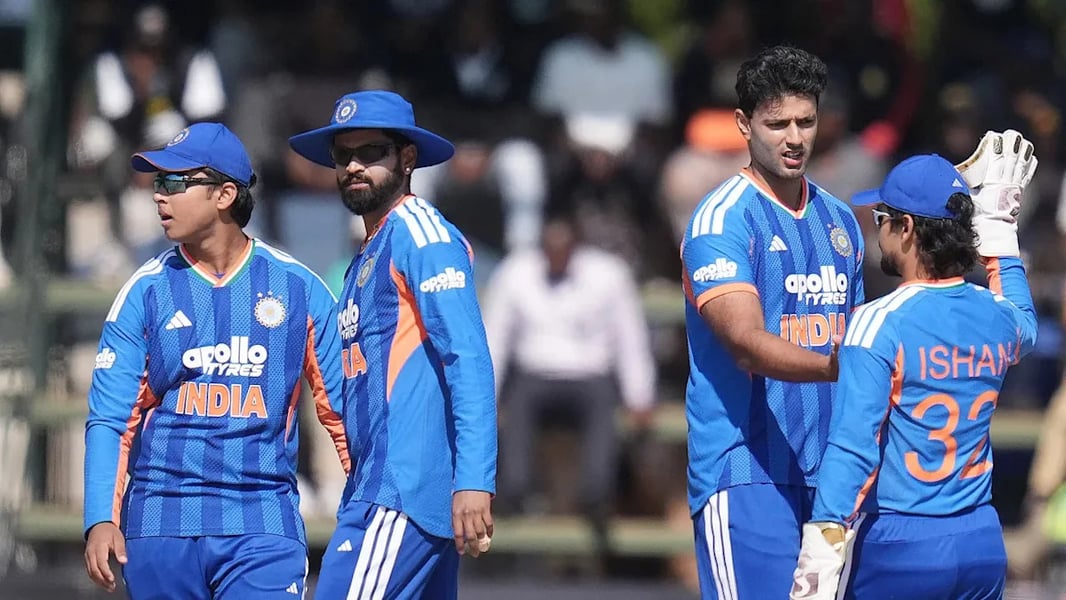
Afghanistan’s innings never fully recovered from Bumrah’s first over. Gurbaz’s dismissal brought on a batting collapse that pushed the visitors to 43 for five inside seven overs, the kind of early damage that forces a rebuild rather than an attack. Arshdeep Singh finished with 3 for 19, each wicket arriving at a moment when Afghanistan were trying to reassert themselves, and the team that had impressed against top-tier opposition in the T20 World Cup cycle found the same Indian pace attack now fully back and operating at its sharpest.
The recovery, when it came, was genuine. Azmatullah Omarzai and Mohammad Nabi put on 83 for the sixth wicket in a stand that changed the match’s arithmetic without changing its verdict. Omarzai finished unbeaten on 64 from 44 balls, cracking four sixes and four boundaries with the composure of a player who understood exactly what the situation required. Nabi contributed 33 from 27. Between them they hauled Afghanistan from ruin to respectability, and 156 for eight was a total that — in most contexts, against most opponents — demands genuine effort from a batting side.
India’s opening partnership was not that opponent.
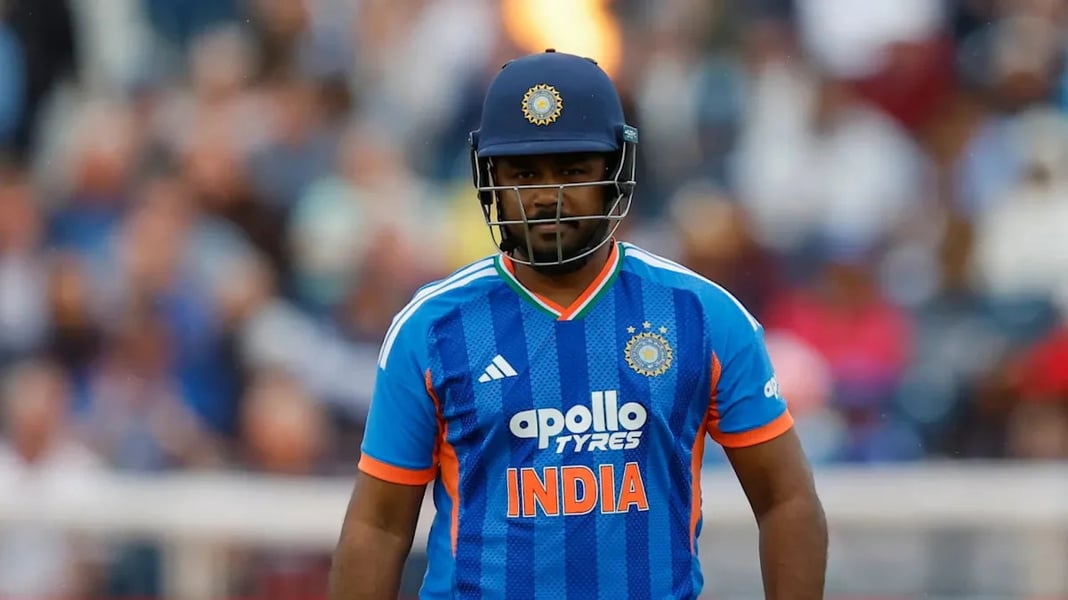
Abhishek Sharma arrived at the crease with Sanju Samson already set and spent the first three deliveries reading the surface. The fourth ball from Fazalhaq Farooqi disappeared over long-on, and the stadium understood immediately that the chase would be brief. His half-century came in 22 balls — the kind of pace that forces bowlers into decisions they are not ready to make. By 32 balls he had 82, a score that included seven fours and seven sixes distributed across every part of the ground. The shot that effectively ended the match, a ramp over third man against a bouncer, covered the outfield in a single second and brought Farooqi to a standstill.
India’s T20 World Cup win in March established Abhishek as one of the format’s most destructive openers, a standing built through two years of franchise cricket and international assignments at the top of the order. His 82 against Afghanistan continued a form line that places him among the three or four players any T20 opposition must plan specifically around, regardless of surface or conditions. Whether this series defines his summer, or whether it simply confirms a conclusion already reached, will become clear once the bowling attacks improve. Afghanistan’s did not, on Sunday.
The home crowd had the answer before India reached the target in the 14th over. What they watched for in the final few overs was the spectacle itself: Abhishek against the spinner, Abhishek against the short ball, the consistent insufficiency of Afghanistan’s attack once the plan to bowl outside off stump was adjusted against. Rashid Khan conceded 34 from his four overs without a breakthrough. That number, more than any other in the scorebook, reflects how completely India negotiated the evening’s only credible threat.
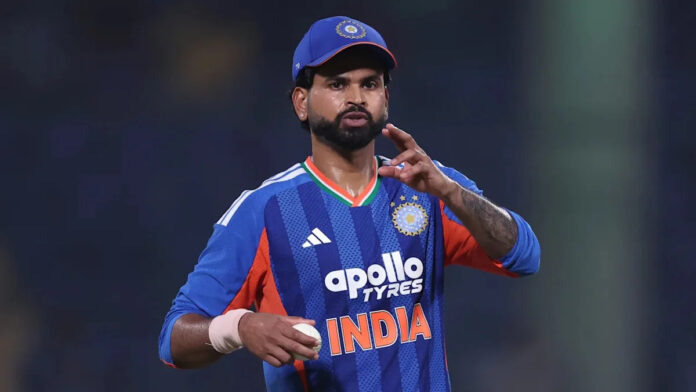
Questions about India’s batting depth through 2027 have circled around the squad’s composition for months. Sunday provided no new answers, because Abhishek and Kishan left nothing for the lower order to address. Shreyas Iyer was unbeaten on eight when India reached the target, his arrival in the 12th over irrelevant to the margin but reassuring as depth insurance. The total came in the 13th over’s fourth ball, a single from Kishan that triggered the stadium’s final roar and left Gurbaz — watching from the boundary — looking at a scoreboard that had never been in question.
Afghanistan need something different in the second T20I. India gave them very little to work with in the first.