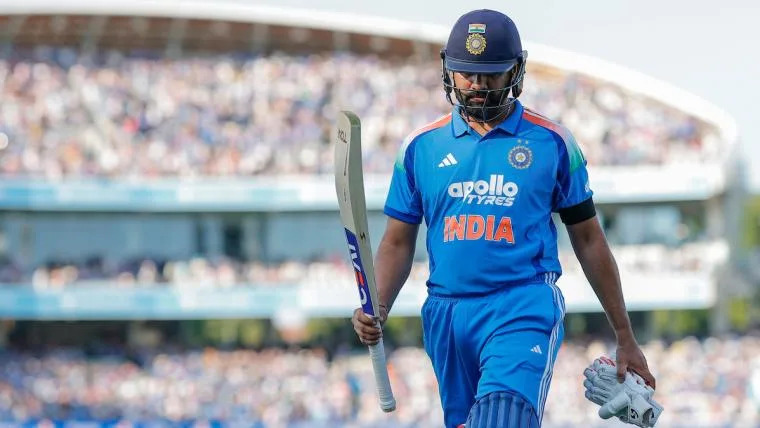

MUMBAI — When Rohit Sharma walked out of Lord’s in July with 138 runs against his name, it was supposed to end the conversation. India’s most decorated ODI batter had answered the retirement speculation the only way a batter knows how: in the middle, with a century on the most storied ground in cricket. Instead of closing the discussion, the innings paused it. A Sony Entertainment Television deal announced for September has given the conversation new material, and BCCI Vice-President Rajeev Shukla has found himself saying something a senior official already said two months ago.
“There is no question of his retirement,” Shukla said this week. The firmness of the statement matched the frustration behind it. This was the second time in under two months that BCCI leadership had been required to publicly confirm that the 39-year-old was not walking away from international cricket.
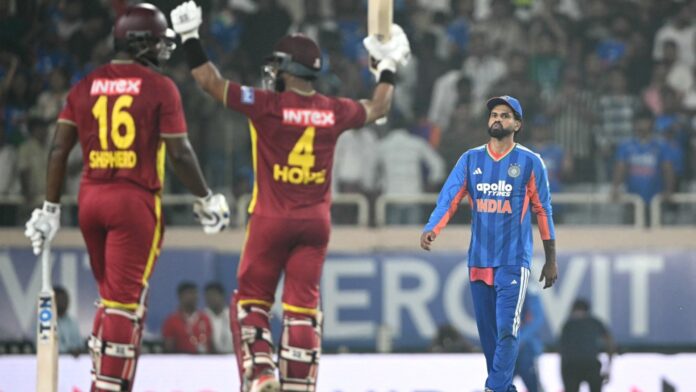
The trigger this time is a six-month show commitment on Sony Entertainment Television and SonyLIV, slotted into the broadcaster’s festive-season slate beginning this month. The scheduling overlap with India’s pre-World Cup ODI calendar, with series against Bangladesh, West Indies, New Zealand, and Zimbabwe still ahead before the 2027 tournament, has left enough room for speculation to fill.
BCCI Secretary Devajit Saikia ran the same exercise in July, when reports suggested Rohit’s third ODI against England at Lord’s would be his final match in Indian colours. “Rohit Sharma is a regular member of the Indian ODI team and he will continue to represent the country as long as he is in the scheme of things,” Saikia said then. The ground that hosted that statement would go on to receive its first ICC pitch demerit in 150 Tests weeks later, adding another chapter to an already complicated summer at cricket’s most famous address.
Rohit did not respond to the speculation with words. He responded with a 138-ball innings at Lord’s, becoming the first Indian batter to score an ODI century at the ground. As Sky Sports confirmed, the knock drew comparison with some of the finest ODI hundreds produced at the venue in the modern era. “My job is with the bat,” he said afterwards. “Come and play, represent my country, represent my team. What matters is what I do on the field.”
The statistical case for his selection is not shallow. Rohit averaged above 50 across his last 15 ODI innings before the England series. In a format increasingly defined by powerplay aggression and the ability to accelerate without warning, his combination of patience and sudden ferocity remains a tactical edge India’s middle order cannot easily replicate. Those skills do not fade at 39 the way sprint speed or reaction time does.
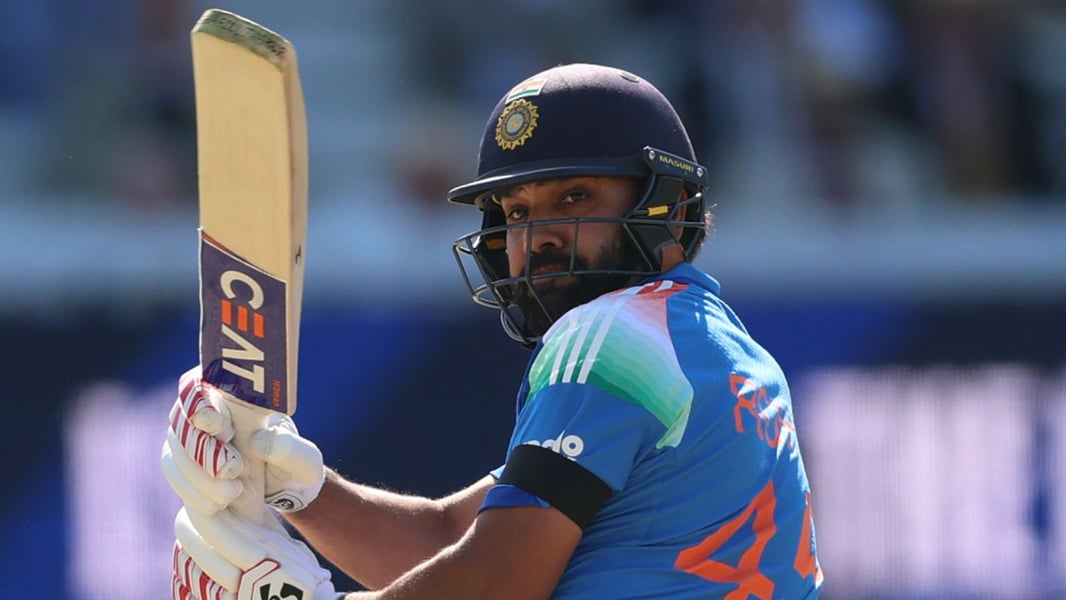
What has shifted more visibly is the world around him. The ODI captaincy passed to Shubman Gill last year as India’s selectors began a deliberate generational transition. India’s 2026 England tour produced a 2-1 ODI series loss and a 4-0 T20I whitewash, confirming that the team India intends to take to the 2027 World Cup is still being shaped. Where Rohit fits in that shape is a question selectors have been reluctant to address directly.
Cricket expert Vimal Kumar, who consulted multiple team management officials after the July speculation, found the internal picture coherent. “Everyone told me that these reports are nothing but media-created rumours,” Kumar said. “Rohit Sharma’s only focus is to win the ICC Cricket World Cup 2027.” Whatever BCCI’s internal deliberations may be, the official line and the dressing-room line appeared, in that account, to be the same.
The Sony deal complicates the arithmetic without resolving it. As Yahoo Sports reported, a six-month entertainment commitment running from September could make it “extremely difficult for Rohit to be available across that packed calendar” of pre-World Cup bilateral ODI series. Whether the filming schedule actually conflicts depends on details neither Sony nor Rohit has disclosed. The BCCI’s denial is categorical; the scheduling question remains open.
What makes the Sony announcement different from the July speculation is the nature of the act. A selection decision is something done to a player. A television deal is something a player chooses. When Rohit agreed to the show, he made a statement about how he intends to spend the next six months of his life, even if that statement was not explicitly about cricket. The retirement conversation that began as a rumour about selector preferences has shifted into something harder to read: a cricketer managing two careers simultaneously, with a World Cup he still intends to be part of at the end of it.
India’s coaching rotation for the Asian Games this week, with Laxman returning while Gambhir stays focused on the West Indies tour, confirmed that team management is already planning against a calendar running well into 2027. Where Rohit sits in that framework, as a guaranteed starter, a rotation option, or something less defined, is a question the Sony deal has made harder to ignore.