
MUMBAI — Vaibhav Sooryavanshi is fifteen years old and has never played a senior international match. He is also, as of Wednesday, the youngest player ever named to any Indian international squad across any format of the game. The selection tells you how seriously the BCCI views Asian Games cricket and how little the board is willing to hold back, even for a tournament in Aichi-Nagoya, Japan.
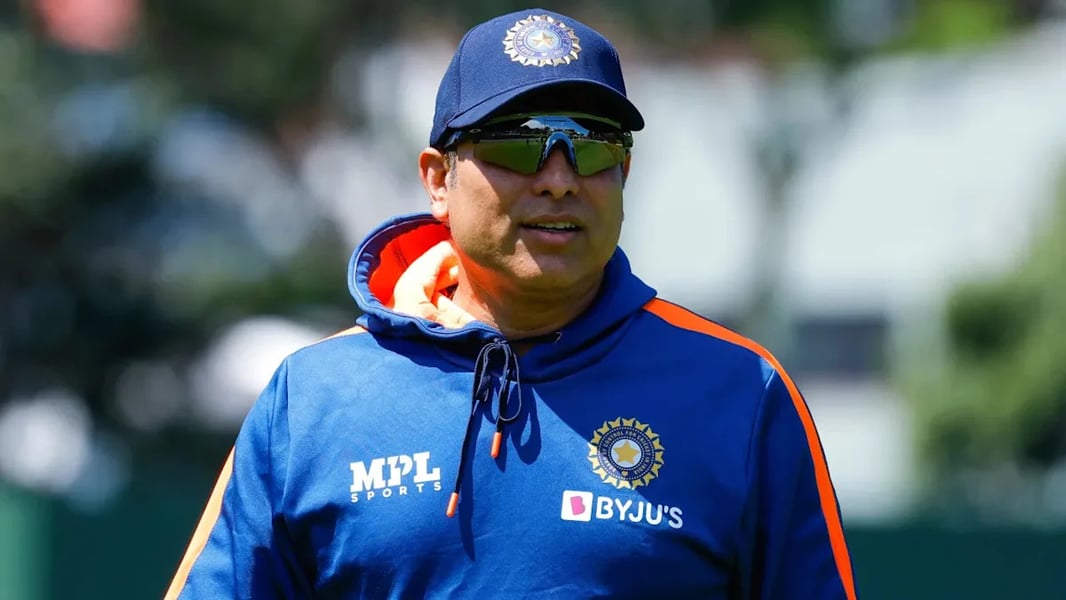
The Board of Control for Cricket in India confirmed that VVS Laxman will return as head coach of India’s Asian Games cricket squad for the Aichi-Nagoya tournament, which begins September 19 and runs to October 4. Gautam Gambhir, India’s permanent head coach, stays home to prepare the senior white-ball squad for a West Indies ODI series beginning September 27. The calendars do not bend, and the scheduling collision familiar to anyone tracking BCCI’s multi-format planning means the man who delivered gold at the 2023 Asian Games in Hangzhou steps back into the role he knows.
Cricket entered the Asian Games programme at Guangzhou in 2010 and has held a prominent place in each edition since. The T20 format, with its concentrated schedule and knockout structure, suits the multi-sport event’s programming. India’s gold at Hangzhou in 2023 was their first, a performance that reframed how the country’s cricketing institutions viewed the tournament. Where earlier editions were treated with a rotation of fringe players, the Aichi-Nagoya squad reflects a deliberate elevation of the event’s status.
Laxman coached that 2023 squad through to the gold medal in China. His current position is director of the BCCI Centre of Excellence. The board’s logic is unambiguous: the coach who won gold once is the right choice to defend it, while the senior programme’s permanent head coach handles bilateral cricket that feeds directly into ICC ranking calculations.
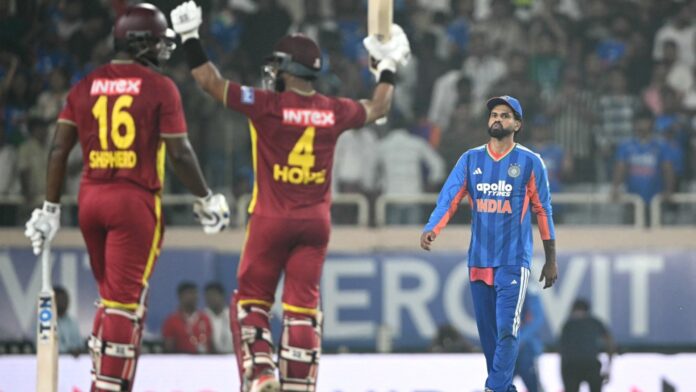
The squad Laxman inherits blends IPL franchise form with credentialed senior experience. Shreyas Iyer captains the men’s side, with Tilak Varma as vice-captain. Jasprit Bumrah’s inclusion in the bowling attack signals the tournament is not a developmental afterthought. A fast bowler of Bumrah’s calibre being released from rest-period management for a regional event in Japan is a statement about how the BCCI now classifies Asian Games cricket. The argument is direct: regional gold in T20 cricket is worth protecting with your best available players. Alongside Bumrah, the pace attack includes Harshit Rana and Arshdeep Singh. The spin options feature Washington Sundar, Axar Patel, Varun Chakravarthy and Ravi Bishnoi. The batting depth runs through Abhishek Sharma, Sanju Samson, Ishan Kishan, Shivam Dube and Nitish Kumar Reddy. The support staff under Laxman comprises Sunil Joshi on bowling, Hrishikesh Kanitkar overseeing batting and Subhadeep Ghosh leading fielding.
None of that dominates the conversation the way Sooryavanshi does. The Rajasthan teenager won the IPL 2026 Orange Cap at fifteen, becoming the leading run-scorer in a competition featuring the best batting talent on the planet. That alone would have made his inclusion plausible. What his selection actually achieves is making him the youngest player ever called into an Indian international squad for any format at any level of the senior programme. Yahoo Sports reported the announcement, which immediately dominated discussion across Indian cricket media, the record standing in context against generations of precocious batting talent the country has produced.
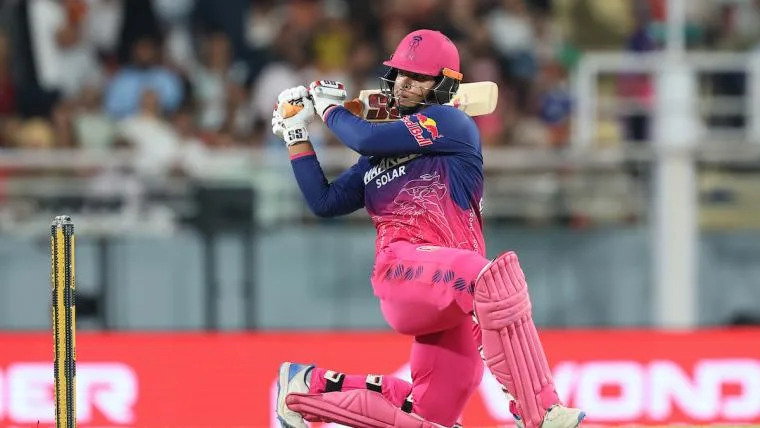
He will be managed carefully. Laxman and Kanitkar will structure his preparation as much as his playing time. The coaches are working with a teenager who has already demonstrated he can dominate franchise cricket but who has never faced the very different pressures of a knockout tournament wearing national colours. The Asian Games format, T20 with group stages and knockouts, offers exactly the kind of structured competitive environment that differs from an IPL chase. Whether Sooryavanshi adapts as naturally to international cricket as he has to franchise cricket is the question the whole tournament is quietly designed to answer. Yahoo Sports reported that his Orange Cap haul, set as the competition’s leading run-scorer at fifteen, reads less like a fluke and more like a precedent the Asian Games squad is being built around.
India’s women’s cricket squad enters Aichi-Nagoya as defending champions, the title carried from Hangzhou. Harmanpreet Kaur captains again, with Amol Muzumdar as head coach. The women are in a strong institutional moment: India secured ICC Women’s Champions Trophy 2027 hosting rights after Sri Lanka was stripped of the event, adding institutional momentum behind the women’s programme. The women’s cricket matches begin alongside the men from September 28.
For Gambhir, staying home is not a demotion by proxy. His West Indies ODI assignment is a bilateral ranking series with direct implications for India’s 2027 tournament seedings. The BCCI has structured Asian Games cricket as a parallel track for several years, a place where the next generation faces genuine competitive examination under a trusted senior coach rather than serving as a consolation posting for players out of form or favour.
India’s cricket schedule through the end of 2026 is compressed even by modern international standards. Bilateral ODI cricket with West Indies runs through October. The Test cycle resumes in November. The infrastructure decisions the BCCI makes now, determining who gets the Asian Games minutes and who stays home, will reverberate into the 2027 Champions Trophy and beyond. The ICC has already been active on the 2027 calendar, moving the WTC Final away from Lord’s to The Oval after Lord’s received its first demerit point in 150 Tests. Sooryavanshi is part of that planning horizon. The Asian Games is his introduction.
The competition at Aichi-Nagoya includes Pakistan, Sri Lanka, Bangladesh and Afghanistan among others, a regional field that has grown more competitive since cricket’s return to the Asian Games in 2014. India enter as the dominant regional power in the T20 format, but a tournament played under knockout pressure on unfamiliar pitches in Japan carries its own variables.
What the Asian Games cannot yet tell anyone is how Sooryavanshi absorbs the experience. He will be the youngest athlete on the cricket squad, carrying the highest expectations per innings of anyone in the group. The selectors watching from Mumbai already know what he produces in a franchise environment. They need to know what he becomes when the shirt has a different logo and the season is not long enough to recover from a run of poor form.
India open their men’s cricket campaign on September 28.