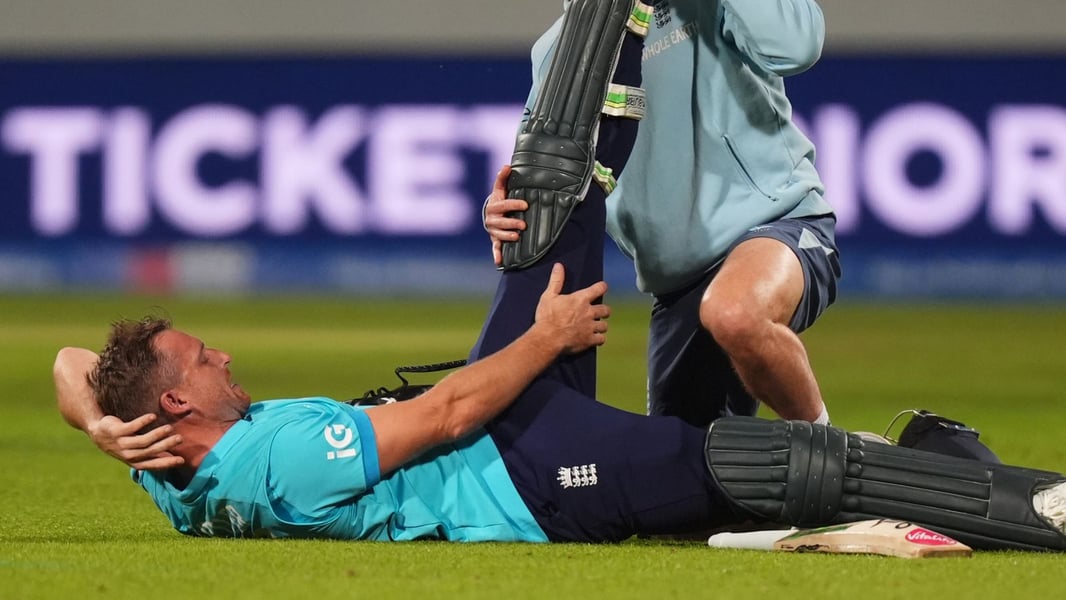

LEEDS — The evening turned on a single moment: Jos Buttler reaching for a drive off the left-arm spin of Dunith Wellalage in the 21st over, feeling something give in his hamstring, and limping toward the boundary. England’s captain was 69 not out. The partnership was 143. The match was effectively over.
Sri Lanka beat England by 16 runs at Headingley on Thursday night in the second ODI of a three-match series now level at one game apiece, with the decider at The Oval on Sunday. Sri Lanka posted 321 for 6 from their 50 overs; England mustered 305 for 9 in reply, brave enough to keep the result uncertain until the 45th over, never quite close enough to win.
The foundation of Sri Lanka’s total was Kusal Mendis, who scored his seventh ODI century in an innings that this series required him to have. His 121 was not a brutal acceleration from the outset but a considered knock that took time, found its range, and then refused to be removed. He pulled the short ball over midwicket, drove through extra cover when the length gave him room, and used Headingley’s generous square boundaries with a settler’s confidence. Kamindu Mendis contributed 54 in the middle order, Pavan Rathnayake 48, Janith Liyanage 32.
England had begun this tour looking capable of containing Sri Lanka’s top order. When Harry Brook’s T20I century against Sri Lanka arrived at Southampton at the start of the summer and the first ODI had delivered an England series lead, the expectations at Headingley were built on England’s ability to post totals above 330 and chase anything below 310. Neither assumption survived the evening. Dilshan Madushanka’s 2 for 54 against Sri Lanka’s batting was creditable but not enough to contain a lineup with three batters capable of 40-plus runs in the middle overs.
England’s reply, for its first 20 overs, was exactly what a 322-run chase requires. Tom Banton was not in the XI because England had run out of options; he was there because the pitch was expected to be flat and his wrists through the off side had earned the chance. He got 73: forceful driving, a pulled six over fine leg in the 14th over, and running between the wickets that matched Buttler’s tempo. The opening stand of 143 came in 20 overs of fast, disciplined cricket. Then Buttler’s hamstring intervened, and Wellalage took the wickets he had been waiting for.
Wellalage finished with 3 for 49. His three dismissals came at moments when England’s partnership needed to become something more, and each time his loop and turn produced the wrong choice. That is what a spinner is asked to do between overs 21 and 35 in an ODI: not to be dramatic, but to be persistent, and to take wickets when batters are chasing a rate that keeps climbing. Wellalage was consistently good enough to take those moments when they arrived.

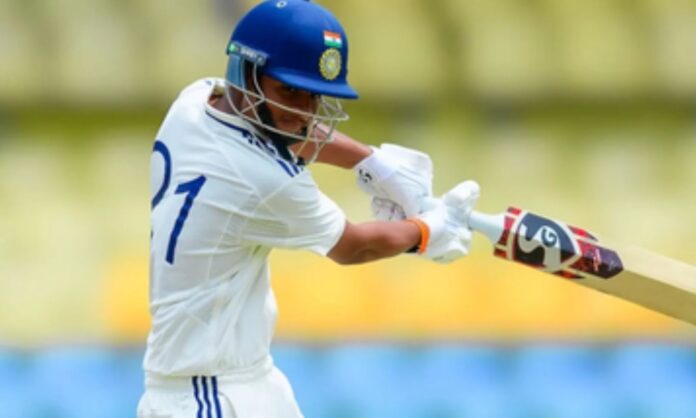
Sri Lanka’s programme has been stretched across formats this month. Their women’s side faced India in Shafali Verma’s record century against Sri Lanka at the Asian Games cricket final in a week when multiple national squads competed simultaneously. Thursday’s result in Leeds is the most prominent men’s cricket win the programme can point to across a September packed with white-ball fixtures at every level.
The question going into Sunday is Buttler’s fitness. He will be assessed in the next 48 hours, and Sky Sports reported he is considered doubtful for the decider at The Oval. England can cover his batting in the order; they cannot replicate his captaincy in the field, his experience reading Wellalage’s angle, or what his presence means to a batting side that came into this series believing it could chase anything below 310.
Sri Lanka travel to London with a clear template: post above 300, use Wellalage in the middle overs, and trust that 16 runs is a wider margin than it felt watching the Headingley close. Kusal Mendis was named Player of the Match. At The Oval on Sunday, Sri Lanka will need his innings again.