
CUPERTINO — For years, asking Siri to do something genuinely complicated felt like a test of patience. Tomorrow, Apple will try to change that.
iOS 27, available Monday as a free update for iPhones going back to the iPhone 11, ships with what the company calls a rebuilt Siri: one that can hold a conversation, remember context from earlier in the day and handle follow-up questions without losing the thread. The feature Apple has spent the most time selling is powered by a trillion-parameter Google AI model.
The partnership, confirmed jointly by Apple and Google in January, marks one of the most striking corporate realignments in the smartphone industry in years. Two companies that spent much of the last decade competing — on maps, browsers and search defaults — have agreed that the future of Siri runs on Google’s infrastructure.
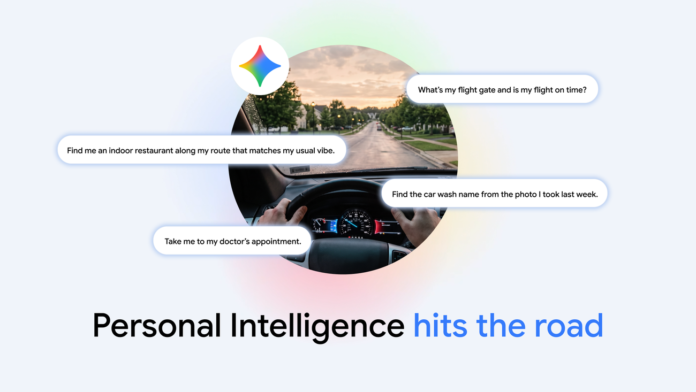
When a user asks Siri a question too complex for Apple’s on-device models to handle locally, the query routes to a custom variant of Google’s Gemini, a model Apple has licensed and reportedly tuned for personal assistant use.
Apple has not published an exact breakdown of when Gemini handles a query versus its own neural engine, which means users have no reliable way to know when their question has left their phone. That transparency gap is not a new concern (cloud AI assistants have always routed requests off-device), but it lands differently when the destination is Google, a company whose core business is collecting information about people.
What Apple has confirmed: simple requests and most on-device tasks stay local. Anything that requires Siri AI’s newer capabilities (multi-step reasoning, personal context drawn from your messages and calendar, conversation history) travels to the cloud.
The practical upside is considerable. Siri AI, as Apple is branding the enhanced assistant, supports text input for users who prefer not to talk out loud, keeps a history of previous conversations, and can ask clarifying follow-up questions rather than defaulting to a web search. A new dedicated Siri app, launching Monday, gives the feature its own space on the home screen for the first time.
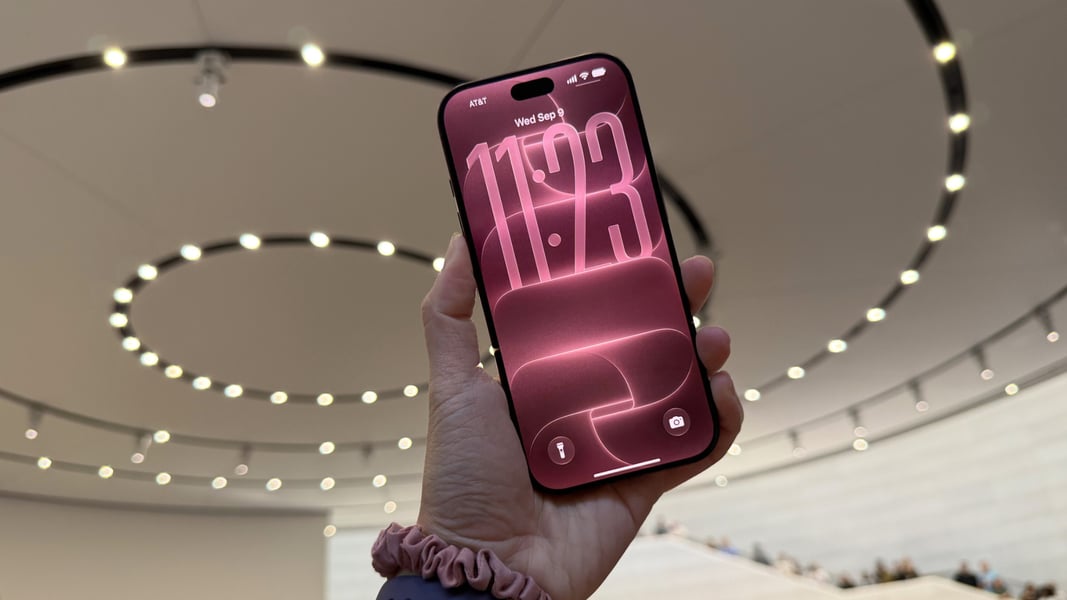
There is a second catch. Apple’s enhanced Siri features carry a monthly price: the full experience requires an iCloud+ subscription, a paywall the company disclosed in CEO Tim Cook’s final earnings call in August. The basic tier starts at $0.99 a month. Critics who had expected Apple Intelligence to ship as a free platform feature have called the paywalling aggressive; Apple’s position is that the cloud infrastructure behind Gemini-powered queries has ongoing costs.
The rest of iOS 27 lands on every compatible device without restriction. Writing Tools, which suggest edits and rewrites in any text field across the system, have been expanded with a tone selector and better multilingual support. Image Playground can now generate images based on photo library references, not just text descriptions. Photos Extend, the most quietly interesting feature in the update, uses AI to extrapolate content beyond the actual edges of a photograph: a tool that will either delight or unsettle users depending on their attachment to what was actually in frame. Spatial Reframe applies a similar principle to perspective, letting users change the apparent angle of a shot after the fact.
ChatGPT remains available in iOS 27 as a separate, user-triggered option when Siri encounters a question it cannot answer. The integration requires explicit user opt-in and is technically independent of the Apple-Google partnership, routing to OpenAI’s servers rather than Gemini’s. Apple continues to describe it as a third-party AI integration rather than a first-party feature, per the company’s newsroom.
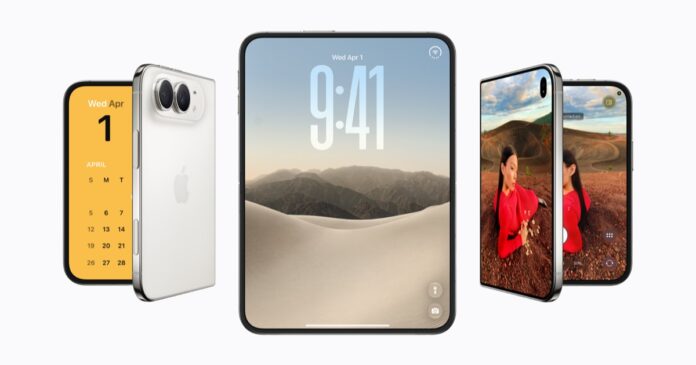
The iOS 27 update arrives the same week Apple’s iPhone Duo foldable begins shipping, a convergence that puts Apple’s AI ambitions at the center of its biggest product moment since the original Apple Intelligence rollout. Whether the Gemini-powered Siri is the breakthrough Apple’s commercials are already promising, or another incremental step dressed up in AI language, is a question that hundreds of millions of users will begin forming an opinion about on Monday.
What Apple has not fully resolved, as iOS 27 ships, is the privacy framing around where personal data actually goes. The company’s privacy marketing has long been a competitive weapon; the Gemini arrangement creates a genuine tension it has addressed with general reassurances about data not being used to train models, but without the granular disclosure users might reasonably expect. Engadget’s hands-on coverage noted that Apple’s privacy disclosures during the event were notably vague on the question of what Gemini specifically retains.
The update is free for all compatible devices, arriving Monday.