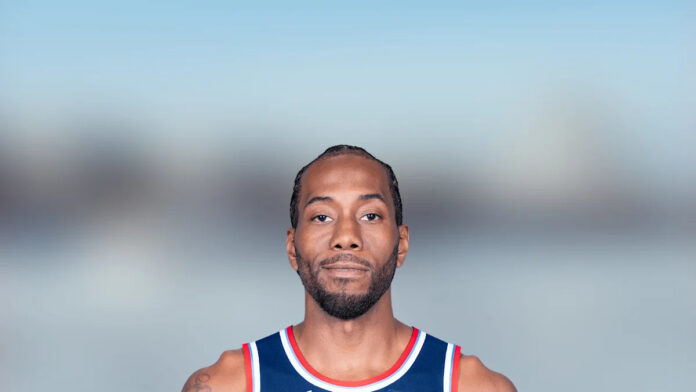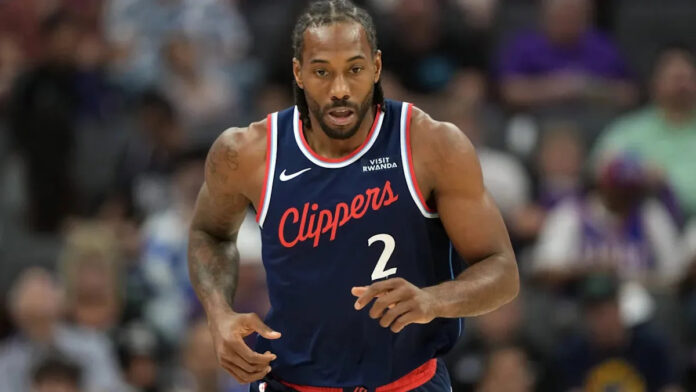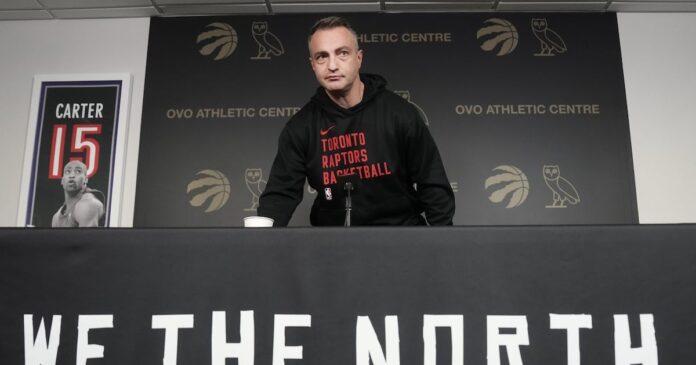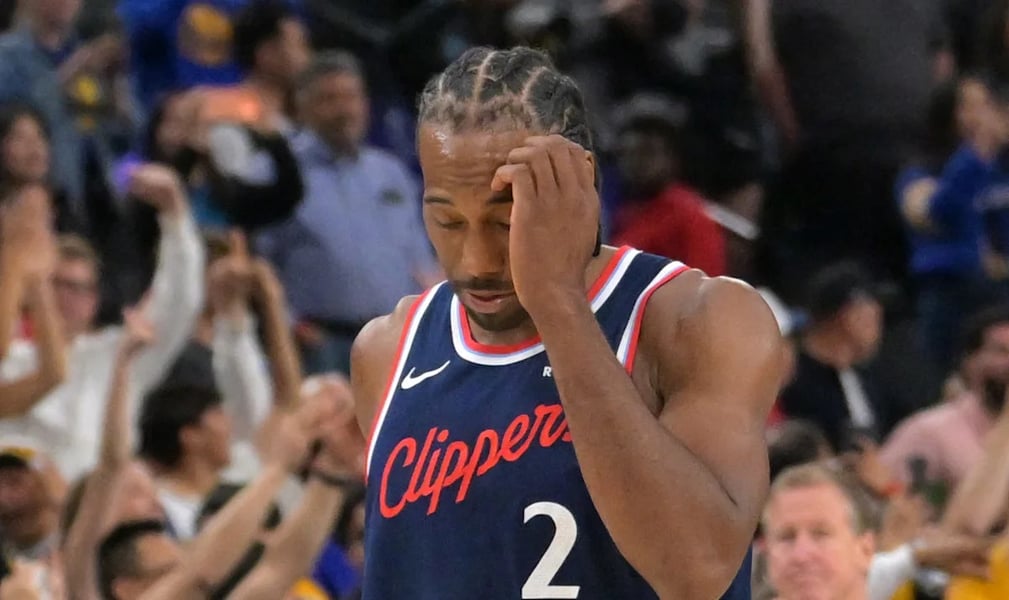

TORONTO — The trade paperwork sits unsigned. Kawhi Leonard remains a Los Angeles Clipper in name, the deal that would return him to Toronto technically alive but functionally frozen, with the Raptors’ media day closing in on September 28 and no indication from inside the Clippers’ organization that authorization is coming.
The holdup is not bureaucratic. It is deliberate, and the reason runs deeper than paperwork. According to reporting by Yahoo Sports, the Clippers are stalling, and at least one faction inside the organization is weighing options that insiders have described only as “something drastic,” a phrase that has set off quiet alarm in Raptors circles and raised genuine questions about whether the trade survives at all.
The backstory runs through two months of league-level chaos. The deal was agreed in late June: Kawhi and Bobby Portis to Toronto in exchange for Brandon Ingram, Gradey Dick, two unprotected first-round picks, a 2027 swap right, and a pair of seconds. It was the kind of transaction that reorders a franchise’s decade. After the NBA cleared the deal to proceed following its investigation, the expectation on both sides was that the paperwork would close quickly.
It has not.
The NBA Board of Governors issued its ruling on September 2. The Clippers absorbed a punishment unlike anything the league has handed down in recent memory: roughly $100 million in fines, the loss of five first-round draft picks, and the suspensions of both owner Steve Ballmer and team president Lawrence Frank. Kawhi, whose role prompted a separate inquiry, was fined $700,000.
On one side: $100 million in fines and five draft-pick penalties. On the other: $700,000. That disparity is where the delay lives, and sources suggest the Clippers are not treating it as settled.

CBS Sports reported that one option the Clippers are weighing is a legal challenge against the NBA itself, a move that would signal the organization’s refusal to accept the punishment structure as final. Whether that constitutes the “drastic” option insiders reference is unclear. What is clear is that Ballmer and Frank, the two executives who would ordinarily authorize a major transaction, are both suspended, leaving interim leadership with no mandate to close a deal that the organization did not unanimously want to close even before the punishment landed.
Marc Stein, the veteran NBA insider, reported this week that Toronto remains eager to finalize the agreement and that Raptors officials have not been given any formal indication the deal is in jeopardy. Eager, though, is not the same as done.
The federal criminal investigation running separately from the NBA’s findings complicates the Clippers’ position in ways approving the trade cannot resolve. The DOJ operates on its own timeline and its own standard of proof. Ballmer and Frank’s suspensions are tied to the league’s conclusions; the federal inquiry runs on, and the organization is navigating both simultaneously.
Kawhi Leonard’s history with Toronto gives the standoff a particular texture. He won a championship with the Raptors in 2019, left that summer in a decision that still sits uncomfortably in parts of the city, and spent the next six years managing a knee that was never quite right.
The narrative of his return was supposed to be clean. It is not. It is now being defined by a scandal to which Leonard is adjacent but did not engineer, and by an organisation that believes it paid a disproportionate price.
Brandon Ingram, who would move to Los Angeles in the proposed exchange, has reportedly been told to prepare for life as a Clipper. The players are waiting on the organisations. Neither franchise can sustain that inversion beyond training camp, which opens in less than two weeks.
Toronto’s alternatives are unattractive. Walking away would mean absorbing a summer spent restructuring around a transaction that never closed: Ingram gone, Leonard absent, and the plan reset midway through the process.
The Raptors organised their offseason around this trade. Reversing course would mean publicly confirming that the return the city spent July anticipating was not coming.
September 28 is not a contractual hard deadline. But it is real in the way that matters most to Toronto: it is the day the franchise faces cameras and has to account for what it is and what it is building. If Kawhi Leonard is not confirmed to be arriving, those questions will drown everything else the team tries to say about its season.
The deal is not dead. Recent reporting suggests it is expected to close before training camps open, a timeline that gives both organizations perhaps ten days to resolve a standoff months in the making. What the Clippers ultimately decide about the NBA’s punishment, whether “something drastic” materializes, and how much of that decision lands on Kawhi Leonard’s return is still the question no one in either market can answer.